
Trace of the Villa and the Quiet Art of Dread
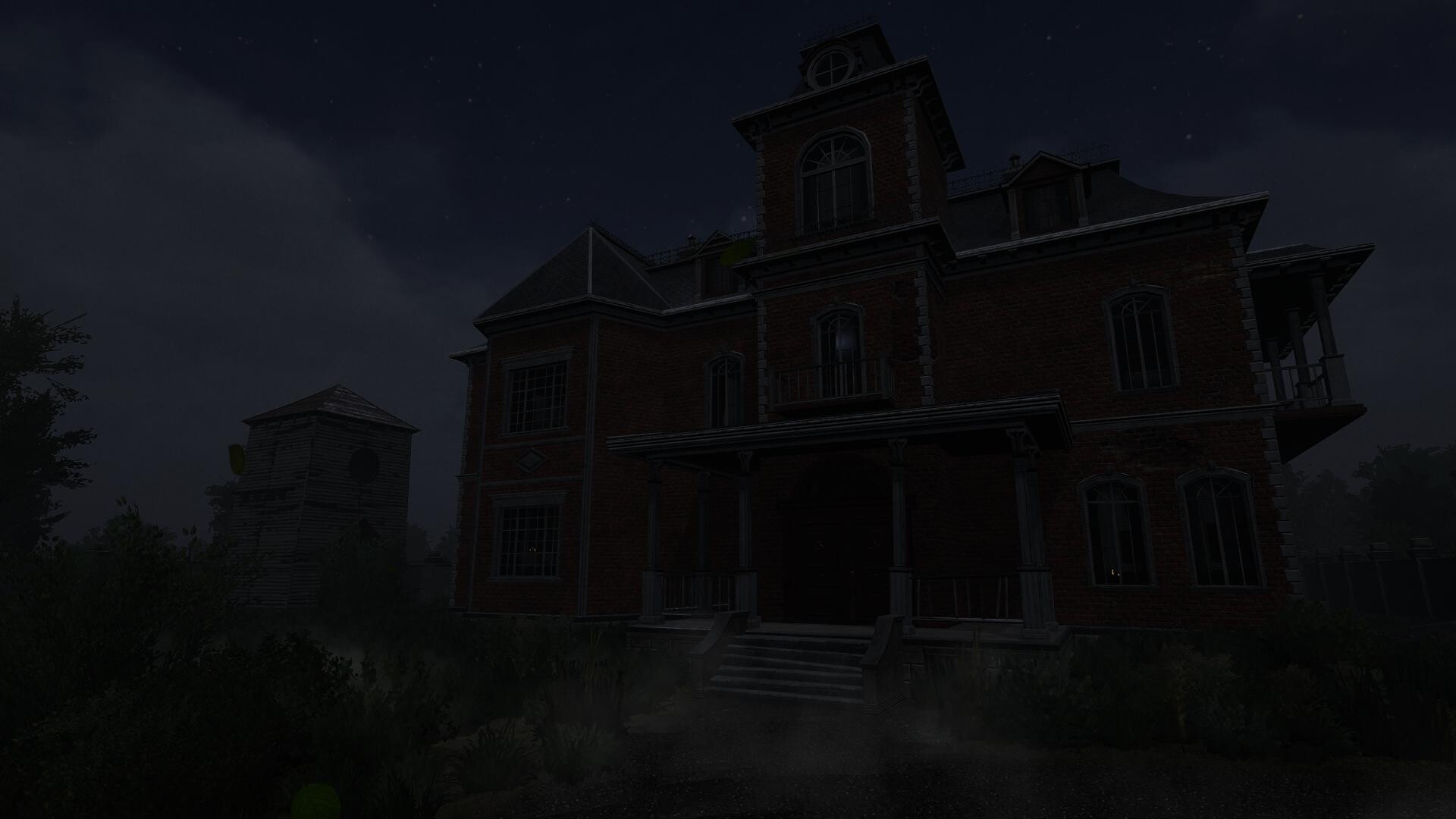
Trace of the Villa trades headline scares for a slow, investigative dread: you play Jin, a man tracing a lead to a remote, decaying mansion after years looking for his missing sister. The game promises environmental storytelling, locked rooms and documents that peel back a deliberate erasure of identity—an experience aimed at players who prefer nagging uncertainty to jump-scare spectacle.

Who is this for?
If you lean toward story-rich adventure and psychological investigation rather than combat-first horror, Trace of the Villa is pitched at you. The Steam tags list Action, Adventure and Indie, but the Steam page and official summary emphasize investigative exploration through an isolated mansion and recovered manifests—appealing to players who enjoy clue-driven exploration, puzzle-led progression, and slow-burn suspense.
What the game is
Trace of the Villa casts you as Jin, following leads that point to a deliberately forgotten estate where manifests and hints suggest his sister may still be alive. The official short description frames the core loop: search, restore systems, and recover fragments of a hidden operation. Expect environmental storytelling, locked doors and documents that unfold a larger mystery rather than set-piece scares.
When and where
Trace of the Villa launched on Steam on 28 May, 2026. It is a PC title listed with developer and publisher Steadyturtle Co., Ltd., and appears on the Steam store with single-player and accessibility-style options in its categories.
Why quiet tension and uncertainty matter more than shock claims
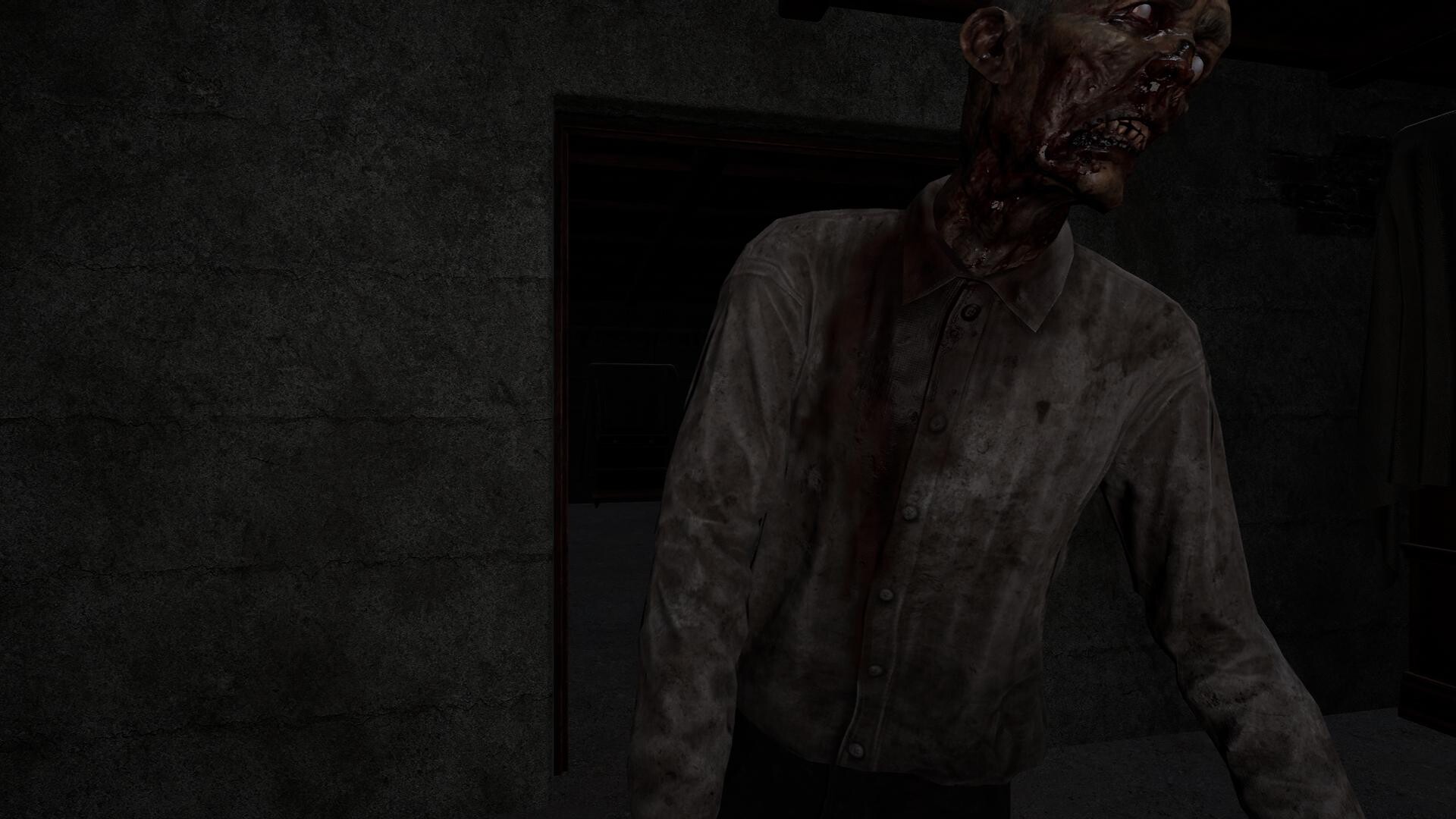
Psychological horror that rests on absence—empty rooms, missing names, falsified records—creates a sustained cognitive itch. A mansion that feels “erased” invites players to fill blanks, to assemble motivations from small, contradictory clues. That process converts passive jump scares into active unease: the player becomes the detective, and every small discovery reframes what silence has already implied. Trace of the Villa centers that sensation: restoring power, unlocking compartments and reading encrypted fragments are design choices that reward patience and interpretation over reflexive fright.
How you read clues and progress
The Steam description highlights a progression model built around restoring systems and uncovering documents. Mechanically, expect puzzle and exploration beats—reconnecting power, opening safes, finding manifests—that sequentially reveal a concealed operation. Because identity and records are missing or falsified, the game relies on piecing together partial evidence: pattern recognition, backtracking through spaces, and linking physical clues to restored data. That style favors players who enjoy narrative puzzle design and layered world-building rather than explicit confrontation.
Quick facts
| Title | Trace of the Villa |
|---|---|
| Release date | 28 May, 2026 |
| Developer / Publisher | Steadyturtle Co., Ltd. |
| Genres | Action, Adventure, Indie |
| Steam categories | Single-player; Color Alternatives; Custom Volume Controls; Playable without Timed Input; Subtitle Options; Family Sharing |
| Store link | Trace of the Villa on Steam |
How it compares to nearby titles
The table below frames Trace of the Villa against a few well-known psychological or atmospheric horror and mystery titles so you can decide fit by preference—focused on genre, tone, puzzle/exploration emphasis and pacing.
| Game | Core focus | Atmosphere | Puzzle / Exploration | Pacing & Tone |
|---|---|---|---|---|
| Trace of the Villa | Investigative mansion mystery | Decaying, erased-identity isolation | Clue-driven, systems restoration, document recovery | Slow-burn, methodical, clue-led |
| Amnesia: The Dark Descent | First-person survival immersion | Claustrophobic, immediate dread | Exploration with survival mechanics | Intense, tension-heavy |
| SOMA | Sci-fi existential horror | Underwater, uncanny atmosphere | Exploration and narrative puzzles | Philosophical, steadily unsettling |
| Layers of Fear (2016) | Psychological mansion narrative | Shifting Victorian, surreal | Environmental puzzles tied to story | Art-driven, hallucinatory pacing |
| Poppy Playtime | Horror puzzle-adventure | Abandoned factory, toy-themed dread | Puzzle tools (e.g., GrabPack) and platforming | Faster-paced, encounter-focused |
Player scenarios — who should wishlist it
- You like environmental storytelling: If you prefer unpacking a narrative from objects and documents, the mansion’s erased histories will be rewarding.
- You enjoy methodical exploration: Players who savor system restoration and staged reveals—restoring power, unlocking safes—will find the pacing satisfying.
- You want psychological tension over jump scares: If the idea of dread that accumulates through absence appeals more than sudden shocks, add it to your watchlist.
- You dislike timed input and accessibility issues: The Steam categories include “Playable without Timed Input” and other options that favor an unhurried investigative approach.
Trailer & gameplay search
Looking for trailers or gameplay? Use this YouTube discovery link to search for Trace of the Villa trailer and gameplay videos: Search Trace of the Villa on YouTube. (Use as a discovery path; specific videos should be verified as official if you need confirmation.)
Please note: referenced titles and trademarks belong to their respective owners; the comparisons above are editorial discovery only and not an endorsement.
Leave a Reply