
Trace of the Villa and the Power of Quiet Dread: Why Uncertainty Matters More Than Loud Shocks
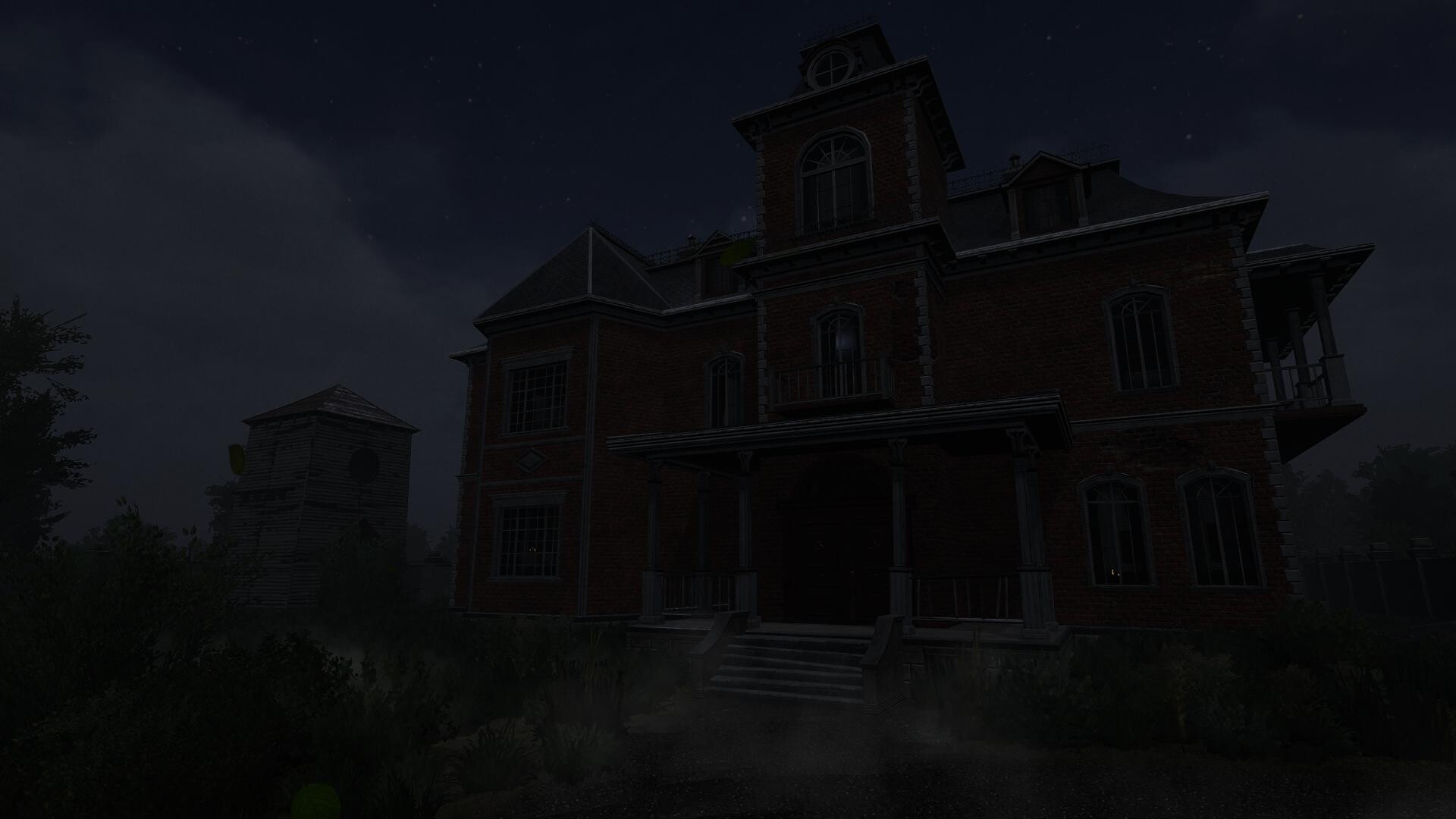
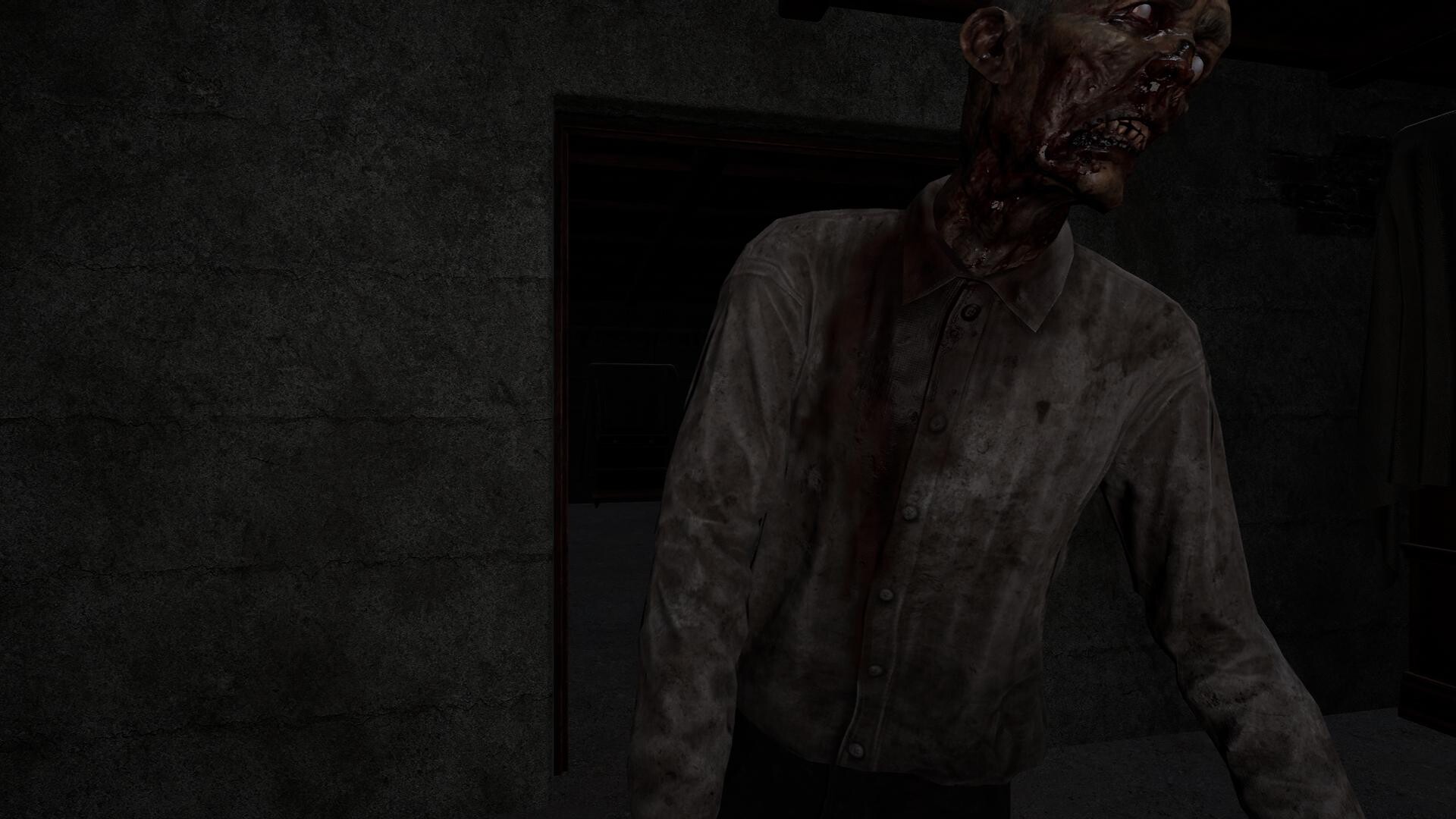
Trace of the Villa trades jump-scare theatrics for slow, accumulating unease: a decaying mansion, missing names, and a protagonist—Jin—trying to piece together what was deliberately erased. If you prefer atmospheric mystery adventure over reflex scares, this is a Steam release worth watching for its clue-driven exploration and environmental storytelling.

What Trace of the Villa is
Trace of the Villa is a story-rich, slow-burn psychological investigation set in a remote, decaying mansion. The official premise: Jin has spent years searching for his missing sister; a lead brings him to a property cut off from the grid where manifests and hints suggest she may still be alive. Inside, the house feels “less abandoned than erased”: rooms left mid-routine, locked doors, personal belongings without names or photographs. When Jin restores power, systems come back online, hidden compartments and safes yield encrypted fragments, and a careful sequence of puzzles uncovers financial trails and falsified identities. The game is listed on Steam as Action / Adventure / Indie and is single-player with options like Color Alternatives, Custom Volume Controls, Playable without Timed Input, Subtitle Options, and Family Sharing.
Who it’s for
- Players who prefer atmospheric mystery adventure and psychological investigation to jump-scare horror.
- Puzzle solvers who enjoy piecing together narrative through environmental clues, manifests, and encrypted documents rather than narrated exposition.
- Explorers who value pacing and mood—those who find tension in an empty hallway and the small detail that implies a larger crime.
- PC players who want accessibility options (subtitles, custom audio) and puzzles that are playable without timed input.
When and where
Trace of the Villa released on Steam on 28 May, 2026. It is developed and published by Steadyturtle Co., Ltd. The Steam page provides screenshots and the store entry for wishlist or purchase.
Why the theme of quiet dread matters
Psychological horror that leans on uncertainty uses different muscles than fast scares. An empty mansion that looks lived-in but has no names or photographs does more than frighten: it creates cognitive dissonance. The mind fills in blanks with possible explanations—criminal conspiracy, institutional erasure, or worse—and that anticipatory tension is sustained across exploration. Trace of the Villa’s described approach—restoring power, unlocking locked systems, and assembling fragments of falsified identities—turns every discovered file or safe into a slow-release reveal. That compounding of unease is emotionally heavier than individual shocks because it asks you to be the detective and to live with unanswered questions between discoveries.
How you play: reading clues and progressing
The Steam description makes the gameplay loop explicit: exploration and investigation reward patience. Restore power to the estate, bring systems back online, access hidden compartments, and solve puzzles that reveal encrypted documents and suspicious transfer records. Each solved puzzle peels back a layer of the mansion’s operation—financial trails, falsified identities, and movements masked behind false paperwork—so progression is more about collecting narrative evidence than chasing timed objectives. The presence of the “Playable without Timed Input” category signals that the experience favors deliberation over twitch responses.
Specific player scenarios
- Nighttime solo sessions: If you like sitting with unease and letting small details accumulate into a theory, Trace of the Villa will reward slow attention to the environment.
- Puzzle-first explorers: Players who enjoy inventory-light, document-driven puzzles and decoding clues to build an investigative timeline will likely appreciate the design emphasis described on the Steam page.
- Accessibility-minded players: With subtitle options and custom volume controls, players who need or prefer those features will find them present in the Steam categories.
- Caution—if you want constant action or loud jump scares, the game’s slow-burn approach may feel measured rather than adrenaline-driven.
Quick facts
| Title | Trace of the Villa |
|---|---|
| Release date | 28 May, 2026 |
| Developer / Publisher | Steadyturtle Co., Ltd. |
| Genres | Action, Adventure, Indie |
| Key categories | Single-player; Color Alternatives; Custom Volume Controls; Playable without Timed Input; Subtitle Options; Family Sharing |
| Protagonist / Premise | Jin, searching for his missing sister; manifests and hints at a remote mansion suggest she may still be alive. |
How Trace of the Villa compares — editorial discovery
Below is a compact editorial comparison on lawful criteria: genre, atmosphere, puzzle focus, exploration style, story tone, and pacing. These comparisons are intended to help readers match personal preferences, not to rank or endorse.
| Title | Release date | Core atmosphere / tone | Puzzle focus | Exploration style | Pacing |
|---|---|---|---|---|---|
| Trace of the Villa | 28 May, 2026 | Quiet, erased identities in a decaying mansionSteam page
View Trace of the Villa on Steam YouTube discoveryFor trailer and gameplay discovery, use YouTube search rather than relying on unverified embeds: Find Trace of the Villa trailer and gameplay searches on YouTube. CommentsMore posts |
Leave a Reply