
Trace of the Villa — an atmosphere-first mystery about a brother following a faint trail
Jin has spent years hunting for his missing sister; a lead brings him to a remote, decaying mansion where recovered manifests and hints suggest she may yet be alive. Trace of the Villa (Steadyturtle Co., Ltd.) frames that missing-person drive as the spine of a slow-burn, clue-driven exploration designed for players who prize character motivation and environmental storytelling over spectacle.

| Title | Trace of the Villa |
| Steam AppID | 3483660 |
| Release date | 28 May, 2026 |
| Developer / Publisher | Steadyturtle Co., Ltd. |
| Genres | Action, Adventure, Indie |
| Key Steam categories | Single-player; Color Alternatives; Custom Volume Controls; Playable without Timed Input; Subtitle Options; Family Sharing |
Who this is for
If you look first for story and character motive—if you want a protagonist whose personal stakes (a missing sister) push the investigation forward—Trace of the Villa is pitched at you. It suits players who prefer narrative puzzle design and atmospheric mystery adventure on PC: people who enjoy following forensic breadcrumbs, restoring systems to reveal secrets, and letting a mood of slow-burn suspense build as details accumulate.
What the game is (official premise)
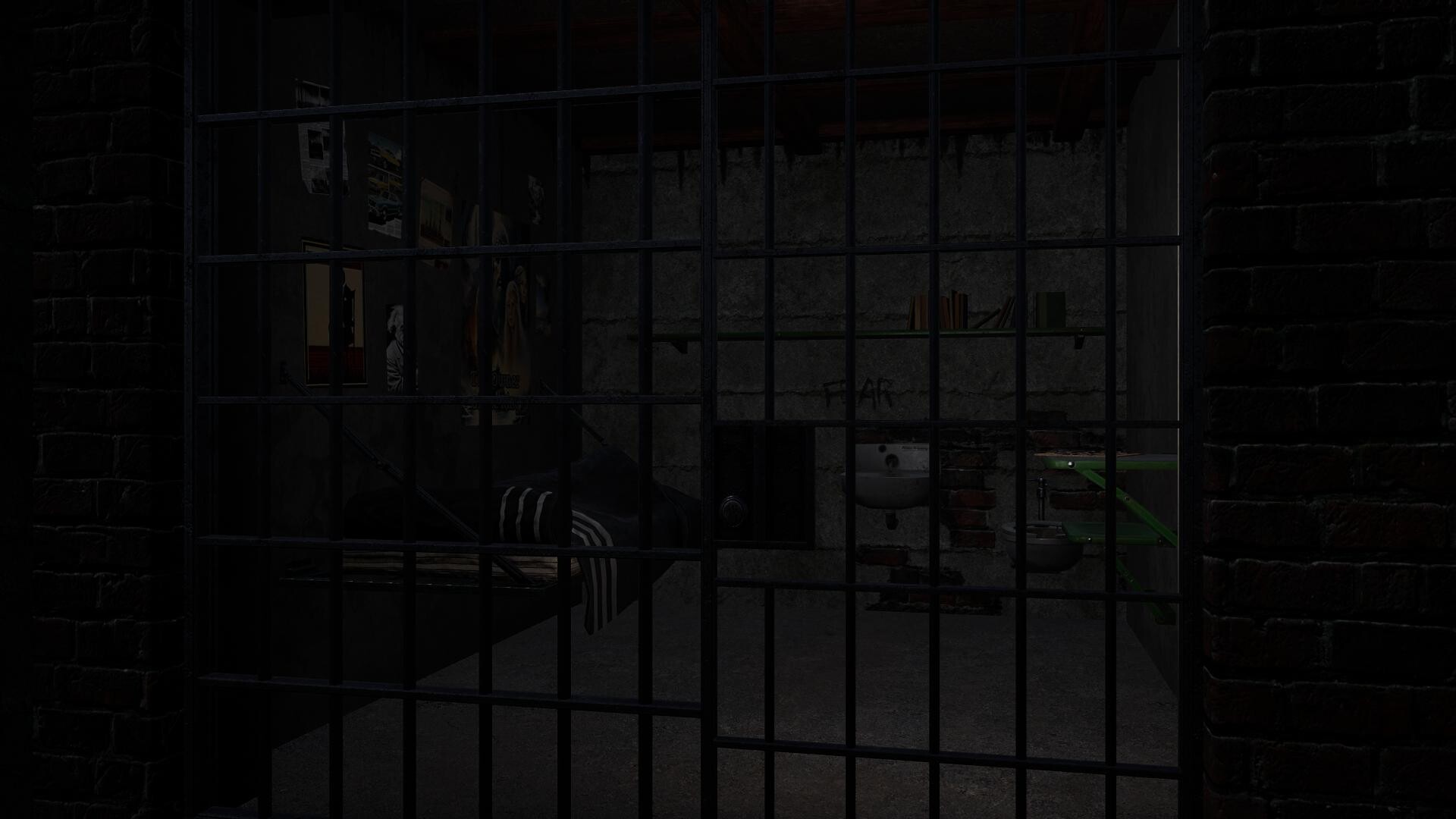
Official Steam copy establishes the premise: Jin has been searching for his missing sister for years. A lead points him to a decaying mansion cut off from the grid; inside, rooms look as if occupants vanished mid-routine. When Jin restores power, secured systems reactivate and hidden compartments, encrypted documents, and suspicious transfer records come to light. The estate reads less like a home and more like a deliberately concealed operation with arrivals and departures masked—setting up a mystery whose stakes are explicitly missing-person and investigative.
When and where
Trace of the Villa released on Steam on 28 May, 2026. The game’s Steam presence lists Steadyturtle Co., Ltd. as both developer and publisher and classifies the title as Action / Adventure / Indie with single-player and accessibility options (color alternatives, subtitle options, custom volume controls, and non-timed inputs).
Why the theme matters: character motivation and missing-person stakes
Many mystery games are concept-driven; Trace of the Villa centers on a personal pursuit. Jin’s search reframes conventional environmental exploration: every recovered manifest, every encrypted fragment, and every returned system carries emotional weight because the investigation is about a real person rather than an abstract secret. That missing-person stake raises the tension of otherwise quiet discovery, making even small clues feel consequential—did someone pass through here with intention, or were identities deliberately erased?
How you progress: reading clues and reconstructing the past
The Steam description outlines the core loop: restore power to the estate, reactivate secured systems, and uncover layers of concealed operation. Progress is propelled by puzzle-solving and evidence-gathering—unlocking hidden compartments, opening safes, and decoding fragments of encrypted documents and manifests. The narrative emerges as you piece together financial trails, falsified identities, and movement records that hint at people passing under strict control. The structure implies a clue-driven, environmental storytelling approach rather than linear cutscenes or action set-pieces.

Player scenarios — who should wishlist this
- You like slow-burn psychological investigation: If you prefer puzzles that reveal character motives and moral ambiguity rather than instant scares, this setup aligns with that appetite.
- You follow personal-stakes mysteries: Players who want narrative weight attached to each discovery—the knowledge that a clue could lead to a person—will feel the tension most acutely.
- You favor environmental storytelling: If reconstructing absent histories from rooms, manifests, and encrypted notes is your preferred way to learn a story, add this to your wishlist.
- You need accessibility and control options: The Steam page lists color alternatives, subtitle options, custom volume controls, and no requirement for timed input—features helpful for methodical, patient players.
How Trace of the Villa compares to nearby titles
Below is a compact editorial comparison to help decide how this game’s strengths differ from other story-rich indie mysteries and atmospheric investigators.
| Title | Primary genre / feel | Puzzle focus | Exploration style | Story tone / pacing | Player fit |
|---|---|---|---|---|---|
| Trace of the Villa | Action / Adventure / Indie — mansion mystery | Clue-driven, system reactivation, encrypted documents | Contained estate; layered reveals from environment | Slow-burn, personal missing-person stakes | Players who value motive-led investigation and atmosphere |
| Inscryption | Adventure / Indie / Strategy — inky card-odyssey | Puzzles integrated into meta-cards and escape-room beats | Focused, mechanic-driven spaces with emergent secrets | Psychological, surreal, metatextual; sharper tonal shifts | Players who like mechanics tied to narrative reveals |
| Outer Wilds | Action / Adventure — open-world cosmic mystery | Environmental and causal puzzles across a sandbox solar system | Open, non-linear exploration across linked locations | Curiosity-driven, slowly unfolding cosmic reveal | Players who enjoy expansive, discovery-first pacing |
| Journey | Adventure / Indie — meditative exploration | Minimalist puzzles; emotional progression via environment | Linear but atmospheric traversal across evocative spaces | Quiet, contemplative, short-session pacing | Players after mood, symbolism, and minimalist storytelling |
| The Forgotten City | Adventure / Indie / RPG — mystery with systemic rules | Logic and narrative puzzles tied to time/causality mechanics | Open-city investigation with repeatable loops | Tactical moral mystery, measured pacing | Players who like choice-driven narrative puzzles |
Leave a Reply