
Trace of the Villa: puzzles as evidence in a slow-burn mansion mystery
Trace of the Villa places you in Jin’s search for a missing sister inside a remote, decaying mansion, where restored systems and recovered manifests turn objects and documents into the game’s primary witnesses. The game leans on clue reading, object logic, and story puzzles to turn each solved safe, unlocked compartment, and decrypted note into persuasive pieces of narrative evidence.

Quick facts
| Title | Trace of the Villa |
|---|---|
| Developer / Publisher | Steadyturtle Co., Ltd. |
| Release date | 28 May, 2026 |
| Steam AppID | 3483660 |
| Genres | Action, Adventure, Indie |
| Categories | Single-player; Color Alternatives; Custom Volume Controls; Playable without Timed Input; Subtitle Options; Family Sharing |
| Official short description | Jin has spent years searching for his missing sister, pursuing leads that took him to a remote, decaying mansion where he recovered manifests and hints that indicate his sister may still be alive. |
Who should wishlist this
Wishlist Trace of the Villa if you prefer atmospheric mystery adventure on PC that privileges environmental storytelling and slow-burn suspense over twitch action. It’s for players who treat puzzles as narrative evidence—those who enjoy reading manifests, reconstructing timelines from fragments, and using object logic to draw inferences about characters and events.
What the game is — the investigative spine
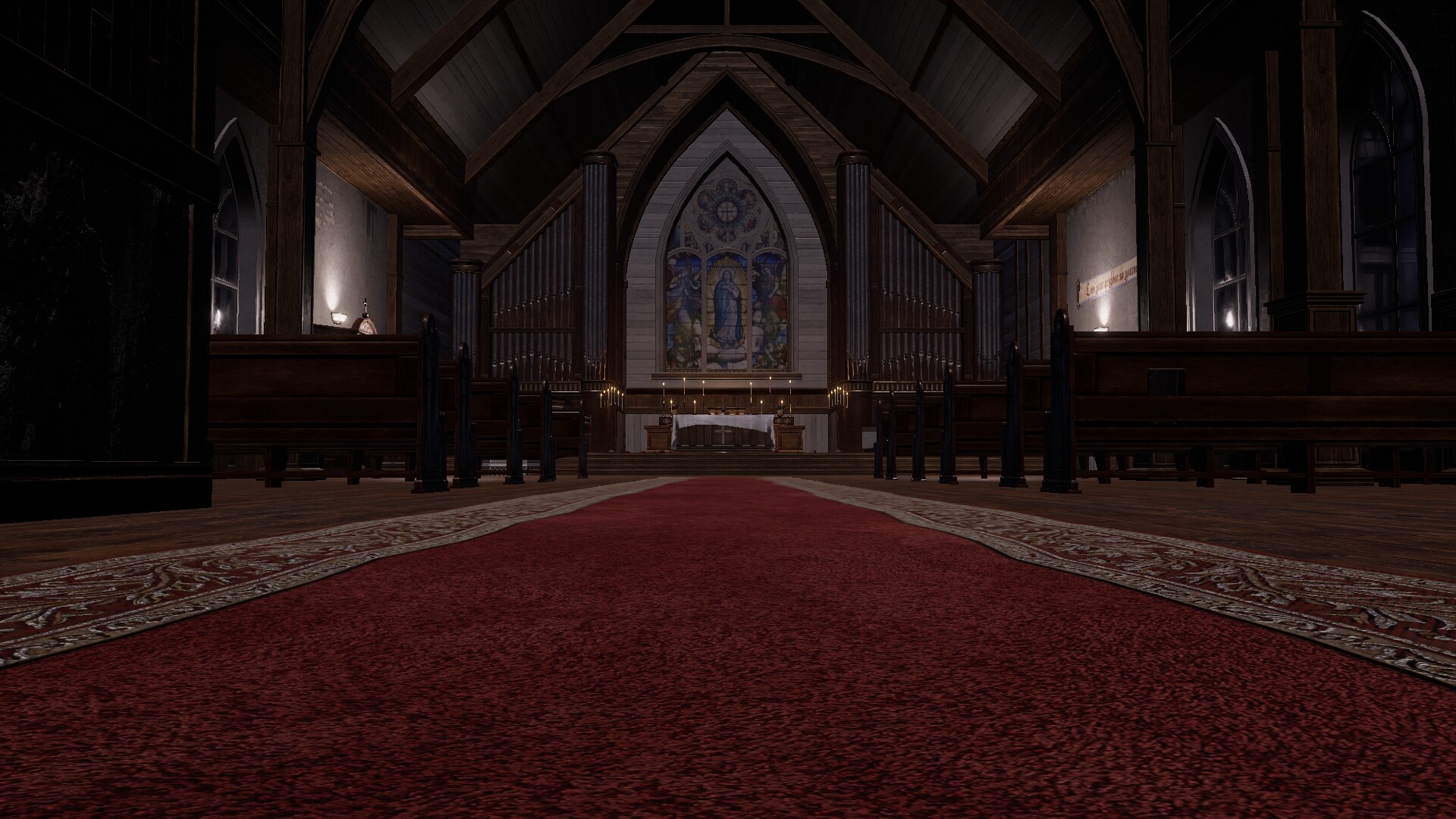
Steam’s official description frames the game as a psychological investigation in a mansion that appears “erased” of ordinary identity markers. Mechanically and narratively, the emphasis is on restoring power and systems, unlocking hidden compartments and safes, and recovering encrypted documents and transfer records. Puzzles serve as both obstacles and forensic tools: solving one reveals another layer of the cover-up that surrounds arrivals without records and departures without witnesses.

When and where
Trace of the Villa released on Steam on 28 May, 2026. It’s listed on Steam as a PC title under Action / Adventure / Indie and is presented as a single-player experience with accessibility and customization options such as color alternatives, custom volume controls, subtitle options, and the ability to play without timed input.
Why the theme matters: puzzles as evidence and narrative logic
Trace of the Villa treats puzzles not just as mechanical gates but as pieces of testimony. When you decrypt a fragment or reactivate a subsystem, you don’t only gain access to the next room—you gain a factual thread to stitch into a timeline. That design choice changes how the player reasons: instead of solving isolated riddles for reward, you build a legalistic case about what happened in the house. This approach foregrounds narrative logic—if A implies B, then a discovered C becomes a disconfirming piece of evidence rather than mere decoration.
How you progress: reading clues and object logic
Progression depends on attentive observation and inference. The game prompts you to restore systems and examine items; the manifests and encrypted documents you recover act like witness statements. Object logic matters: certain items correlate with different rooms and timelines, and the game expects you to form hypotheses from partial evidence. For players who enjoy assembling a story from fingerprints of everyday life—transaction records, safes with fragments, and deliberately erased identities—this is a satisfying loop.
Player scenarios — who will enjoy Trace of the Villa
- For the methodical investigator: You enjoy cataloguing clues and building a timeline from scraps of paperwork and broken systems. Patience and attention to small details are rewarded.
- For the narrative puzzle fan: You prefer puzzles that change the story world when solved—unlocking documents and systems that materially alter what you know about characters and events.
- For the atmosphere-first player: You value slow-burn suspense, mansion mystery aesthetics, and environmental storytelling more than constant combat or rapid pacing.
- Not for you if: You prefer fast-action puzzle loops, competitive multiplayer, or games that prioritize immediate feedback and frequent mechanical novelty.
Comparison: how Trace of the Villa sits among puzzle-driven mysteries
This comparison focuses on genre, atmosphere, puzzle focus, exploration style, story tone, pacing, and the type of player most likely to enjoy each title. These are editorial observations drawn from public descriptions and gameplay framing.
| Title | Genre / Atmosphere | Puzzle focus | Exploration style | Story tone / Pacing | Player fit |
|---|---|---|---|---|---|
| Trace of the Villa | Action / Adventure / Indie — decaying mansion, investigatory, atmospheric mystery | Clue reading, object logic, encrypted documents and manifests as evidence | Slow, room-by-room investigation; system restoration opens new layers | Slow-burn, forensic; narrative pieces reveal a concealed operation | Players who enjoy environmental storytelling and building narrative cases |
| The Room | Adventure / Indie — intimate, mechanical mystery | Mechanical puzzles focused on safes and tactile objects | Contained, single-room to multi-chamber puzzle exploration | Mysterious and tactile; focused puzzle sessions with strong mood | Players who like handcrafted mechanical puzzles and tactile interfaces |
| The Room Two | Adventure / Indie — cryptic, expansive mechanical puzzles | Complex object puzzles and layered mechanisms | Chained rooms and locales with interconnected puzzle devices | Atmospheric, progressive escalation of mystery and challenge | Players who want puzzle complexity tied to atmosphere |
| Escape Simulator | Adventure / Casual / Indie — interactive escape rooms, playful | Highly interactive object puzzles and physics-based solutions | Room-based, highly manipulable environments (solo or co-op) | Varied pacing depending on room; focused on interaction and discovery | Players who like hands-on interaction and community-made rooms |
| Unpacking | Casual / Indie — zen, domestic storytelling | Spatial and contextual puzzles (fitting items, learning backstory) | Box-by-box, room-by-room intimate exploration | Calm, reflective; story emerges from objects and placement | Players who enjoy narrative clues embedded in everyday objects |
YouTube discovery
For trailers and gameplay search results, check YouTube (search link): Trace of the Villa trailer & gameplay — YouTube search. Note: this is a discovery path, not a claim that a specific video is an official release.
Leave a Reply