
Trace of the Villa — why quiet tension and identity erasure matter more than jump scares
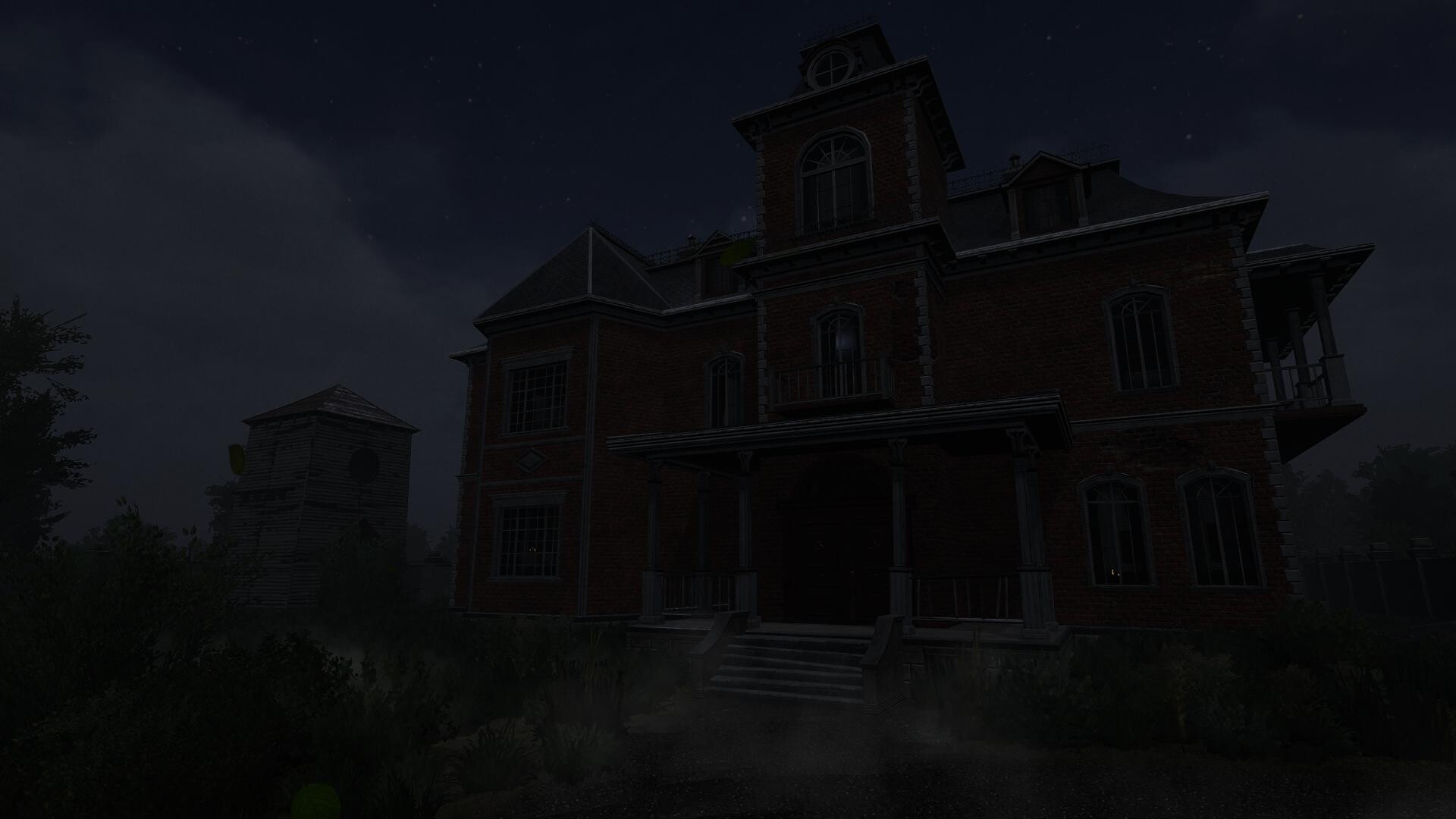
Trace of the Villa is a slow-burn, clue-driven exploration set inside a remote, decaying mansion where Jin searches for his missing sister. Released on Steam on 28 May, 2026 and developed and published by Steadyturtle Co., Ltd., the game trades loud shocks for atmospheric suspense built around unexplained spaces and erased identities.

Who, what, when, where, why, how
Who it is for
Players who prefer atmospheric mystery adventure on PC: those who enjoy environmental storytelling, puzzle-led investigation, and slow-burn psychological tension rather than set-piece jump scares. If you like exploring furnished rooms that feel “less abandoned than erased,” this fits your taste.
What the game is
Trace of the Villa is listed on Steam as Action / Adventure / Indie and presented as a single-player experience where Jin follows a trail to a mansion, recovers manifests and hints, and pieces together evidence that may indicate his sister is still alive. The Steam description stresses rooms that look occupied but lack names, photographs, or history—an atmosphere of identity removal and deliberate forgetting.
When and where
Trace of the Villa launched on Steam on 28 May, 2026, developed and published by Steadyturtle Co., Ltd. It is presented with standard accessibility options on its Steam page (color alternatives, custom volume controls, subtitle options, playable without timed input, and family sharing listed among categories).
Why the theme matters
The game leans into unexplained spaces and identity erasure as its central devices: furnished rooms where occupants “vanished mid-routine,” locked doors, and personal items without names. That absence—photographs and histories removed—creates a uniquely human dread. Rather than startling players with frequent shocks, the game makes uncertainty itself the engine of tension: not knowing who belonged here, why records stop, or whether timelines are trustworthy.
How you progress
Progression is investigative and puzzle-driven. According to the official Steam description, Jin restores power to the estate to trigger systems, unlock hidden compartments, and access encrypted fragments and transfer records. Each solved puzzle reveals another layer of a concealed operation: falsified identities, financial trails with dead ends, and arrivals or departures that lack documentation. The mechanics frame the player as a psychological investigator who assembles a timeline from fragments rather than encountering a linear parade of scripted scares.
Official screenshots

Quick facts: Trace of the Villa
| Title | Trace of the Villa |
|---|---|
| Developer / Publisher | Steadyturtle Co., Ltd. |
| Release date | 28 May, 2026 (Steam) |
| Genres | Action, Adventure, Indie |
| Categories | Single-player; Color Alternatives; Custom Volume Controls; Playable without Timed Input; Subtitle Options; Family Sharing |
| Premise | Jin searches for his missing sister at a remote, decaying mansion; manifests, encrypted documents, and falsified identities surface as the house reveals itself. |
How Trace of the Villa compares (at a glance)
Below is an editorial comparison on lawful criteria: genre, atmosphere, puzzle/exploration emphasis, pacing, and tone. This is discovery-oriented—no endorsements or superiority claims.
| Title | Genre / Core focus | Atmosphere / Tone | Puzzle & exploration | Pacing / Player fit |
|---|---|---|---|---|
| Trace of the Villa | Action / Adventure / Indie | Mansion mystery, identity erasure, quiet dread | Clue-driven: restores systems, unlocks compartments, deciphers documents | Slow-burn; for players who prefer assembling timelines from fragments |
| Amnesia: The Dark Descent | Action / Adventure / Indie | Immersive, nightmare-focused horror | Environmental puzzles supporting survival and immersion | Intense immersion; players who want sustained dread and survival elements |
| SOMA | Action / Adventure / Indie (sci-fi horror) | Existential, claustrophobic (underwater) | Puzzle and narrative investigation tied to sci-fi systems | Measured pacing; players who accept philosophical and cognitive unease |
| Layers of Fear (2016) | Adventure / Indie (psychological horror) | Distorted Victorian mansion; artistic obsession and madness | Exploration with shifting spaces and story-driven puzzles | Variable pacing; players who like surreal, painterly unsettlement |
| Poppy Playtime | Action / Adventure / Indie (horror-puzzle) | Abandoned factory, creepy toys | Puzzle tools (e.g., GrabPack) used to solve environment-based challenges | More overtly puzzle-oriented and set-piece driven; players who want tool-based interactions |
Player scenarios — who should wishlist it
- You enjoy slow-burn suspense: you prefer tension that grows from silence and missing context rather than frequent jump scares.
- You value environmental storytelling: you want to read rooms, manifests, and encrypted fragments to reconstruct events.
- You like investigative pacing: restoring power and unlocking systems to uncover concealed operations appeals to you.
- You’re drawn to psychological themes: the idea of identity erasure and falsified records as narrative drivers is intriguing.
Trailer and further discovery
If you want to see footage or trailers, use this YouTube search path rather than assuming any particular video is official: Search YouTube for Trace of the Villa trailer and gameplay.
Final notes and next steps
If the idea of rooms that feel “erased” and a narrative built from privacy-stripped fragments appeals to you, consider adding Trace of the Villa to your wishlist on Steam. It’s a story-rich adventure that privileges atmospheric suspense and investigative pacing over shock claims.
Leave a Reply