
Trace of the Villa: Why Quiet Dread and Empty Rooms Matter More Than Loud Jumpscares
Trace of the Villa is a slow-burn, clue-driven psychological investigation set inside a deliberately forgotten mansion. Released on 28 May, 2026 by Steadyturtle Co., Ltd., it casts you as Jin — a man searching for his missing sister — who must restore systems, unlock secrets, and read the absences left in a house that seems to have had its identities erased.

Who this is for
Players who prefer atmospheric mystery adventure and psychological investigation over frantic action. If you value environmental storytelling, puzzle-driven exploration, slow-burn suspense and a narrative that leans on absence and implication rather than constant shocks, Trace of the Villa is aimed at you. The Steam page lists the game as Action, Adventure, Indie and marks it Single-player with accessibility options like Color Alternatives, Custom Volume Controls, and Subtitle Options.
What the game is
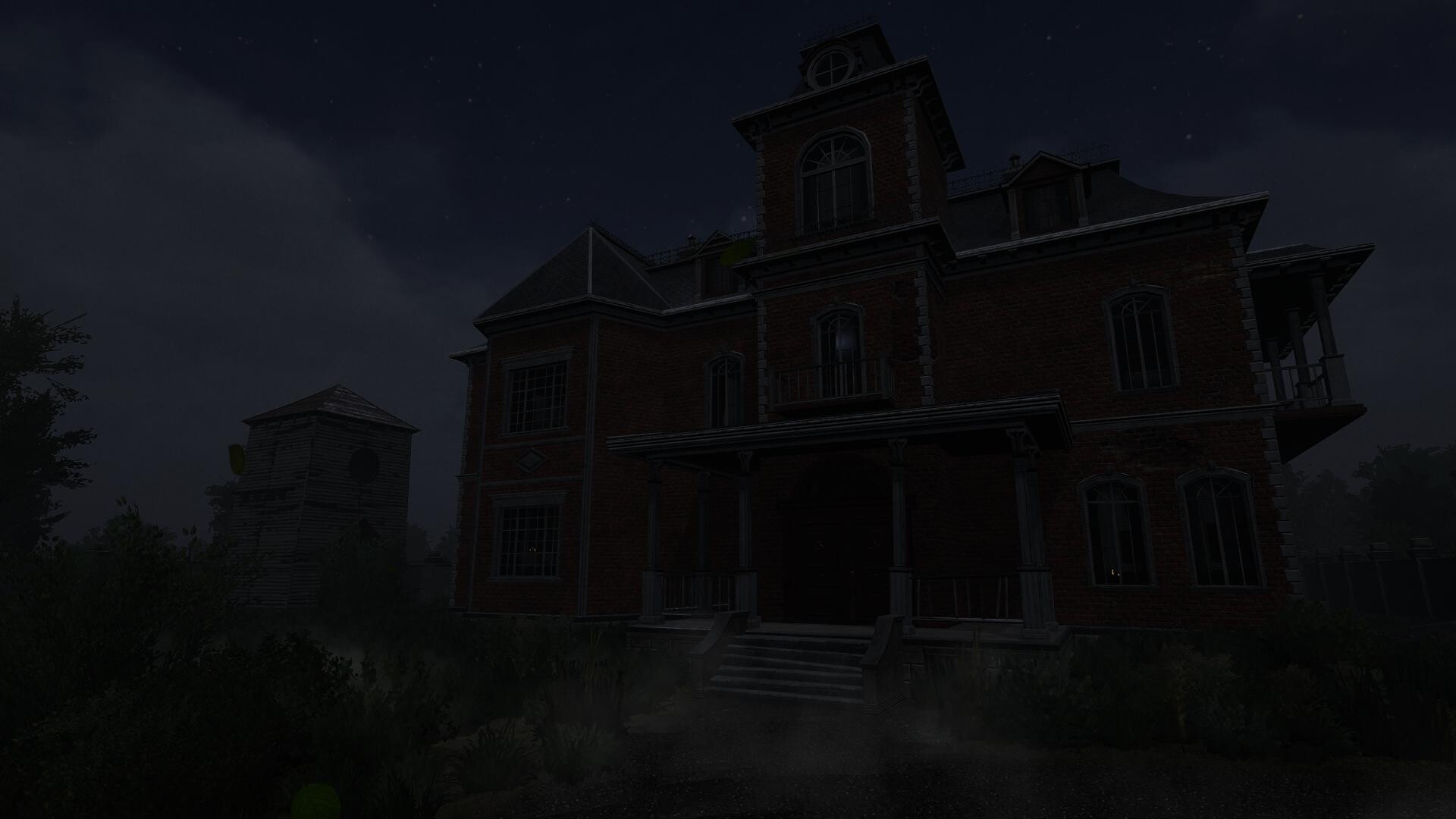
Trace of the Villa positions itself as a story-rich adventure focused on exploration and discovery. According to the official description, Jin follows a lead to a remote, decaying mansion that appears deliberately cut off from the grid. Rooms are furnished as if occupants vanished mid-routine, but personal histories — photographs, names, records — are missing. Players restore power, bring secured systems back online, open hidden compartments, and extract fragments of encrypted documents and suspicious transfer records. The structure implies a progression from isolated exploration toward unspooling an organized, concealed operation.
When and where
Trace of the Villa launched on Steam on 28 May, 2026. The official Steam appid is 3483660 and the title is published and developed by Steadyturtle Co., Ltd. It’s available on the Steam store as a PC indie release; the product page includes the header art and multiple screenshots that emphasize the mansion’s interiors and the game’s muted, decaying aesthetic.
Why quiet tension and uncertainty matter here
Psychological horror that relies on quiet dread leverages expectation and absence. Trace of the Villa’s core conceit — rooms that look lived-in but whose occupants have been erased — converts commonplace domestic cues into sources of unease. Restoring power and unlocking safes are not just mechanical beats: they are ways for the player to coax information out of silence. That design choice forces players to become active interpreters of voids: an empty frame, a ledger with redacted names, a corridor that offers only echoes. Uncertainty sustains attention and makes each small reveal meaningful, which is a different emotional economy to high-frequency jumpscares.
How progression and investigation work (what you do in play)
The official description outlines a progression built around restoring systems and solving environmental puzzles. Players bring power back to the estate, which reactivates secured systems and reveals physical and digital compartments. Safes and locked areas yield fragments of encrypted documents and financial trails; each solved puzzle opens a new factual fragment and an added layer of context. The gameplay loop, as described, is exploration → system restoration → puzzle solving → document fragments → narrative inference. That loop encourages patience and attention to detail rather than reflexive fear responses.
Compact facts — Trace of the Villa
| Title | Trace of the Villa |
|---|---|
| Steam AppID | 3483660 |
| Release date | 28 May, 2026 |
| Developer | Steadyturtle Co., Ltd. |
| Publisher | Steadyturtle Co., Ltd. |
| Genres | Action, Adventure, Indie |
| Categories (select) | Single-player; Color Alternatives; Custom Volume Controls; Playable without Timed Input; Subtitle Options; Family Sharing |
| Short premise | Jin follows leads to a remote, decaying mansion and recovers manifests and hints that his missing sister may still be alive. |

Who should wishlist it — player scenarios
- Investigation-focused players: you enjoy reading documents, piecing timelines, and parsing redactions rather than being chased every few minutes.
- Slow-burn atmosphere fans: you prefer sustained dread produced by environment and implication to loud, repeated shocks.
- Puzzle explorers: you like unlocking concealed compartments, restoring systems, and solving puzzles that reveal narrative fragments.
- Mansion mystery readers: you appreciate domestic details turned uncanny — rooms that suggest lives without revealing identities.
How Trace of the Villa compares to nearby games
Below is a focused comparison using lawful editorial criteria: genre, setting/atmosphere, puzzle emphasis, exploration style, story tone, and pacing. This is an editorial frame to help you decide whether the mansion mystery approach is your preference.
| Title | Genre / Setting | Atmosphere | Puzzle focus | Exploration style | Pacing | Who it suits |
|---|---|---|---|---|---|---|
| Trace of the Villa | Action, Adventure, Indie — decaying mansion | Quiet dread; erased identities; domestic uncanny | Document-driven puzzles; restoring systems; safes and hidden compartments | Methodical, clue-driven room-to-room investigation | Slow-burn, investigative | Players who want narrative inference and environmental storytelling |
| Amnesia: The Dark Descent | Action, Adventure, Indie — classical first-person survival horror | Immersive, oppressive; anxiety from helplessness | Puzzle moments mixed with stealth and survival mechanics | First-person immersion with frequent tension spikes | Intense with breathers between set-pieces | Players who want immersion and survival-driven fear |
| SOMA | Action, Adventure, Indie — sci-fi undersea
Steam pageView Trace of the Villa on Steam YouTube discoveryFor trailer and gameplay discovery, use YouTube search rather than relying on unverified embeds: Find Trace of the Villa trailer and gameplay searches on YouTube. CommentsMore posts |
Leave a Reply