
Trace of the Villa: why quiet dread and an empty mansion beat cheap shocks
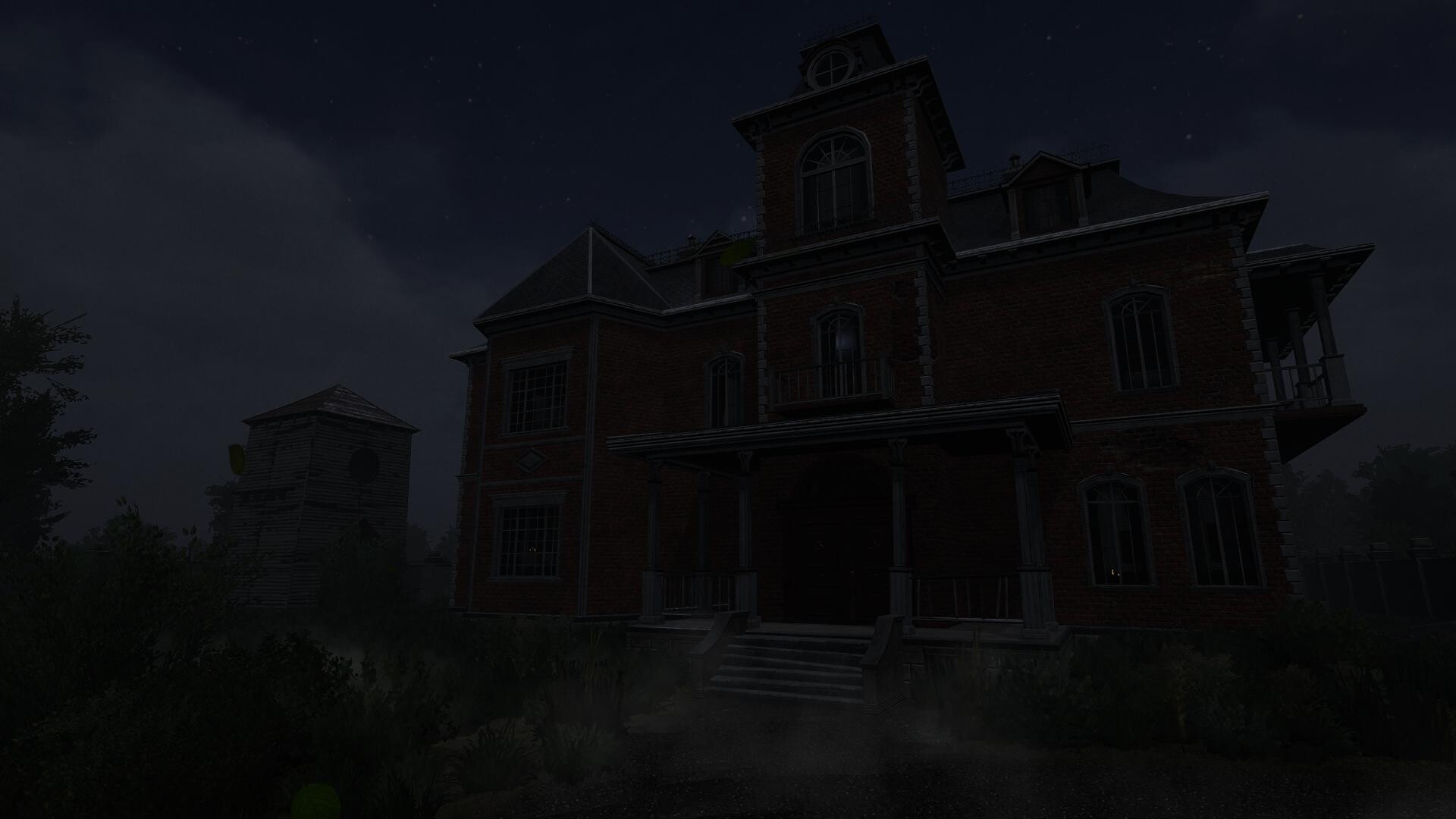
Trace of the Villa (Steadyturtle Co., Ltd., released 28 May, 2026) drops you into a decaying, off-grid mansion as Jin, a man following fragments of a trail that might lead to his missing sister. The game trades loud jump scares for slow, cumulative unease: manifests, locked safes and the house’s restored systems reveal a careful, clue-driven investigation that turns absence into psychological pressure.

Who should wishlist this
- Players who prefer slow-burn suspense and environmental storytelling over loud shocks.
- Fans of narrative puzzle design that rewards careful reading of manifests, encrypted fragments and restored systems.
- Anyone who enjoys investigation-led exploration in a single-player PC mystery/adventure.
What the game is — the essentials
Trace of the Villa is listed on Steam as Action / Adventure / Indie and described as an investigation-driven single-player experience. Official store text positions Jin’s search for his missing sister at the heart of the gameplay: he finds manifests and hints in a remote, decaying mansion that indicate his sister may still be alive somewhere down the trail he’s about to follow.
When and where
Trace of the Villa launched on Steam on 28 May, 2026. It is developed and published by Steadyturtle Co., Ltd. The Steam listing includes accessibility and convenience categories such as Subtitle Options, Custom Volume Controls, and Playable without Timed Input.
Why quiet tension and uncertainty matter
There’s a psychological economy to silence. The mansion in Trace of the Villa is described as “less abandoned than erased”: rooms staged as if occupants vanished mid-routine, personal items left but no photographs or names, and locked doors that hint at deliberately removed identities. That absence becomes active: it forces the player to supply meaning, to fill gaps with suspicion and dread. When a game reveals secrets through recovered manifests, secured systems coming back online, and fragmented documents, the player’s imagination does the heavy lifting — and that sustained anticipation can be more unsettling and memorable than an on-demand jolt.
How you progress — reading the house
The official Steam description outlines the primary investigative loop: Jin restores power to the estate, which brings secured systems back online; hidden compartments and safes yield fragments of encrypted documents and suspicious transfer records; each solved puzzle reveals another layer of concealment. Progress is therefore procedural and interpretive: you reanimate parts of the environment to uncover evidence, then connect those fragments into a timeline that hints at controlled arrivals and departures. The game is best appreciated by players who enjoy combining exploration with piecing together a paper trail rather than reflex-based encounters.

Compact facts — Trace of the Villa
| Title | Trace of the Villa |
|---|---|
| Steam appid | 3483660 |
| Release date | 28 May, 2026 |
| Developer | Steadyturtle Co., Ltd. |
| Publisher | Steadyturtle Co., Ltd. |
| Genres | Action, Adventure, Indie |
| Notable categories | Single-player; Subtitle Options; Custom Volume Controls; Playable without Timed Input; Family Sharing |
Player scenarios — who will get the most out of the mansion
- Quiet investigator: You like to catalogue clues, open locked safes, and follow paper trails. You enjoy the tension of slowly assembling an explanation.
- Atmosphere-first player: You value the mood of a space—the way a furnished, but depopulated room can feel hostile. Sound design and lighting are part of the narrative for you.
- Story-minded puzzler: You prefer puzzles that unlock narrative fragments (manifests, transfer records, encrypted documents) rather than mechanics-heavy action loops.
How Trace of the Villa compares to nearby psychological/mystery titles
Below is a practical editorial comparison on lawful criteria: genre, atmosphere, puzzle focus, exploration style and pacing. These entries use public Steam descriptions and summary notes for context and choice guidance.
| Title | Genre / Focus | Atmosphere | Puzzle / Exploration | Pacing / Tone |
|---|---|---|---|---|
| Trace of the Villa | Action / Adventure / Indie — investigation-led | Decaying, off-grid mansion; staged absence and erased identities | Clue-driven: manifests, encrypted fragments, restored systems | Slow-burn suspense; cumulative unease |
| Amnesia: The Dark Descent | Action / Adventure / Indie | Immersive first-person dread | Exploration and survival-focused puzzles; immersion-based discovery | Claustrophobic, survival-leaning tension (faster dread spikes) |
| SOMA | Action / Adventure / Indie — sci-fi horror | Sub-aquatic, existential and isolating | Exploration with narrative and environmental puzzles | Philosophical, slowly intensifying atmosphere |
| Layers of Fear (2016) | Adventure / Indie — psychological horror | Shifting Victorian mansion; surreal and painterly | Story-led environmental puzzles; reality-bending exploration | Unstable, psychological unraveling |
| Poppy Playtime | Action / Adventure / Indie | Abandoned toy factory with tense set pieces | Puzzle-adventure with tool-based mechanics (e.g., GrabPack) | Higher tempo, threat-driven encounters |
YouTube discovery
If you want to see trailers or gameplay clips, use this YouTube search path (search results may include trailers and player videos): Search Trace of the Villa trailer & gameplay.
Steam store link: Trace of the Villa on Steam
Disclaimer: Referenced titles and trademarks belong to their respective owners. Comparisons here are editorial discovery only and draw on public Steam descriptions and publisher-provided
Leave a Reply