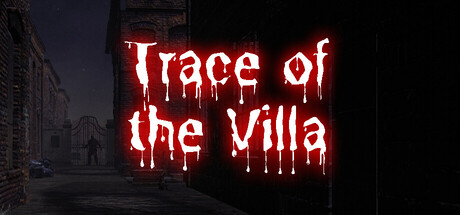
Trace of the Villa and the Power of Quiet Dread
Trace of the Villa asks you to read a house the way a detective reads a witness: not for jump scares, but for the silences between movements. The game leans into slow-burn tension—a decaying mansion, a personal investigation, and the creeping certainty that absence can be engineered as effectively as presence.

What Trace of the Villa is
Trace of the Villa is an Action / Adventure indie game from Steadyturtle Co., Ltd. that centers on Jin, a man following leads to a remote, decaying mansion where manifests and hints suggest his missing sister may still be alive. Released on Steam on 28 May, 2026, the experience positions investigation and environmental storytelling ahead of loud shocks: restoring power, uncovering hidden compartments, and following financial and identity traces are built into the narrative progression.
Who this fits
- Players who prefer story-rich adventure and psychological investigation over frequent jump scares.
- Fans of clue-driven exploration and environmental storytelling—those who enjoy piecing together motive and history from small, staged details.
- PC players looking for an indie title on Steam that balances slow-burn suspense with puzzle and exploration mechanics.
When and where
Trace of the Villa launched on Steam on 28 May, 2026. It is presented on the Steam store with official assets and standard Steam categories and accessibility options; the store entry lists developer and publisher as Steadyturtle Co., Ltd.
Why quiet tension and uncertainty matter
Psychological horror often works on two temporal axes: immediate threat and lingering doubt. Trace of the Villa foregrounds the latter. When a space looks inhabited but deliberately unrecorded—furnishings in place but names and photographs removed—that ambiguity converts ordinary domestic objects into evidence. The mind fills the blanks, and that act of filling is what the game exploits: the player’s imagination becomes the engine of dread.
How you play and progress
The Steam description makes the process explicit: as Jin restores power to the estate, systems and safes come back online and hidden compartments unlock. Progress is earned by reading documents, piecing together encrypted fragments and suspicious transfer records, and assembling a timeline from sealed traces. That approach sets up a loop of exploration → discovery → interpretation, where new information reframes previously visited rooms.
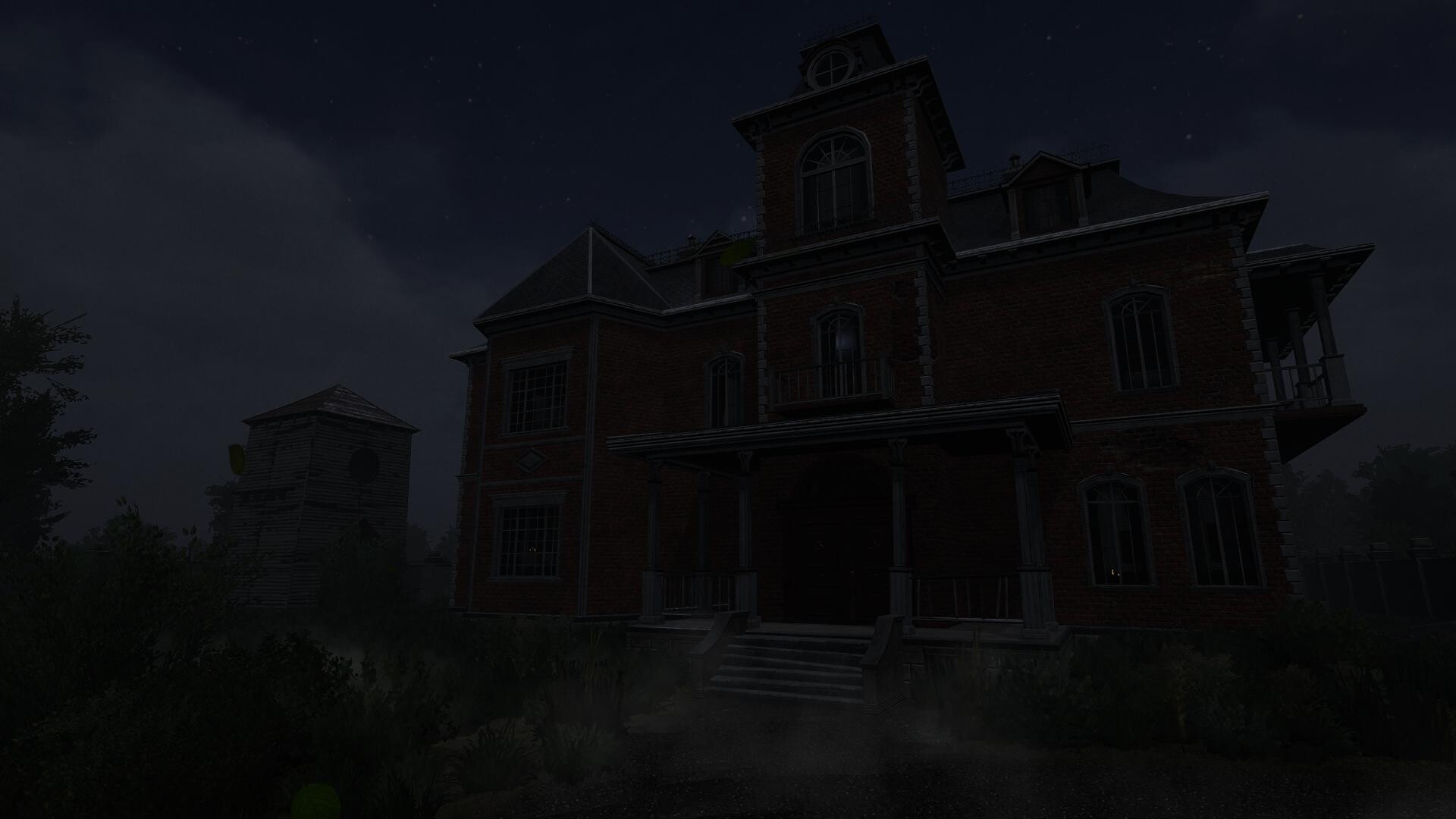

Compact facts: Trace of the Villa
| Title | Trace of the Villa |
|---|---|
| Release date | 28 May, 2026 |
| Developer / Publisher | Steadyturtle Co., Ltd. |
| Genres | Action, Adventure, Indie |
| Steam categories / features | Single-player; Color Alternatives; Custom Volume Controls; Playable without Timed Input; Subtitle Options; Family Sharing |
| Official short description | Jin has spent years searching for his missing sister, pursuing leads that took him to a remote, decaying mansion where he recovered manifests and hints that indicate his sister may still be alive, somewhere at the end of the trail he is about to follow. |
| Store link | Trace of the Villa on Steam |
How it compares — quiet dread vs other psychological/horror entries
Below is a focused editorial comparison on atmosphere, puzzle focus, and player fit. This is a discovery-oriented snapshot, not a ranking.
| Title | Primary genre / feel | Puzzle vs survival focus | Exploration style | Pacing & threat model | Good for players who… |
|---|---|---|---|---|---|
| Trace of the Villa | Action / Adventure; atmospheric mystery adventure | Clue-driven puzzles, document and system-based discovery | Room-by-room, investigative mansion exploration | Slow-burn, tension built through uncertainty and revelations | Prefer narrative puzzle design, environmental storytelling, slow-burn suspense |
| Amnesia: The Dark Descent | Action / Adventure; immersive survival horror | Mix of puzzle and sanity-management mechanics | First-person, contiguous world with emergent fear scenarios | Steady threat with periods of helplessness and high-intensity scares | Players who want immersion and visceral dread with resource/tension management |
| SOMA | Action / Adventure; sci-fi psychological horror | Puzzle-led narrative with existential themes | Exploration of confined, atmospheric facilities | Gradual revelations that shift philosophical stakes rather than constant shocks | Players who favor thought-provoking horror and story-driven puzzles |
| Layers of Fear (2016) | Adventure; psychological mansion horror | Light puzzle elements embedded in a shifting environment | Surreal, ever-changing Victorian mansion exploration | Psychological tension through environment changes and disorientation | Those who like surreal storytelling and changing architecture as a core device |
| Poppy Playtime | Action / Adventure; puzzle-horror | Puzzle mechanics (GrabPack) blended with chase sequences | Structured facility/factory exploration with set-piece encounters | Faster pacing with direct threats and occasional high-intensity moments | Players who want a blend of gear-based puzzles and episodic scares |
Leave a Reply