Trace of the Villa — How clue reading, object logic, and story puzzles shape a slow-burn mansion mystery
Trace of the Villa puts you in the shoes of Jin, a lone investigator piecing together manifests, locked safes, and systems brought back online inside a decaying mansion — each solved puzzle revealing another layer of a concealed operation. If you care about environmental storytelling, careful clue-reading, and narrative-first puzzle design, this Steam release (28 May, 2026) is explicitly pitched at players who prefer investigation over twitch reflexes.

Quick facts
| Title | Trace of the Villa |
|---|---|
| Release date | 28 May, 2026 |
| Developer | Steadyturtle Co., Ltd. |
| Publisher | Steadyturtle Co., Ltd. |
| Genres | Action, Adventure, Indie |
| Categories | Single-player; Color Alternatives; Custom Volume Controls; Playable without Timed Input; Subtitle Options; Family Sharing |
| Steam app | https://store.steampowered.com/app/3483660/Trace_of_the_Villa/ |
Who is this for?
Trace of the Villa is aimed at single-player PC players who enjoy investigative, story-driven puzzle adventures rather than fast-action gameplay. The Steam page lists accessibility-friendly categories — for example, it is playable without timed input and offers subtitle options and color alternatives — which makes it suitable for players who prefer a thoughtful pace and careful reading of environments and texts.
What is the game?
Officially described on Steam as: “Jin has spent years searching for his missing sister, pursuing leads that took him to a remote, decaying mansion where he recovered manifests and hints that indicate his sister may still be alive, somewhere at the end of the trail he is about to follow.” Inside the estate, restoring power and opening safes reveals encrypted documents, suspicious transfers, and falsified identities — puzzle beats that are explicitly tied to the narrative investigation rather than abstract brainteasers.
When and where can you play it?
Trace of the Villa launched on Steam on 28 May, 2026. It’s distributed by the developer/publisher Steadyturtle Co., Ltd. and appears on the Steam store as a PC-focused indie adventure (see the Steam link and widget at the bottom of the article).
Why this kind of theme matters
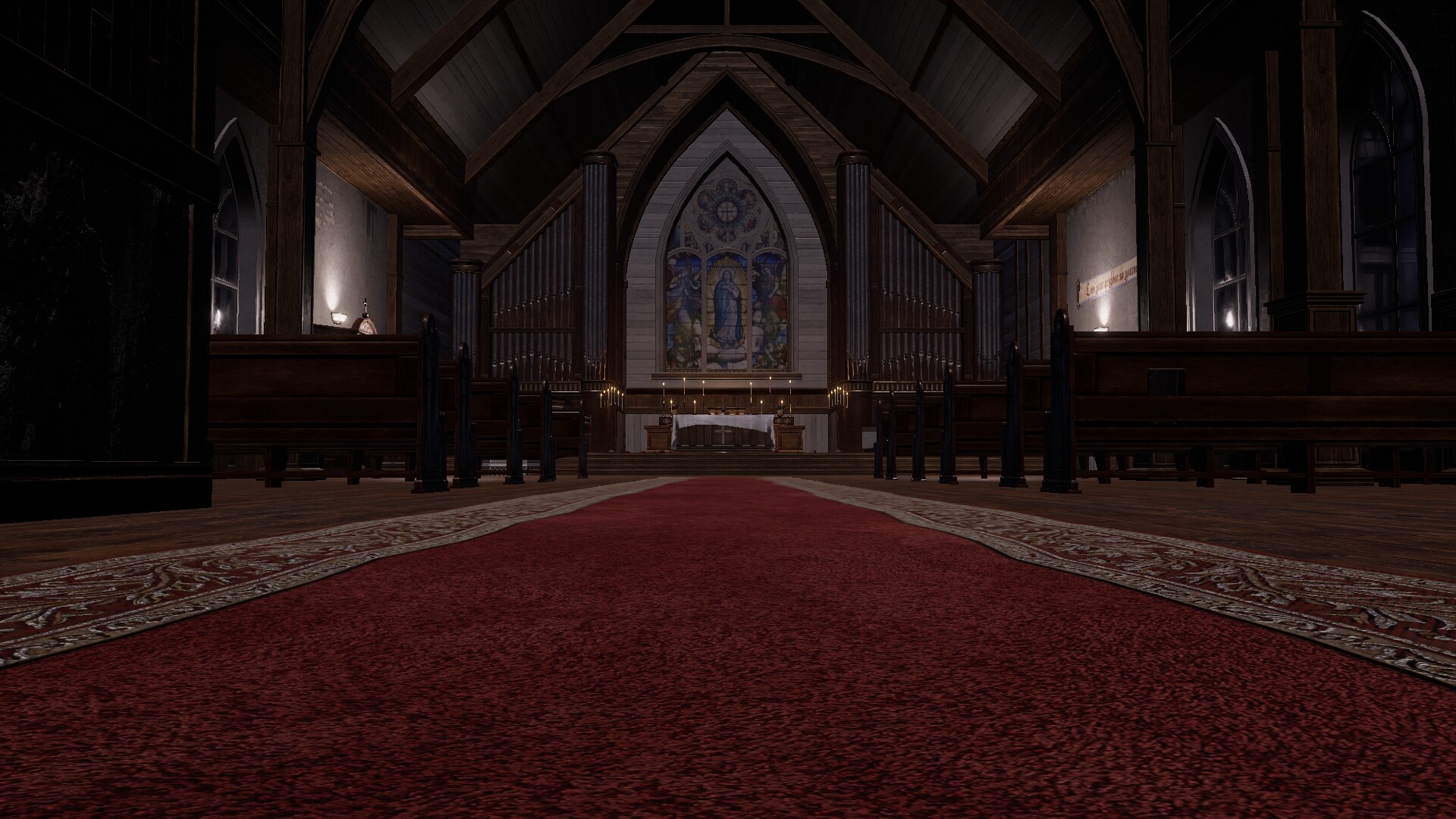
The mansion-as-evidence box is an effective structure for narrative puzzle adventures because it bundles environmental clues, object logic, and fragmented documents into a single, coherent investigative arc. In Trace of the Villa that structure is used to turn mechanical puzzle solving — restoring electricity, unlocking compartments, decoding documents — into incremental revelations about an operation that erased identities. That makes clue reading feel consequential: every safe opened or system reactivated is both a gameplay reward and a narrative beat.
How you progress — clue reading, object logic, and story puzzles
The official description makes the progression loop clear: find manifests and hints, restore systems, open secured areas, and piece fragmented documents together. That implies three tightly interwoven puzzle patterns:
- Clue reading: manifests, transfer records, and encrypted fragments act as primary evidence. Players who annotate details and cross-reference items will be able to follow the timeline the game cooks up.
- Object logic: physical tasks such as restoring power, unlocking safes, and accessing hidden compartments rely on inventory and environmental interaction rather than timed dexterity — consistent with the “Playable without Timed Input” category.
- Story puzzles: solving mechanical or logic challenges advances the plot directly by revealing new documents or systems, so puzzles are narrative conduits rather than standalone obstacles.
If you prefer extracting meaning from notes, connecting disparate hints, and using itemized evidence to reconstruct events, that is the loop Trace of the Villa is designed around.
Player scenarios — who should wishlist it (and who should wait)
- Wishlist if you: enjoy slow-burn, atmospheric mystery adventures where documents, manifests, and environmental detail drive the story; prefer single-player investigative pacing and puzzles that unlock narrative information; value subtitle options and non-timed puzzle design.
- Consider waiting if you: want a heavy action focus or multiplayer features — Trace of the Villa is listed as single-player — or prefer puzzle games organized around tight mechanical systems or physics-based interactivity rather than document-led investigation.
- Good match for accessibility-minded players: the Steam categories include color alternatives, custom volume controls, subtitle options, and the absence of timed input, making this a viable pick for players who need configurable presentation and pacing.
How it compares to nearby mystery/puzzle games
Below is a focused editorial comparison highlighting genre, puzzle emphasis, atmosphere, exploration style, and the kind of player likely to enjoy each title.
| Title | Genre | Puzzle focus | Atmosphere & story tone | Exploration style | Best fit |
|---|---|---|---|---|---|
| Trace of the Villa | Action / Adventure / Indie | Clue-reading, object logic, narrative-linked puzzles | Decaying mansion, psychological investigation, slow-burn suspense | Environmental, document-driven, system restoration | Players who like story-first investigation and careful evidence-gathering |
| The Room | Adventure / Indie | Mechanical puzzle boxes and tactile contraptions | Mysterious, intimate, puzzle-box horror | Focused, single-location puzzle exploration | Players who enjoy tactile, contraption-based puzzles |
| The Room Two | Adventure / Indie | Layered mechanical puzzles with a narrative thread | Cryptic and eerie, escalating mystery | Multi-location puzzle sequences with strong set pieces | Fans of atmospheric puzzle progression with increasing complexity |
| Escape Simulator | Adventure / Simulation / Indie | Highly interactive escape-room mechanics (object interaction) | Varied tones — designed around room design rather than sustained narrative | Room-by-room, physics and interaction heavy; solo or co-op | Players who want highly interactive object puzzles and community rooms |
| Unpacking | Casual / Indie / Simulation | Spatial, placement puzzles tied to narrative through possessions | Zen, intimate, slice-of-life storytelling via objects | Room-by-room, object-focused, non-threatening | Players who like narrative revealed through everyday items and calm gameplay |
Leave a Reply