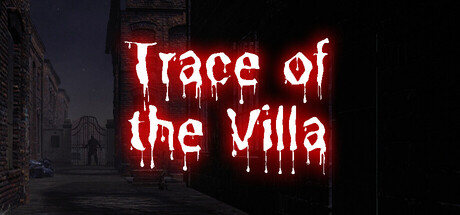
Trace of the Villa: why silence, space and unsettling rooms do more work than cheap shocks
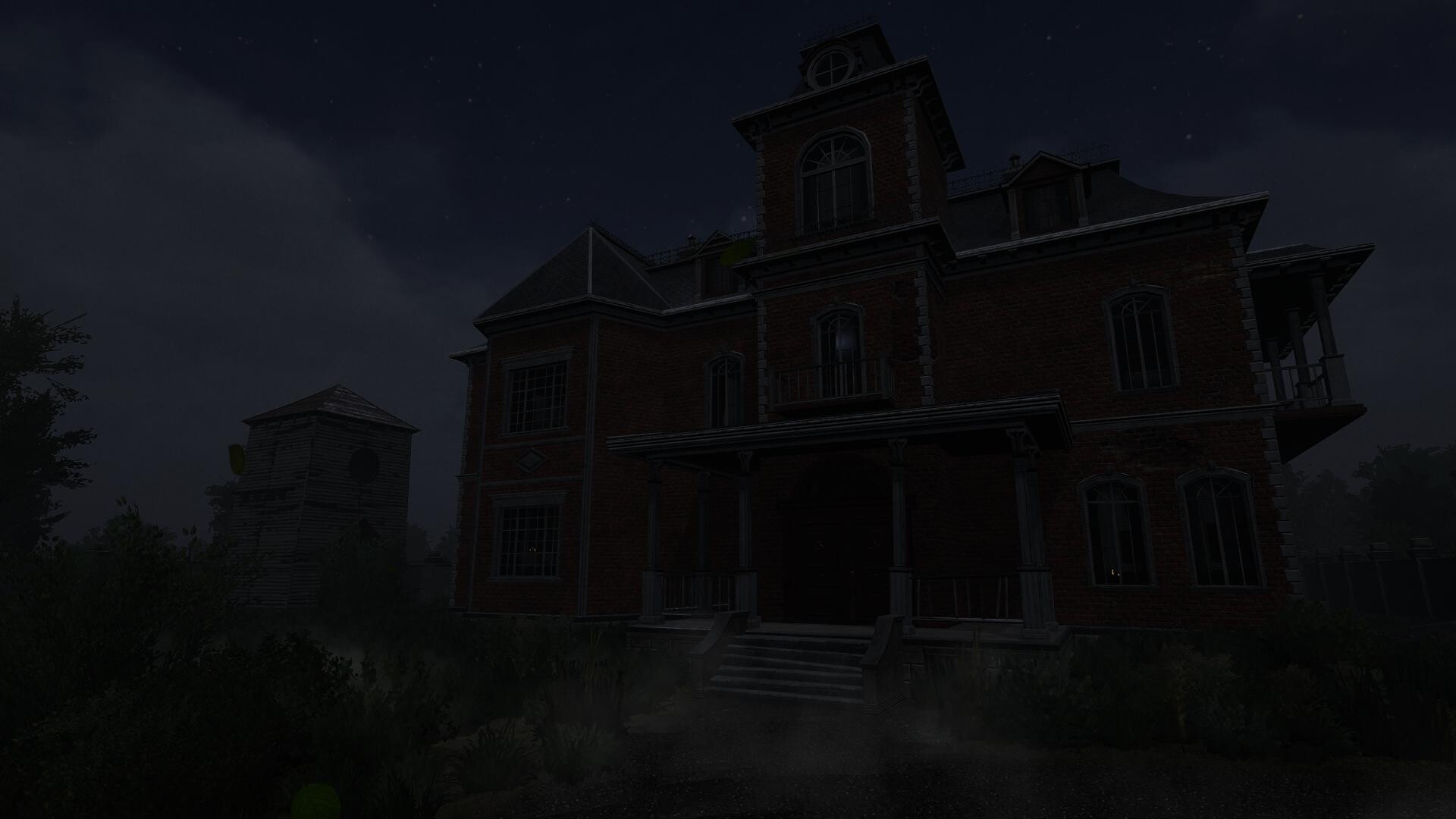
Trace of the Villa (Steadyturtle Co., Ltd., released 28 May, 2026) doesn’t advertise jump scares — it sells the slow erosion of certainty. In a decaying mansion where rooms look lived-in but identities have been scrubbed, the game uses environmental dread, hush, and oblique design to make ordinary spaces feel wrong.

Who this is for
If you prefer slow-burn suspense, investigative pacing, and atmospheric mystery over reactive jump scares, Trace of the Villa fits. It’s for players who like clue-driven exploration and environmental storytelling — people who read manifests, rewire power, and piece timelines together room by room. It will appeal to fans of story-rich adventure and psychological investigation on PC/Steam rather than twitch-response horror players.
What the game is
Trace of the Villa places Jin — an investigator searching for his missing sister — in a remote, decaying mansion where personal effects remain but names and photographs have been removed. According to the official Steam description, restoring power reveals secured systems, hidden compartments, safes and fragments of encrypted documents. The game is presented as an Action/Adventure Indie with a focus on mystery, exploration and uncovering a layered operation behind the estate’s erased histories.
When and where
Trace of the Villa launched on Steam on 28 May, 2026. It’s available on PC via its Steam store page (link below).
Why environmental dread and silence matter more than shock claims
Design that leans on silence and the uncanny arrangement of possessions asks players to become interpreters. In Trace of the Villa, rooms “frozen” mid-routine and the absence of identity markers create narrative friction: the player fills the gaps. That tension is durable — it persists between actions — whereas a loud scare is instantaneous and fleeting. Environmental dread turns every mundane interaction (flip a breaker, open a cabinet) into a narrative beat; it rewards attention rather than quick reflexes.
How you progress — gameplay through the lens of uncertainty
The official description highlights several concrete progression beats: restoring power to the mansion, reactivating secured systems, unlocking hidden compartments, and recovering encrypted documents and transfer records. Those elements suggest a loop of exploration, puzzle solving and document analysis: you enable systems, the house responds, new areas and clues appear, and each discovery reframes the earlier rooms rather than delivering a single climactic jolt.

Compact facts — Trace of the Villa
| Title | Trace of the Villa |
|---|---|
| Release date | 28 May, 2026 |
| Developer / Publisher | Steadyturtle Co., Ltd. |
| Genres | Action, Adventure, Indie |
| Steam categories | Single-player; Color Alternatives; Custom Volume Controls; Playable without Timed Input; Subtitle Options; Family Sharing |
| Steam page | Open Trace of the Villa on Steam |
Player scenarios — who should wishlist it (and who should not)
- Wishlist if: you enjoy atmospheric mystery adventures where reading manifests and reactivating systems yields story beats; you prefer psychological tension built from space and omission; you like methodical puzzle-unlocking that reframes earlier discoveries.
- Consider skipping if: you want fast-paced combat or frequent jump scares; you prefer clear-cut horror setpieces with direct enemy encounters rather than slow narrative unease.
- Good fit for: story-focused players, mystery solvers, fans of mansion mysteries and slow-burn investigative games on PC/Steam.
How it compares — neighboring psychological horror and tension titles
Below is an editorial comparison across lawful criteria: genre, atmosphere, puzzle focus, exploration style, story tone and pacing. These are descriptive contrasts to help you decide what flavor of tension you prefer.
| Title | Genre / Release | Atmosphere | Puzzle focus | Exploration style | Story tone / Pacing |
|---|---|---|---|---|---|
| Trace of the Villa | Action / Adventure / Indie — 28 May, 2026 | Decaying mansion, erased identities, environmental dread | Clue-driven: power systems, hidden compartments, documents | Slow, room-by-room reconstruction of timelines | Investigative, slow-burn, focused on discovery over shocks |
| Amnesia: The Dark Descent | Action / Adventure / Indie — 8 Sep, 2010 | Immersive, oppressive survival horror | Puzzles mixed with survival mechanics | First-person immersion and roaming through atmospheric spaces | Nightmarish, tension through vulnerability and immersion |
| SOMA | Action / Adventure / Indie — 21 Sep, 2015 | Sci-fi, claustrophobic, existential dread | Exploration and environmental puzzles tied to narrative | Linear exploration of confined, story-driven locations | Philosophical, deliberate pacing with narrative beats |
| Layers of Fear (2016) | Adventure / Indie — 15 Feb, 2016 | Ever-shifting Victorian mansion, psychological unease | Environmental and narrative puzzles that alter spaces | Mutable levels that change as you progress | Art-focused descent into madness; emphasis on atmosphere |
| Poppy Playtime | Action / Adventure / Indie — 12 Oct, 2021 | Abandoned toy factory with antagonistic toys | Puzzle tools (e.g., GrabPack) to interact with environment | Exploration of factory areas with puzzle encounters | Hybrid puzzle-horror with more overt threats and setpieces |
Editorial note: these comparisons are descriptive and intended to map how Trace of the Villa’s focus on hush and room design fits among other approaches to psychological tension.
YouTube discovery
Looking for trailers or gameplay clips? Use this YouTube search link to find videos related to Trace of the Villa: Search Trace of the Villa on YouTube. This is a general discovery path and not an endorsement of any specific channel or upload.
<
Leave a Reply