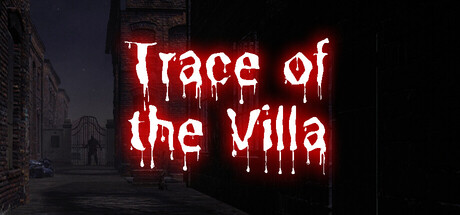
Trace of the Villa: why quiet tension and slow-burn uncertainty matter more than loud scares
Trace of the Villa (Steadyturtle Co., Ltd.) offers a slow, investigative approach to psychological horror: you follow Jin through a decaying mansion that reveals its secrets piece by piece, not with jump-scare theatrics but with lingering absence and puzzle-led discovery. Released on 28 May, 2026 for PC on Steam, the game trades shock claims for atmosphere, environmental storytelling, and clue-driven exploration that rewards patience.

Quick facts
| Title | Trace of the Villa |
|---|---|
| Developer / Publisher | Steadyturtle Co., Ltd. |
| Release date | 28 May, 2026 |
| Platform | PC (Steam) |
| Genres | Action, Adventure, Indie |
| Categories | Single-player; Color Alternatives; Custom Volume Controls; Playable without Timed Input; Subtitle Options; Family Sharing |
| Steam page | Trace of the Villa on Steam |
What the game is
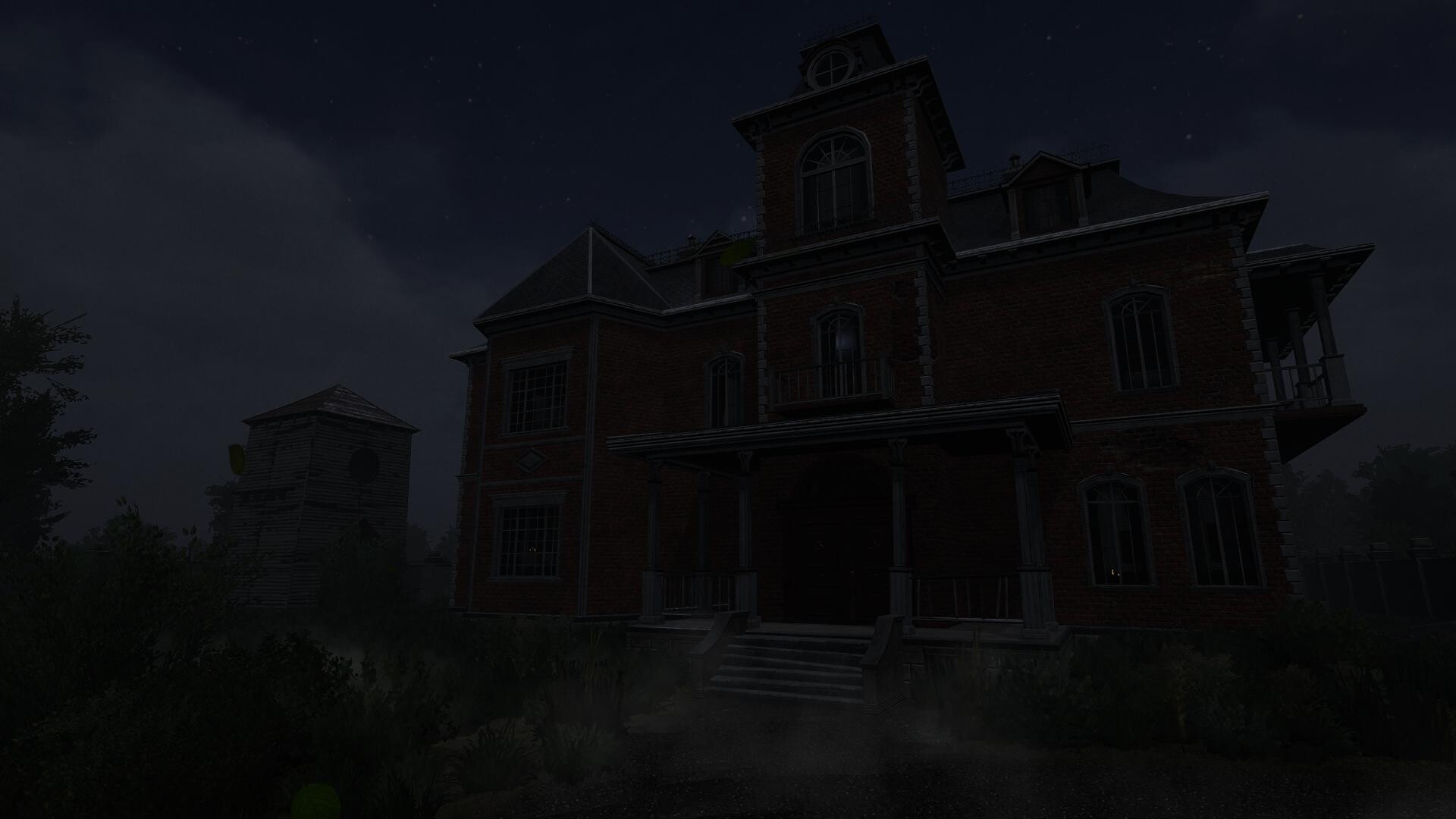
Trace of the Villa is a story-rich mystery adventure that frames a psychological investigation inside a remote, decaying mansion. The official premise centers on Jin searching for his missing sister; manifests, locked rooms and encrypted fragments drive progress as the house slowly returns to life when power is restored.
Who should wishlist or buy it
This is for players who prefer slow-burn suspense and environmental mystery over loud, reactive horror. If you value:
- Exploration-driven storytelling and puzzles that reveal context rather than instant payoff
- Atmospheric mansion mysteries with an investigative protagonist
- Accessibility options like subtitle support, custom volume, and non-timed input
— then Trace of the Villa is aimed at your tastes.
When and where to find it
Trace of the Villa released on Steam on 28 May, 2026. The Steam store page includes official images, screenshots and store metadata—follow the Steam link above to wishlist, read publisher notes, and check system requirements.
Why quiet tension and uncertainty matter
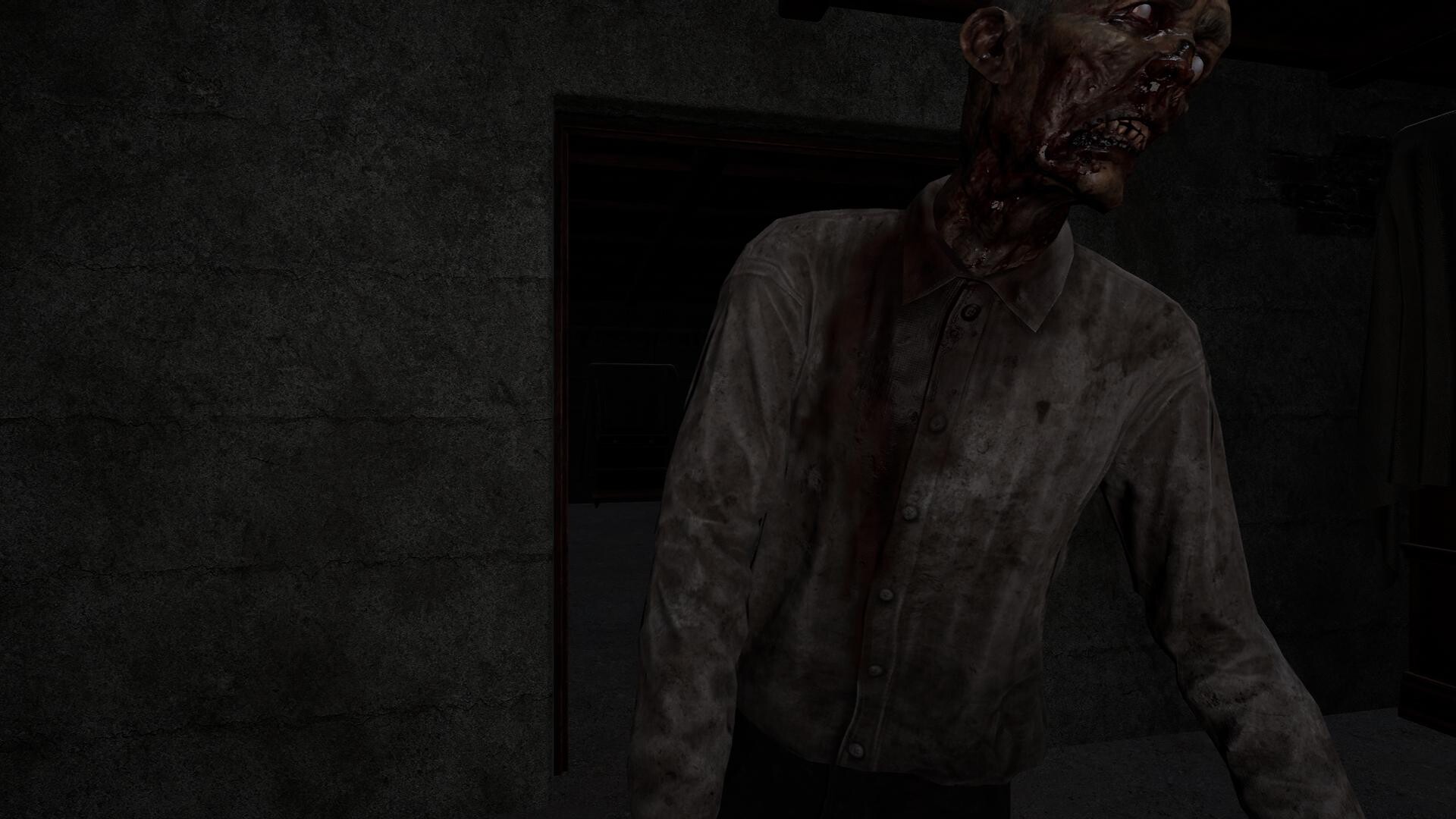
Psychological horror that trades shocks for ambiguity changes how players invest in an experience. Quiet tension encourages close reading of environments, slower pacing, and attention to minor details: a powered-back corridor, a misplaced ledger, a door that opens only after you restore a circuit. Those small discoveries compound into dread because they imply unseen forces rather than handing players a single big scare.
How progression and clues work
The official Steam description emphasizes restoring estate power and unlocking secured systems—mechanics that turn investigation into a series of revelations. Expect exploration, environmental puzzles, and evidence reconstruction (manifests, encrypted documents, transfer records) that form a narrative trail. Progress is likely driven by solving puzzles, reactivating systems, and piecing together disparate fragments rather than combat-driven encounters.
Player scenarios — when Trace of the Villa fits your evening
- Late-night play when you want immersion: you can move slowly, read documents, and piece together a timeline without being rushed by timed mechanics.
- Solo investigation nights: single-player focus and subtitle options make it suitable for deep, attentive sessions.
- Puzzle-first players: if you appreciate narrative puzzles that unlock more story rather than combat or action set-pieces, this aligns well.
- Accessibility-conscious runners: options like custom volume and non-timed input let you tailor the experience to steady pacing.
How it compares to nearby psychological mystery titles
Below is an editorial comparison on lawful criteria: genre, atmosphere, puzzle emphasis, exploration style, story tone, and pacing. This is not a ranking—use it to match player preference.
| Title | Genre / Feel | Puzzle / Investigation | Exploration Style | Story Tone | Player fit |
|---|---|---|---|---|---|
| Trace of the Villa | Action / Adventure / Indie — atmospheric mansion mystery | Clue-driven puzzles, restoring systems, decrypting documents | Methodical room-by-room, environmental storytelling | Slow-unraveling, personal investigation (search for a missing sister) | Players who favor slow-burn suspense and puzzle-led narrative |
| Amnesia: The Dark Descent | Action / Adventure / Indie — immersion and dread | Puzzle elements mixed with survival mechanics and sanity systems | Claustrophobic, first-person corridors and set pieces | Relentless atmospheric horror with survival tension | Players seeking immersive, fear-focused exploration |
| SOMA | Action / Adventure / Indie — sci-fi existential horror | Puzzles integrated with narrative and environmental clues | Large, interconnected locations with story nodes | Philosophical, unsettling tone that questions identity | Players who want story-heavy, contemplative horror |
| Layers of Fear (2016) | Adventure / Indie — psychological mansion mystery | Puzzle sequences tied to narrative reveals and shifting spaces | Labyrinthine, rooms that change to reflect psyche | Surreal, artistic descent into madness | Players drawn to unreliable environments and narrative distortion |
| Poppy Playtime | Action / Adventure / Indie — puzzle-horror with set mechanics | Puzzle tools (e.g., GrabPack) and set-piece challenges | Factory layout with mechanical puzzles and enemy encounters | Tense, toy-themed threat with stronger reactive scares | Players who like tool-based puzzles and higher-intensity moments |
Where to look for trailers and gameplay
Search for trailers and gameplay videos on YouTube using this discovery path (this is a search/discovery link, not an official video claim): YouTube: Trace of the Villa trailer & gameplay.
Final take
If you prefer atmospheric mystery adventure and slow-burn suspense over immediate jolts, Trace of the Villa’s investigative, room-by-room unraveling is designed for you. Its Steam page and official screenshots suggest an emphasis on environmental clues and narrative puzzles—an experience built around uncertainty and the satisfaction of assembling a suppressed timeline.
Steam store: https://store.steampowered.com/app/3483660/Trace_of_the_Villa/
Disclaimer: Referenced titles and trademarks belong to their respective owners. This comparison is editorial discovery only and not an endorsement.
Leave a Reply