
Trace of the Villa and the Case for Quiet, Slow-Burn Tension
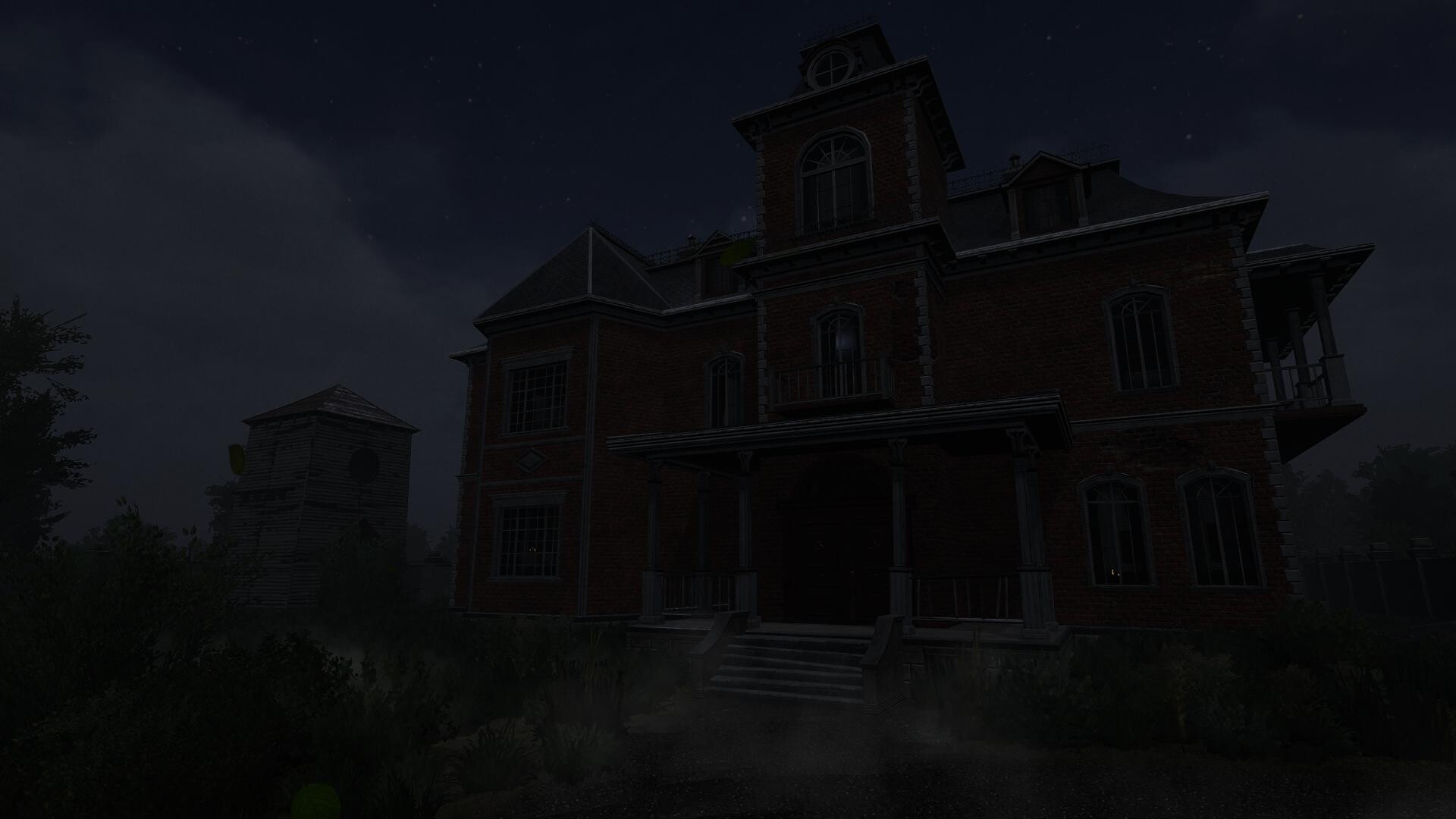
Trace of the Villa (Steadyturtle Co., Ltd.) arrives on Steam on 28 May, 2026 as a story-led action/adventure indie that trades jump scares for long, curdling unease: a lone search for a missing sister in a decaying mansion where identities seem to have been erased. If you prize environmental storytelling, clue-driven exploration, and a slow-building sense of dread over headline-grabbing shocks, this one is aimed squarely at that register of psychological horror.

Who this is for
Players who prefer patient tension to adrenaline spikes: readers of visual atmosphere, players who enjoy assembling timelines and identities from found documents, and anyone who likes horror that grows from the uncanny absence of normal life. The Steam categories — including Single-player, Playable without Timed Input, Subtitle Options and Color Alternatives — suggest design choices supportive of deliberate, accessible exploration rather than twitch reflex play.
What the game is
Trace of the Villa centers on Jin, who has spent years searching for his missing sister and follows a lead to a remote, decaying mansion where manifests and other hints suggest she may still be alive. According to the official Steam description, the mansion “feels less abandoned than erased”: furnished rooms frozen mid-routine, locked doors holding hastily secured secrets, personal belongings without photographs or names. When Jin restores power to the estate, secured systems and hidden compartments begin to reveal fragments of encrypted documents, suspicious transfer records, and an organized pattern of arrivals and departures — a narrative built around discovery and reconstruction rather than confrontation alone.
When and where
Trace of the Villa released on Steam on 28 May, 2026. It is available on PC via its Steam store page. Use the Steam link below to view the store page, wishlist, or pick up the game.
Why quiet tension and uncertainty matter
Psychological horror that leans on silence and uncertainty invests the player’s imagination as an engine of fear. In Trace of the Villa the absence of names and the staged domesticity are not just set dressing — they are the clues. The slower the pace, the more time the game gives you to interpret incongruent details: a misplaced object, a room with light but no occupant, a ledger with strange transfers. Those moments linger after you stop playing, which is precisely the point: the dread becomes cumulative. For players who find jump-scare cycles hollow, a slow-burn approach rewards careful attention and rewards patience with unfolding story payoffs.
How you play and progress
Progression is built around environmental puzzles and investigative steps rather than timed encounters. Official notes describe restoring power to the house as a key turning point — secured systems come back online, hidden compartments unlock, and safes yield encrypted documents and transaction histories. You assemble a timeline from manifest fragments, falsified identities, and other artifacts recovered around the estate; each solved puzzle reveals another layer of a carefully concealed operation. The Steam listing’s “Playable without Timed Input” category signals that puzzle solving and deduction, not reflexes, determine success.
Practical player scenarios
- The investigative player: You enjoy reading files, piecing together timelines, and interpreting what’s missing. Expect long inspection loops and narrative payoffs driven by discovery.
- The atmospheric night session: Play with headphones and minimal distractions. The mansion’s silence and restored systems are designed to reward focused listening and observation.
- The accessibility-minded player: With Subtitle Options, Color Alternatives, and Custom Volume Controls listed, the game appears mindful of varied player needs; the “Playable without Timed Input” tag suits those who prefer less pressure while exploring.
- The puzzle-oriented explorer: If you like clue-driven puzzles in a story context rather than combat- or speed-focused gameplay, the progression loop should be satisfying.
Compact facts — Trace of the Villa
| Title | Trace of the Villa |
|---|---|
| Steam AppID | 3483660 |
| Release date | 28 May, 2026 |
| Developer / Publisher | Steadyturtle Co., Ltd. |
| Genres | Action, Adventure, Indie |
| Notable Steam categories | Single-player; Color Alternatives; Custom Volume Controls; Playable without Timed Input; Subtitle Options; Family Sharing |
| Official short premise | Jin searches a remote, decaying mansion where recovered manifests and hints indicate his missing sister may still be alive. |
How it compares (editorial discovery)
Below is a compact editorial comparison with other well-known atmospheric horror titles to help you decide whether Trace of the Villa fits your tastes. This table focuses on genre, atmosphere, puzzle emphasis, exploration style, and pacing.
| Title | Core focus | Atmosphere / Tone | Puzzle vs Action | Exploration style | Who might prefer it |
|---|---|---|---|---|---|
| Trace of the Villa (2026) | Psychological investigation in a mansion | Slow-burn, uncanny domestic erasure | Primarily puzzle / clue-driven | Methodical environmental reconstruction | Players wanting patient, narrative puzzle exploration |
| Amnesia: The Dark Descent (2010) | First-person survival horror | Immersive, dread-heavy | Puzzles with survival elements; resource/stealth tension | Linear horror set pieces with immersion focus | Players seeking immersion and survival-oriented fear
Steam pageView Trace of the Villa on Steam YouTube discoveryFor trailer and gameplay discovery, use YouTube search rather than relying on unverified embeds: Find Trace of the Villa trailer and gameplay searches on YouTube. CommentsMore posts |
Leave a Reply