
Trace of the Villa and the Power of Quiet Tension
Trace of the Villa trades jump scares for a slow, suffocating unravel: a clue-driven, atmospheric mystery adventure that asks players to read a mansion’s absences as carefully as its objects. Released 28 May, 2026 by Steadyturtle Co., Ltd., it foregrounds environmental storytelling and methodical investigation over spectacle.

Who this is for
If you prefer slow-burn suspense, investigative pacing, and story-rich exploration on PC, Trace of the Villa is aimed at you. It fits players who enjoy atmospheric mystery adventure and psychological investigation — those who favor reading context, solving narrative puzzles, and letting tension build from silence rather than loud shocks.
What the game is
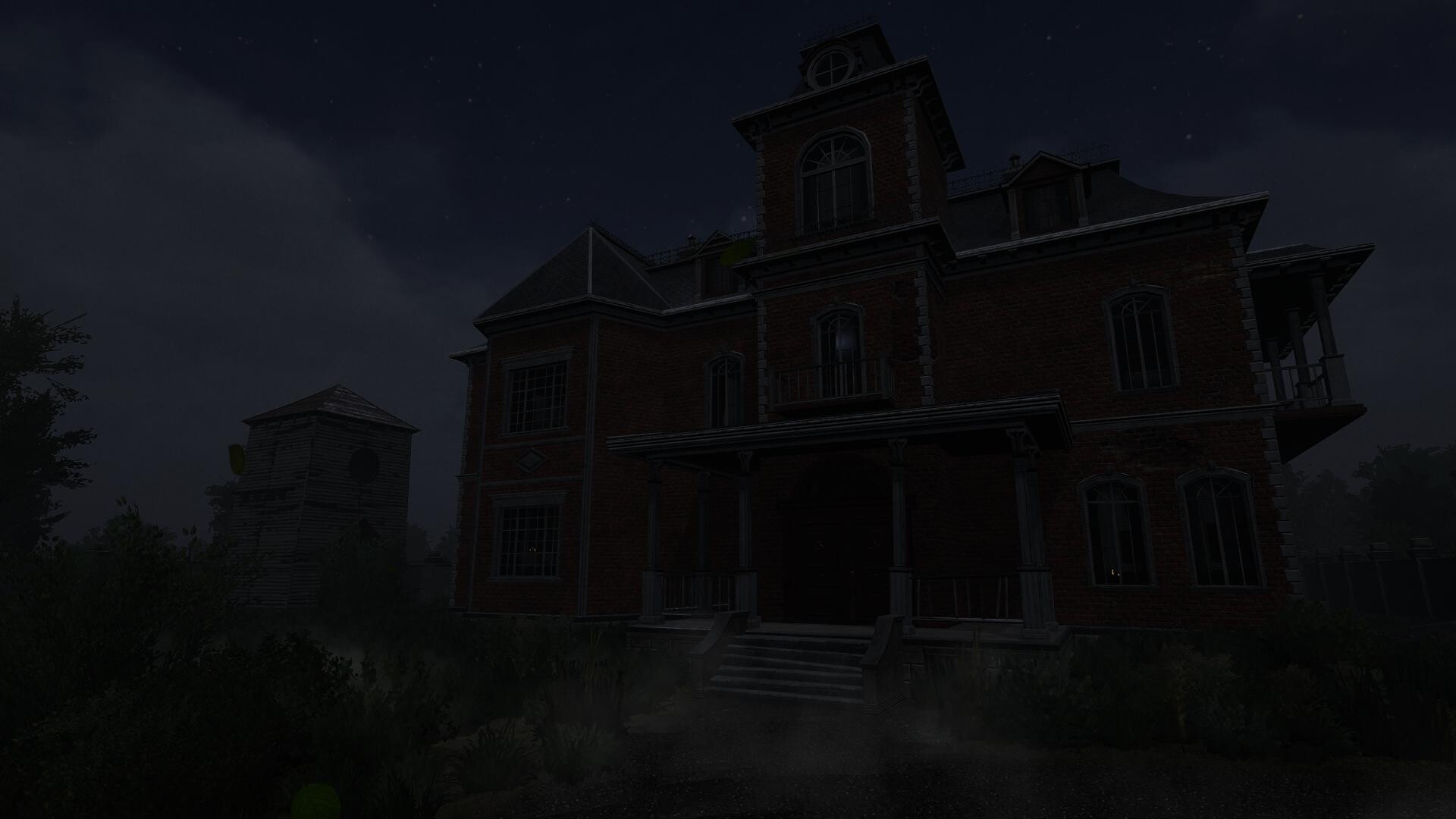
Trace of the Villa casts you as Jin, a protagonist who has spent years searching for his missing sister. A lead brings him to a remote, decaying mansion where manifests and hints suggest she may still be alive. The official Steam description emphasizes restoring power, unlocking secured systems, and piecing together encrypted documents and transfer records to reveal a carefully concealed operation — a mansion mystery told through environmental storytelling, locked doors, and fragmentary evidence.
When and where
Trace of the Villa released on Steam on 28 May, 2026. It is offered as a single-player PC experience on Steam with categories that include Color Alternatives, Custom Volume Controls, Playable without Timed Input, Subtitle Options, and Family Sharing.
Why quiet tension and uncertainty matter more than shock claims
Psychological horror that relies on sustained uncertainty reshapes what fear feels like: it turns every ordinary object into a potential clue and every silence into a hypothesis. Trace of the Villa’s premise — a house arranged as if people vanished mid-routine, identities erased — rewards patience. The slow revelation of encrypted files, manifests, and falsified records gives players time to form theories, test them, and feel the cumulative weight of discovery. In tension-driven games, dread is a resource built over time; sudden shocks can startle, but they rarely cultivate the kind of lingering unease that narrative puzzle design and environmental storytelling do.
How you progress — clue-driven exploration and puzzle design
Progress in Trace of the Villa centers on restoring and interrogating the mansion’s systems. According to the official description, restoring power brings systems back online, hidden compartments and safes yield fragments of encrypted documents, and manifests point to movements masked behind falsified identities. That setup implies an investigative loop: examine space, restore systems, unlock new information, and reinterpret previous spaces in light of new evidence. The game’s design appears to favor methodical decoding over reflex-driven sequences, making pacing and careful note-taking essential.
Compact facts — Trace of the Villa
| Title | Trace of the Villa |
|---|---|
| Steam AppID | 3483660 |
| Release date | 28 May, 2026 |
| Developer / Publisher | Steadyturtle Co., Ltd. |
| Genres | Action, Adventure, Indie |
| Key Categories | Single-player; Color Alternatives; Custom Volume Controls; Playable without Timed Input; Subtitle Options; Family Sharing |
| Short premise (official) | Jin searches a decaying mansion for signs that his missing sister may still be alive; manifests and clues point to a larger, concealed operation. |
Player scenarios — deciding if you should wishlist
- If you want slow-burn investigation: You’ll appreciate the mansion-as-evidence approach — restoring power and decrypting documents to reshape your understanding of the map.
- If you prefer non-stop action or constant spectacle: This title leans toward atmosphere and piecemeal revelation, so it may feel too patient.
- If you like puzzle-focused exploration with story payoff: Expect narrative puzzle design where each solved lock or restored system yields fragments that change the narrative picture.
- If accessibility and comfort options matter: Steam categories include Custom Volume Controls, Subtitle Options, and Color Alternatives, which may help tailor the experience.

Comparison — how Trace of the Villa sits next to related titles
| Game | Genre / Core tone | Puzzle vs. Threat | Exploration style | Pacing / Player fit |
|---|---|---|---|---|
| Amnesia: The Dark Descent | Action / Adventure / Indie — immersion and survival darkness | High emphasis on helpless survival with immersive dread (player vulnerability central) | First-person, environmental immersion | For players who want intense immersion and survival stress |
| SOMA | Action / Adventure / Indie — sci-fi existential horror | Blend of exploration, narrative puzzles, and philosophical dread | Closed, atmospheric levels with narrative emphasis | For players who want story-driven tension and ethical questions |
| Layers of Fear (2016) | Adventure / Indie — first-person psychological horror | Atmosphere and story puzzles over combat; reality shifts | Ever-shifting mansion spaces, heavy on visual storytelling | For players who value unsettling atmosphere and narrative ambiguity |
| Layers of Fear (2023) | Adventure — collected/expanded chapters; psychological tone | Story and mood-forward; less about reflexes, more about discovery | Chapter-based exploration with artistic horror focus | For players seeking a curated, chaptered psychological experience |
| Poppy Playtime | Action /
Steam pageView Trace of the Villa on Steam YouTube discoveryFor trailer and gameplay discovery, use YouTube search rather than relying on unverified embeds: Find Trace of the Villa trailer and gameplay searches on YouTube. CommentsMore posts |
Leave a Reply