Trace of the Villa: An investigation game that frames its mystery around a missing-person trail
In Trace of the Villa, Jin follows leads to a remote, decaying mansion and uncovers manifests, encrypted fragments, and signs that his missing sister may still be alive. The game positions clue-driven exploration and restored systems as the player’s primary tools for reconstructing what — and who — was erased from this house.


| Title | Trace of the Villa |
|---|---|
| Release date | 28 May, 2026 |
| Developer / Publisher | Steadyturtle Co., Ltd. |
| Genres | Action · Adventure · Indie |
| Categories | Single-player; Color Alternatives; Custom Volume Controls; Playable without Timed Input; Subtitle Options; Family Sharing |
| Steam AppID | 3483660 |
| Premise (official) | Jin searches a remote, deliberately forgotten mansion and finds manifests and hints that his missing sister may still be alive. |
Who it’s for
This is aimed at players who prize narrative curiosity and investigative pacing over action spectacle: folks who prefer atmospheric mystery adventure and psychological investigation where every unlocked system or decrypted fragment matters. If you enjoy environmental storytelling, slow-burn suspense, and piecing together a story from physical clues and documents, Trace of the Villa is likely to fit your taste.
What the game is — the core narrative hook
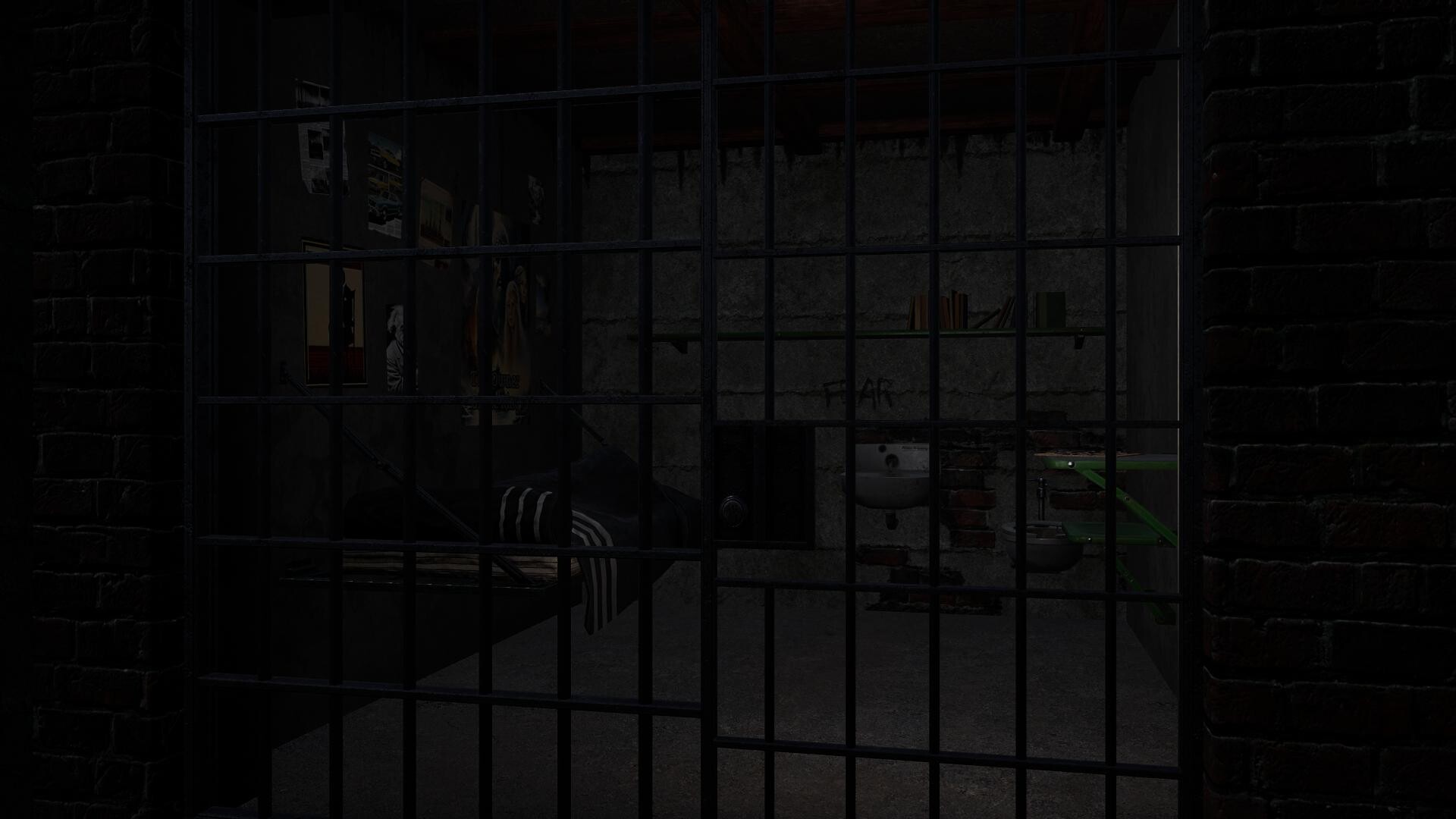
Officially described as an investigation centered on Jin and his missing sister, Trace of the Villa sets up a mansion that feels “less abandoned than erased.” The house returns pieces of its history when power and systems are restored: locked doors open, safes yield fragments of encrypted documents, and manifests suggest people moved through the property under strict control. That missing-person stake — Jin’s sister — converts curiosity into urgency, framing exploration as a potentially life-or-death trail rather than pure archival scavenging.
When and where you can play it
Trace of the Villa released on Steam on 28 May, 2026. It’s presented on PC as an Action / Adventure / Indie title by Steadyturtle Co., Ltd. The store presence lists single-player accessibility options such as subtitle options, color alternatives, and custom volume controls.
Why the missing-person stakes matter
Missing-person stakes change the player’s relationship to information. When hints could lead to a living person rather than a closed mystery, choices about what to investigate first and how to interpret fragments carry moral weight. The official description highlights falsified identities, suspicious transfer records, and arrivals/departures without witnesses — narrative elements that make each discovered document feel consequential. For players who want emotional stakes tied to discovery, this is a deliberate design framing.
How you read clues and progress
- Restoring estate systems is an investigative mechanic: when Jin restores power, secured systems reactivate and hidden compartments become accessible.
- Progress unfolds through environmental storytelling: furnished rooms with missing personal identifiers, manifests, encrypted fragments, and transfer records are the principal evidence the player assembles.
- Puzzle and exploration are narrative tools: solving safes and accessing locked areas is less about abstract puzzles and more about unlocking context and timeline pieces that point toward the trail’s end.
Player scenarios — who will get the most out of it
- Evening investigator: You like to play in measured sessions, reading documents and letting revelations settle between playtimes rather than speed-through action.
- Document hoarder: You enjoy collecting fragments, cross-referencing manifests, and building timelines from in-world artifacts.
- Atmosphere seeker: You respond to slow-burn suspense and spaces that feel lived-in but erased; pacing and tone matter more than quick combat or flashy set-pieces.
- Accessibility-conscious player: The Steam page lists subtitle options, color alternatives, and custom volume controls, making it easier to tailor the experience to your preferences.
How Trace of the Villa differs from nearby mystery/puzzle titles
Below is a focused comparison using lawful editorial criteria: genre, atmosphere, puzzle focus, exploration style, story tone, pacing, and likely player fit.
| Game | Shared traits | Different emphasis | Player who might prefer it |
|---|---|---|---|
| Inscryption | Strong mystery, layered secrets, puzzle elements | Card-based meta-structure and psychological horror; mechanically experimental | Players who like genre-bending mechanics and meta-revelations |
| Outer Wilds | Exploration-led narrative, piecing together a timeline | Open-world solar-system exploration and time-loop structure | Players who enjoy open discovery and non-linear timelines |
| Journey | Atmospheric, emotional, focused single-player experience | Abstract, minimalist storytelling and traversal emphasis | Players looking for poetic, mostly wordless emotional arcs |
| The Forgotten City | Narrative-driven mystery with moral stakes and puzzle solutions | Time-manipulation mechanics and dialogue-heavy revelations | Players who want branching narrative consequence and moral puzzles |
| The Medium | Psychological investigation and dual-realm atmosphere | Explicit supernatural/spirit-realm mechanics and third-person exploration | Players who prefer horror-leaning psychological investigation |
Should you wishlist it?
Wishlist Trace of the Villa if you want a Steam mystery that places missing-person stakes at its emotional core, favors document-driven and systems-based discovery, and delivers an exploration experience shaped by atmosphere and slow escalation. If you expect fast-paced action or mechanic-first puzzle systems, this title’s narrative-first framing may be a less exact fit.
YouTube discovery
Look for trailers and gameplay footage via this search path: Trace of the Villa — YouTube search for trailer & gameplay. This link is provided as a discovery route; a specific official video is not asserted here.
View Trace of the Villa on Steam
Disclaimer: Referenced titles and trademarks belong to their respective owners. Comparisons are editorial discovery based on genre, atmosphere, puzzle focus, exploration style, story tone, and pacing, not official endorsements.