
Trace of the Villa — how puzzles reveal evidence without spoiling the mystery
Trace of the Villa (released 28 May, 2026) puts you in the shoes of Jin, an investigator whose years-long search for a missing sister draws him to a remote, decaying mansion. The game’s narrative unfolds through recovered manifests, powered systems, and locked compartments—puzzles that deliver story evidence in measured, atmospheric doses.

Who should wishlist this on Steam
Players who favor slow-burn suspense and environmental storytelling—those who prefer reading clues across objects and systems rather than being fed exposition—will find Trace of the Villa appealing. It suits fans of atmospheric mystery adventure and story-rich investigations who appreciate puzzle design that rewards careful observation and logical assembly of evidence.
What the game is (concise)
Trace of the Villa is an Action/Adventure Indie title from Steadyturtle Co., Ltd. that centers on Jin’s search for his missing sister inside a deliberately forgotten estate. The mansion’s state—rooms left mid-routine, absent names and photographs, locked doors, encrypted documents, and falsified records—frames puzzles as the primary way the plot is reconstructed.
When and where
Trace of the Villa is available on Steam for PC and released on 28 May, 2026. The Steam store page lists the developer and publisher as Steadyturtle Co., Ltd., and categories include Single-player, Color Alternatives, Custom Volume Controls, Playable without Timed Input, Subtitle Options, and Family Sharing.
Why the theme matters: puzzles as evidence
Rather than delivering a single reveal, Trace of the Villa scatters fragments of story across environmental and object-driven puzzles. Restoring power brings systems online and unlocks layers of information—hidden compartments, safes, and fragments of encrypted documents—that act as forensic clues. This design makes each solved puzzle a piece of admissible “evidence” in the player’s mental case file, aligning player agency with narrative discovery while avoiding big, early spoilers.
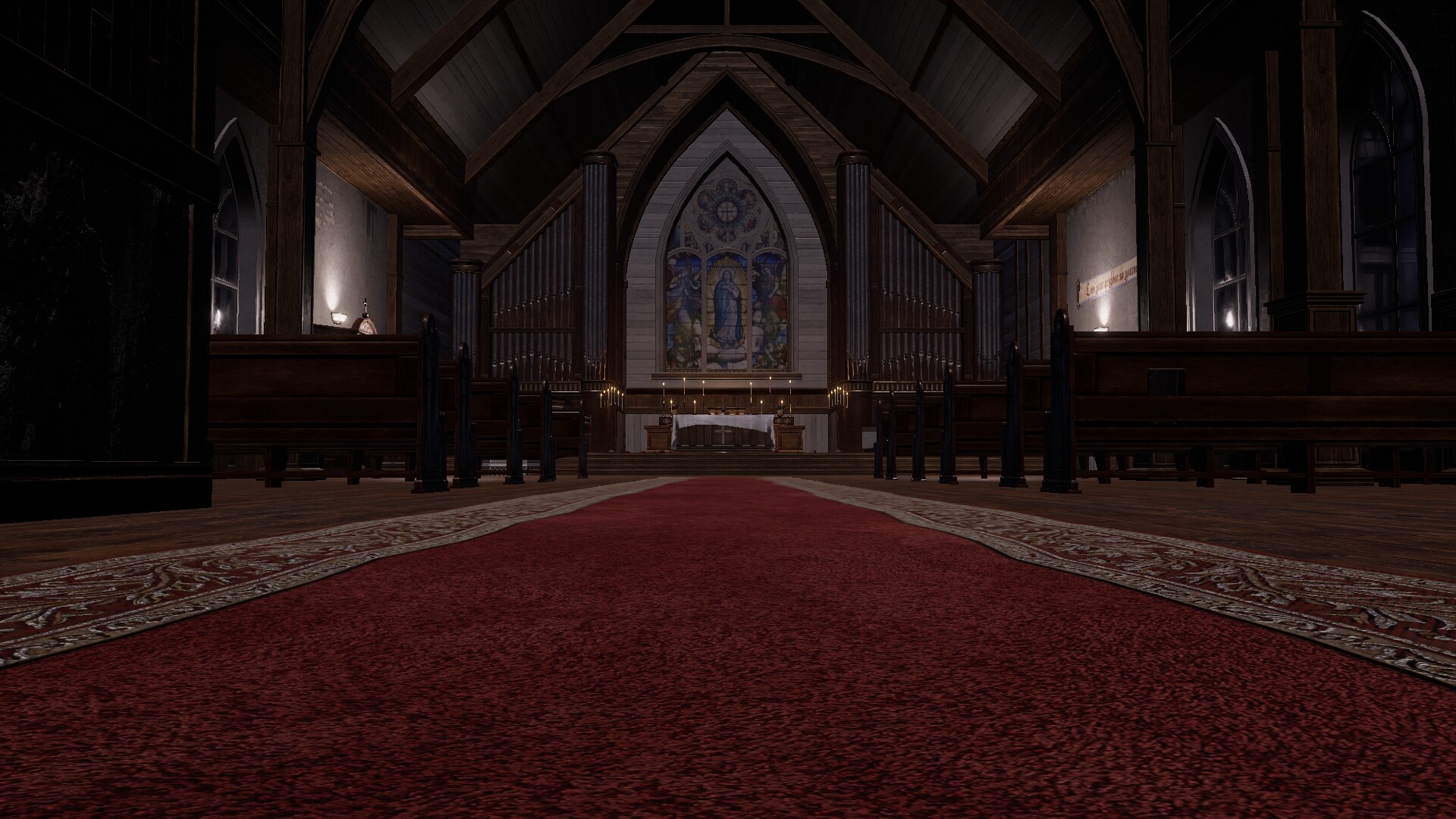

How you read clues and progress — puzzle mechanics without spoilers
Trace of the Villa’s story progression is procedural and tactile: power restoration and system access unlock new play spaces and objects; safes and secured containers yield fragmented documents; manifests and transfer records suggest patterns rather than explicit answers. The key editorial point is how mechanics gate narrative information—players must assemble small, contextual facts to build hypotheses. That means the game reveals evidence incrementally, letting you test interpretations without being railroaded by a single explanatory scene.
Compact facts — Trace of the Villa
| Title | Trace of the Villa |
|---|---|
| Release date | 28 May, 2026 |
| Developer / Publisher | Steadyturtle Co., Ltd. |
| Genres | Action, Adventure, Indie |
| Steam categories | Single-player; Color Alternatives; Custom Volume Controls; Playable without Timed Input; Subtitle Options; Family Sharing |
| Steam page | Trace of the Villa on Steam |
How it compares to nearby puzzle/adventure experiences
Below is a short editorial comparison focused on puzzle style, narrative delivery, exploration, and pacing to help you decide if Trace of the Villa fits your play habits.
| Title | Puzzle focus | Narrative delivery | Exploration style | Player fit / pacing |
|---|---|---|---|---|
| Trace of the Villa | Clue reading, object logic, system-based puzzles (power, safes, encrypted documents) | Evidence-first: fragments and manifests unlock gradually as puzzles are solved | Slow, deliberate mansion exploration with gated areas unlocked by progress | Players who like methodical investigation and assembling timeline fragments |
| The Room | Mechanical, tactile puzzle boxes and devices | Cryptic notes and a confined mystery revealed through artefacts | Focused, single-room to multi-room puzzle progression | Fans of intricately designed object puzzles and solitary puzzle solving |
| Escape Simulator | Highly interactive escape-room-style puzzles, physics-enabled interactions | Minimal story framing; puzzles are the primary driver | Room-by-room, often community-made variety; faster-paced puzzle loops | Players who enjoy fast, interactive puzzle solving and cooperative play |
| Unpacking | Implicit, object-placement puzzles that reveal life stories | Quiet, vignette-based narrative told through possessions and scenes | Non-threatening, low-pressure exploration of domestic spaces | Players who prefer contemplative, puzzle-light storytelling through objects |
Player scenarios — who will enjoy this game
- Scenario A: You enjoy tracing timelines. If you like reconstructing sequences from partial documents and environmental cues, Trace of the Villa’s evidence-driven puzzles align closely with that habit.
- Scenario B: You prioritize atmosphere and pacing. Prefer slow, unsettling exploration over action-oriented sequences? The mansion setting and measured reveals will suit you.
- Scenario C: You want concrete puzzle payoff. If unlocking a safe to obtain a document or restoring a system to access a new wing motivates you, the game ties mechanical success to narrative confirmation.
YouTube discovery
If you want trailers or gameplay clips, search results and community videos can be found here (useful for trailer/gameplay discovery; not verified as official): YouTube search: Trace of the Villa trailer gameplay.
Please note: referenced titles and trademarks belong to their respective owners. Comparisons above are editorial discovery and not endorsements or claims of connection.
Leave a Reply