
Trace of the Villa — why quiet tension and uncertainty matter more than shock
Trace of the Villa trades loud scares for a slow, suffocating atmosphere: a decaying mansion where rooms feel “less abandoned than erased,” and the work of unpicking identity and paperwork becomes the engine of dread. For players who prefer environmental storytelling, clue-driven exploration, and psychological suspense over jump scares, this Steam release deserves attention.

What Trace of the Villa is
Trace of the Villa is a story-driven, atmospheric mystery adventure built around a psychological investigation. The player follows Jin — a man who has spent years searching for his missing sister — to a remote, deliberately forgotten mansion. The Steam description frames the experience as an investigation that begins with recovering manifests and hints, restoring power, and unlocking fragments of encrypted documents, falsified identities and transfer records. The mansion’s unnerving absence of photographs, names or visible histories — described on the Steam page as a place where “identities themselves were removed” — is the game’s central hook.
Who it’s for
- Players who favor slow-burn suspense, atmospheric mystery adventure, and environmental storytelling over fast-paced action.
- Fans of puzzle-led exploration and narrative puzzle design who enjoy assembling timelines and reading documents to uncover an unseen operation.
- Those who appreciate psychological tension anchored in identity erasure and unexplained spaces rather than repeated jump scares.
When and where
Trace of the Villa released on Steam on 28 May, 2026. It is developed and published by Steadyturtle Co., Ltd. and appears on Steam’s PC storefront as a single-player indie title.
Why quiet tension and uncertainty matter here
Games that lean on silence, missing context, and deliberately incomplete records ask a different question of players: not “what will jump out next?” but “what is missing, and why?” When a house is staged to look inhabited but all names and photos have been scrubbed, the fear grows from inference and imagination. Identity erasure—people listed as arrivals or transfers with no traceable past—turns procedural details (manifests, financial trails, encrypted fragments) into sources of dread. That uncertainty keeps players actively interpreting, which sustains suspense longer than any single shock could.
How progression and investigation work (from Steam’s description)
The Steam narrative describes Jin restoring power to the estate, at which point secured systems come back online, compartments unlock, and safes yield fragments of documents and suspicious transfer records. Progression is clue-driven: solving puzzles and restoring systems reveals another layer of a concealed operation—arrivals without records, departures without witnesses, and people moved under strict control. In practical terms, expect environmental puzzles, exploration of locked rooms, and reading/assembling documentary evidence to form the timeline.
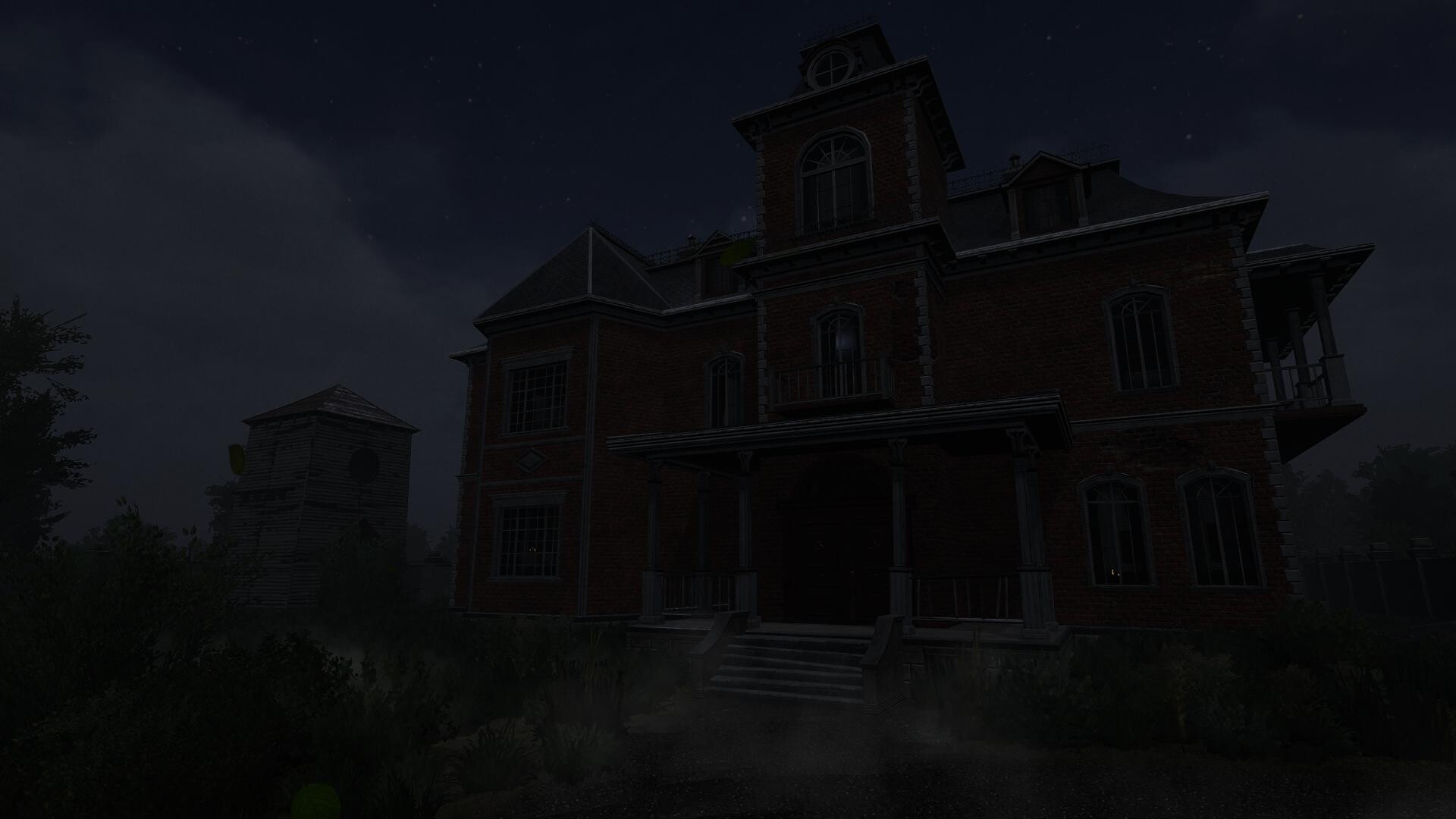

Compact facts — Trace of the Villa
| Title | Trace of the Villa |
|---|---|
| Steam AppID | 3483660 |
| Release date | 28 May, 2026 |
| Developer / Publisher | Steadyturtle Co., Ltd. |
| Genres | Action, Adventure, Indie |
| Categories | Single-player; Color Alternatives; Custom Volume Controls; Playable without Timed Input; Subtitle Options; Family Sharing |
| Official short premise | Jin has spent years searching for his missing sister; a decaying mansion yields manifests and hints that she may still be alive. |
How Trace of the Villa compares (editorial, lawful)
Below is a concise editorial comparison against nearby psychological and exploration-driven horror titles. The goal is to help you decide fit by atmosphere, puzzle focus and pacing — not to assert superiority.
| Title | Genre / Tone | Puzzle focus | Exploration style | Story tone & pacing | Who should consider it |
|---|---|---|---|---|---|
| Trace of the Villa | Action / Adventure / Indie — atmospheric mystery adventure | Clue-driven; documents, systems, locked compartments (narrative puzzles) | Slow, investigative mansion exploration | Slow-burn, procedural reveal; emphasis on identity erasure and unresolved records | Players who like atmospheric document puzzles and psychological suspense |
| Amnesia: The Dark Descent | Action / Adventure / Indie — immersion and survival horror | Puzzle elements mixed with survival and stealth | First-person exploration with emphasis on atmosphere and helplessness | Intense, claustrophobic; anxiety-driven pacing | Fans of immersive, tension-heavy horror and survival mechanics |
| SOMA | Action / Adventure / Indie — sci-fi psychological horror | Environmental puzzles and narrative-driven problem solving | Exploration of a confined facility with a focus on audio/visual clues | Thoughtful, existential tone; steady pacing that foregrounds ideas about identity | Players who want philosophical horror and narrative puzzle design |
| Layers of Fear (2016) | Adventure / Indie — first-person psychological horror | Environmental and narrative puzzles; changing spaces | Exploratory mansion that shifts around the player | Fragmented, artistic descent into madness with variable pacing | Players who enjoy unreliable environments and story-driven scares |
| Poppy Playtime | Action / Adventure / Indie — horror/puzzle adventure | Puzzle mechanics with tool-based interactions (e.g., GrabPack) | Factory-based exploration with set-piece encounters | More gamey, set-piece pacing with clear mechanical beats | Players who prefer puzzle mechanics and scripted horror encounters |
Player scenarios — who should wishlist it
- If you savor assembling a timeline from scattered logs, manifests, and encrypted fragments, wishlist this to follow Jin’s methodical investigation.
- If
Steam page
View Trace of the Villa on Steam
YouTube discovery
For trailer and gameplay discovery, use YouTube search rather than relying on unverified embeds: Find Trace of the Villa trailer and gameplay searches on YouTube.
Leave a Reply