
Who Should Consider Trace of the Villa: A Mansion Mystery for Slow-Burn PC Investigators
Trace of the Villa is a story-driven mystery adventure that places a lone investigator in a remote, decaying mansion to follow leads about a missing sister. If you prize atmospheric exploration, environmental storytelling, and puzzle-led investigation over fast action, this new Steam release is aimed squarely at you.

Quick facts
| Title | Trace of the Villa |
|---|---|
| Release date | 28 May, 2026 |
| Developer / Publisher | Steadyturtle Co., Ltd. |
| Genres | Action, Adventure, Indie |
| Steam categories | Single-player; Color Alternatives; Custom Volume Controls; Playable without Timed Input; Subtitle Options; Family Sharing |
| Short pitch | “Jin has spent years searching for his missing sister… a remote, decaying mansion where he recovered manifests and hints that indicate his sister may still be alive.” (Official Steam short description) |
What Trace of the Villa is
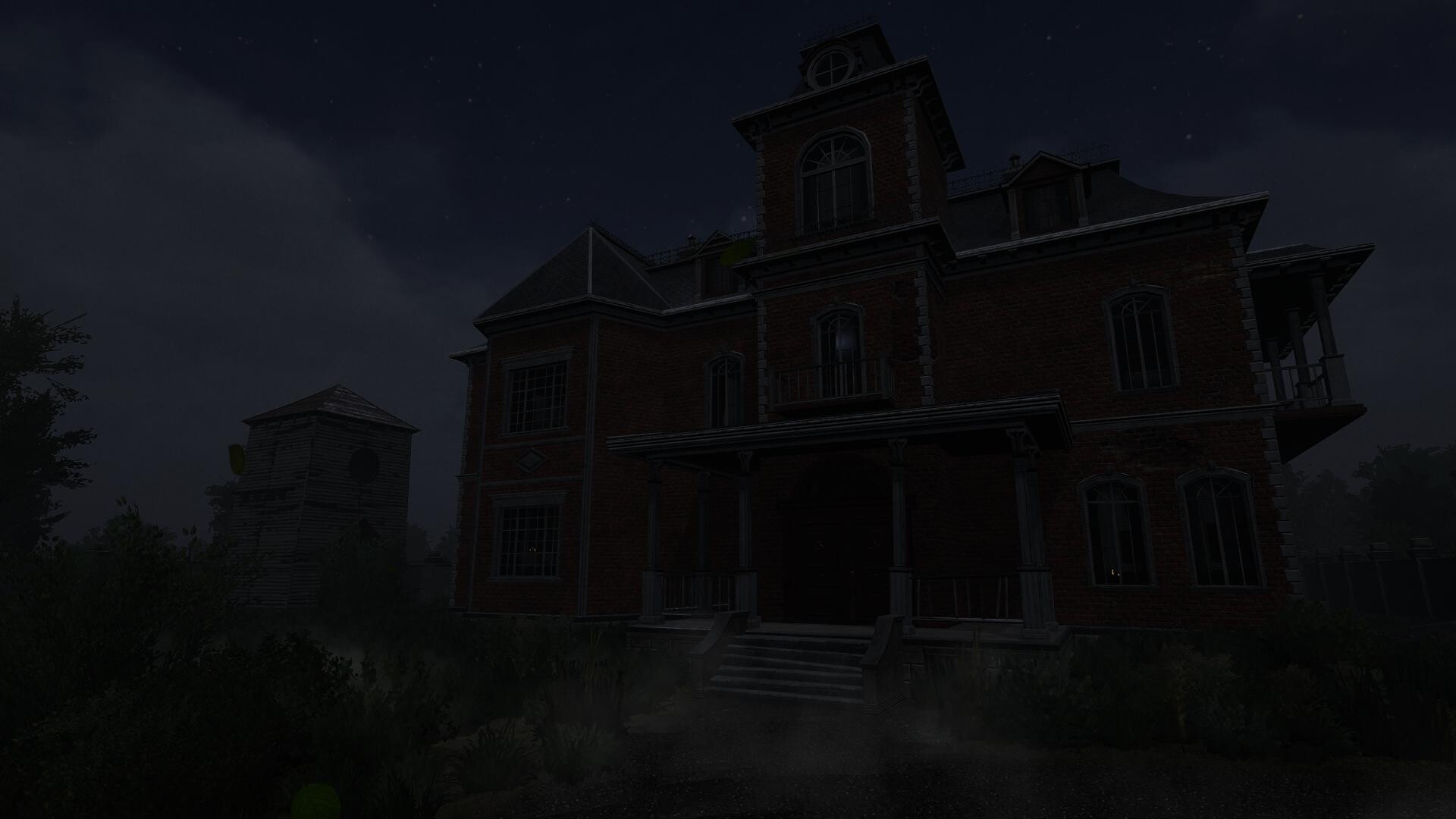
Trace of the Villa centers on Jin, an investigator following a lead to a deliberately forgotten estate. According to the Steam description, the mansion’s evidence is clinical and unsettling: furnished rooms that feel “erased,” locked doors, hidden compartments, safes, encrypted documents, and financial records that point to falsified identities. Mechanically it sits in the Action / Adventure / Indie bands on Steam but is presented as a single-player, puzzle-and-investigation experience with subtitle options and accessibility features like “Playable without Timed Input” and customizable audio.
When and where
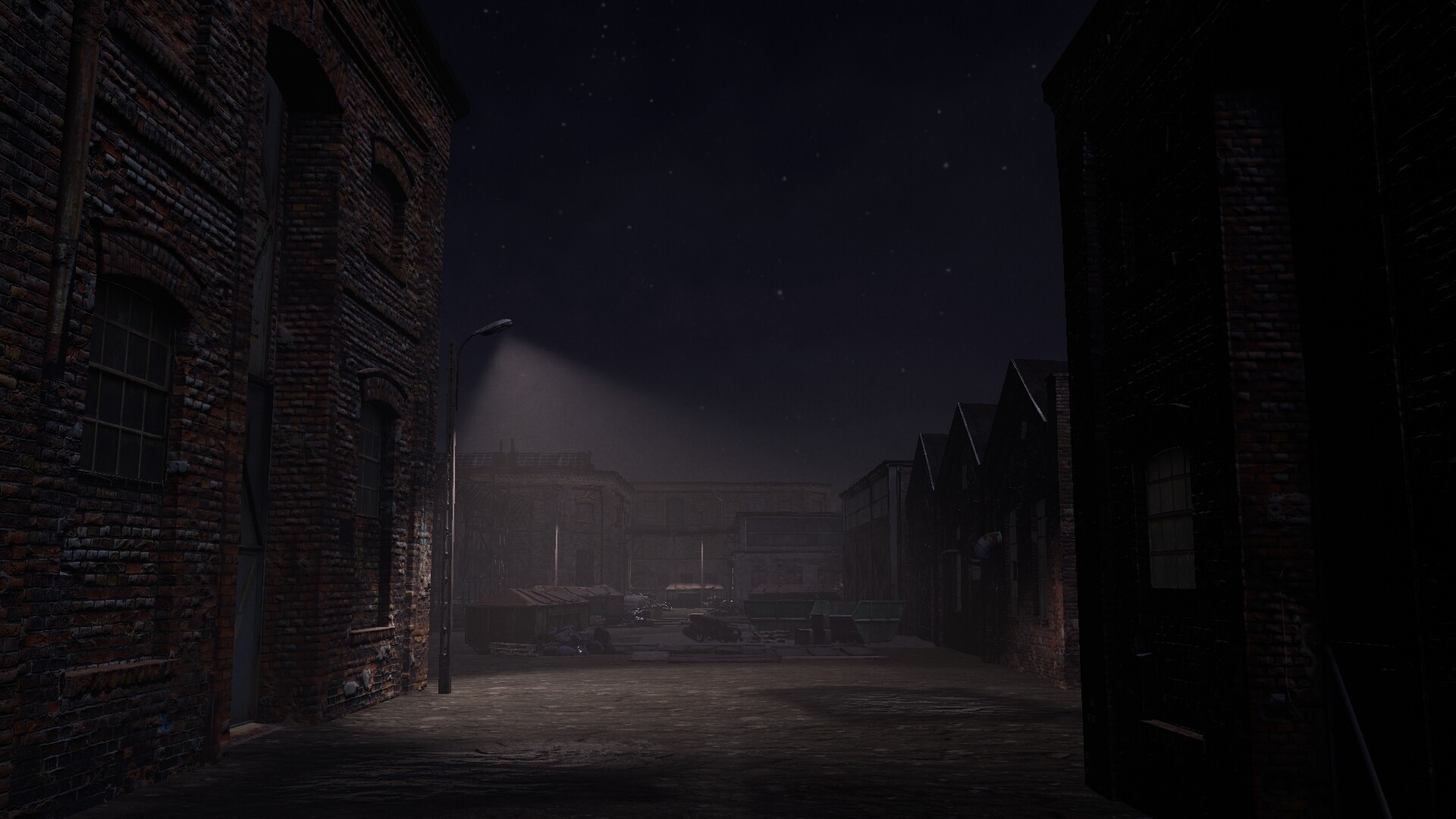
Trace of the Villa is available on Steam with a release date of 28 May, 2026. The Steam page lists the developer and publisher as Steadyturtle Co., Ltd., and the store listing includes a header and a set of screenshots that emphasize interior spaces and evocative lighting.
Why the mansion mystery theme matters
Mansion mysteries work well on PC when atmosphere and paced discovery carry the narrative. The Steam description for Trace of the Villa frames the house as a character: systems restored, secrets unsealed, and documentation that gradually reveals an organized, concealed operation. That emphasis — piecing together official systems and physical traces rather than relying only on jump scares or combat — will appeal to players who value psychological investigation and environmental storytelling.
How progression and clue-reading work
The official store description details the investigative loop: restore power, bring systems back online, unlock hidden compartments, open safes, and recover fragments of encrypted documents and transfer records. Puzzles are presented as forensic tasks embedded in the environment — decode fragments, follow financial or identity trails, and assemble a timeline. That structure suggests a clue-driven exploration design where the player advances by interpreting physical evidence and resolving layered puzzles rather than by reaction timing.
Who should wishlist or buy Trace of the Villa
Consider Trace of the Villa if you match one of these player scenarios:
- You’re drawn to slow-burn suspense and environmental storytelling over action-heavy combat sequences.
- You enjoy detective-style puzzle loops that require assembling documents, restoring systems, and interpreting clues rather than reflex-based challenges.
- You liked games where locations feel lived-in and unsettling — rooms frozen mid-routine, missing names or photos, and the suggestion of organized concealment.
- You prioritize accessibility and options (subtitles, custom volume controls, non-timed inputs) for a patient, methodical playstyle.
How Trace of the Villa compares to nearby mystery/adventure titles
Below is a compact editorial comparison focused on tone, puzzle focus, and pacing — not a ranking. These comparisons use public Steam descriptions for context.
| Title | Genre / Focus | Atmosphere / Tone | Puzzle / Exploration Style | Pacing / Player fit |
|---|---|---|---|---|
| Trace of the Villa | Action, Adventure, Indie | Decaying mansion; investigative, unsettling | Document fragments, restored systems, hidden compartments | Slow-burn; for clue-driven investigators |
| Amnesia: The Dark Descent | Action, Adventure, Indie | Immersive survival horror; oppressive dread | Environmental puzzles, stealth, survival mechanics | Intense, fear-focused; for players who want high-tension immersion |
| SOMA | Action, Adventure, Indie | Sci-fi psychological horror; existential tone | Exploration-driven puzzles, narrative choices | Measured, story-heavy; for players who want philosophical horror |
| Layers of Fear (2016) | Adventure, Indie | Psychological, shifting Victorian mansion | Walking puzzles, changing environments tied to story | Atmospheric and disorienting; for players who like narrative surrealism |
| The Room | Adventure, Indie | Mysterious, contained puzzles in a single focused setting | Mechanical puzzle boxes and tactile problem solving | Compact, puzzle-first; for players who favor tactile riddles |
| Rusty Lake Hotel | Adventure, Indie | Dark, surreal, vignette-based atmosphere | Point-and-click puzzles across short scenarios | Short-form, puzzle-driven; for players who like episodic oddities |
If you prefer direct survival/stealth pressure, titles like Amnesia or SOMA skew harder toward terror and threat management. If you prefer tight mechanical puzzles, The Room offers a focused, tactile experience. Trace of the Villa sits between these poles: it emphasizes forensic reconstruction and narrative puzzle layers in a mansion setting rather than sustained survival mechanics or isolated lockboxes alone.
Where to find trailers and gameplay
Search for trailers and gameplay footage on YouTube: YouTube: Trace of the Villa trailer & gameplay. This is a discovery path rather than an assertion of an official channel.
Steam link
Final considerations and recommendation
Trace of the Villa will appeal most to PC players who enjoy slow, clue-led mansion mysteries with layered narrative puzzles and a focus on environmental evidence. The Steam listing and official descriptions emphasize restoration of systems and document-driven discovery — elements that reward patient players who appreciate methodical investigation and atmospheric tension more than fast-paced combat.
Referenced titles and trademarks are the property of their respective owners. Comparisons in this article are editorial discovery only and not endorsements or claims of affiliation.
Leave a Reply