Trace of the Villa: how clue-reading, object logic and story puzzles shape a slow-burn mansion mystery
Trace of the Villa puts you in the shoes of Jin, a man following fading leads to a remote, decaying mansion where recovered manifests hint his missing sister may still be alive. The game pairs environmental storytelling and document-based clues with locked rooms and restored systems to create a deliberately paced, narrative puzzle adventure.

Quick facts
| Title | Trace of the Villa |
|---|---|
| Developer / Publisher | Steadyturtle Co., Ltd. |
| Release date | 28 May, 2026 |
| Genres | Action • Adventure • Indie |
| Steam categories | Single-player; Color Alternatives; Custom Volume Controls; Playable without Timed Input; Subtitle Options; Family Sharing |
| Steam page | Open Trace of the Villa on Steam |
| Steam reviews | No user reviews on Steam at time of writing. |
Who is this for?
If you enjoy atmospheric mystery adventure on PC and favor story-first puzzle design over twitch action, Trace of the Villa is aimed squarely at that crowd. Players who like slow-burn suspense, close reading of documents and manifests, and puzzles that emerge logically from found objects and rebuilt systems will find the game’s pacing and tone a natural fit. Given the Steam categories, it’s also accessible to players who prefer optional accessibility features like subtitle options and custom volume controls.
What the game is (and what it is not)
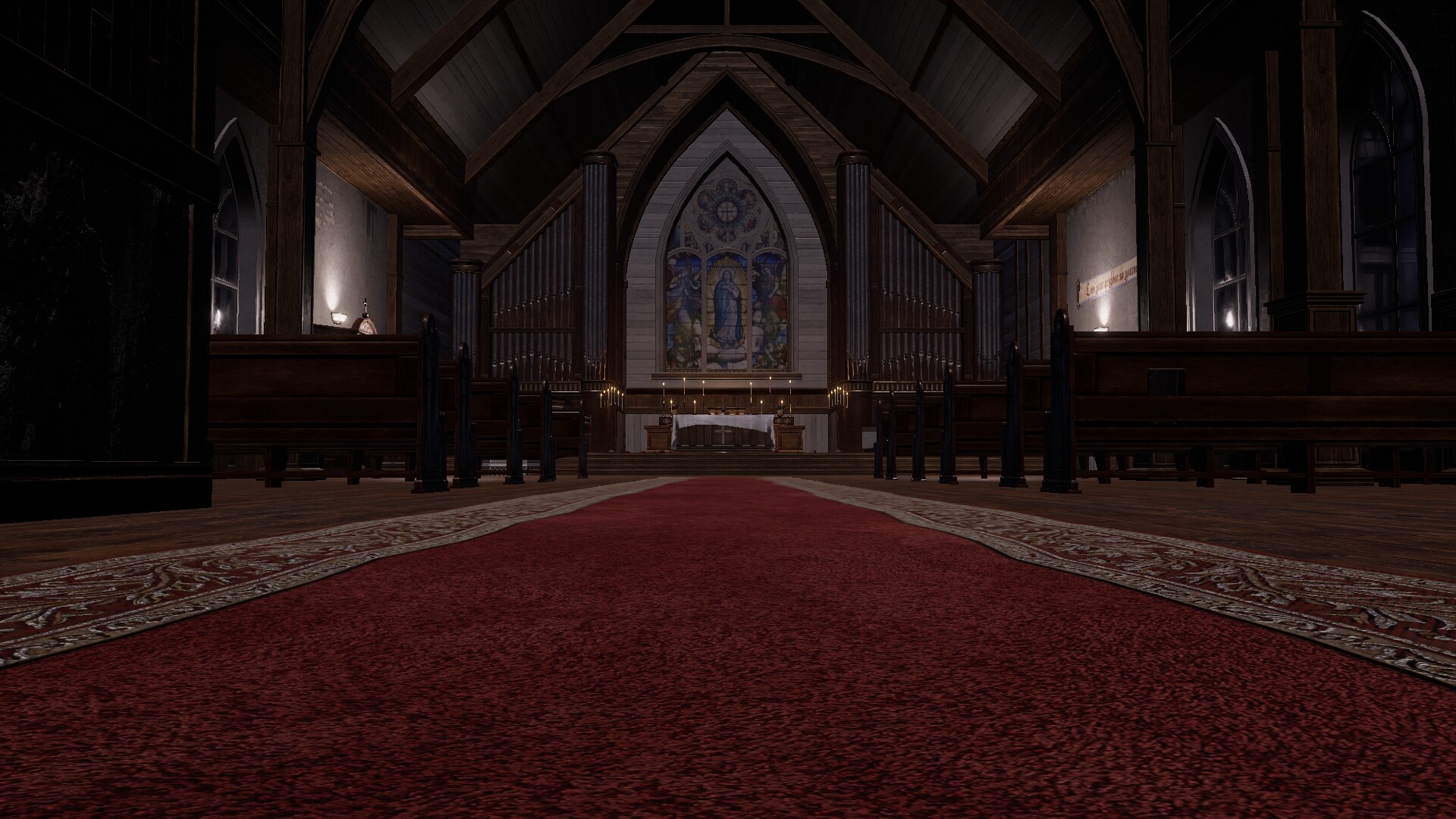
Officially described on Steam, Trace of the Villa follows Jin as he investigates a mansion that appears to have been deliberately erased of identity—rooms frozen mid-routine, locked doors, encrypted documents and suspicious transfer records. The game frames its puzzles within an investigative arc: restore power, bring systems back online, open hidden compartments and assemble a timeline from fragments. It’s an environmental, document-led mystery rather than a fast-paced action thriller; the emphasis is on clue reading and piecing together a concealed operation.

When and where
Trace of the Villa released on Steam on 28 May, 2026. It’s listed on Steam for PC with the developer and publisher credited as Steadyturtle Co., Ltd. The Steam page lists standard single-player and accessibility-related categories.
Why the theme matters
Thematic focus on erasure—identities removed, records falsified, people moving under strict control—changes how puzzles function. Clues are not decorative; they are narrative building blocks. Solving a lock or decrypting a document doesn’t just open a door mechanically, it reintroduces a missing detail into a gradually reconstructing timeline. For players interested in psychological investigation and atmospheric mystery adventure, that coupling of mechanical puzzle reward and story progression makes each solution feel consequential.
How clue reading and object logic shape progression
Trace of the Villa structures progress around a few concrete patterns that matter for player experience:
- Document-first clues: manifests, encrypted transfers and fragments recovered from safes are intended to be read and connected. Expect narrative payoff from careful note-taking and cross-referencing.
- Object logic: physical objects in rooms—locked safes, hidden compartments, powered systems—are integrated with the story. The game encourages understanding objects as evidence, not just keys.
- Restoration as reveal: restoring power or systems is explicitly part of the official description; these actions unlock new puzzles and narrative layers rather than just changing lighting.
- Pacing matters: because the title leans into investigation, players who prefer methodical, clue-driven exploration will likely appreciate the steady cadence; those seeking constant action should be aware of a slower tempo.
Who should wishlist it — three player scenarios
- The meticulous detective: You enjoy reading recovered documents, mapping timelines, and deriving puzzles from forensic detail. Trace of the Villa places those elements at the center.
- The atmospheric explorer: You prize environment and mood—rooms that feel like fragments of lives interrupted and systems that, when restored, change the narrative landscape.
- The narrative-first puzzler: You prefer puzzles that reward understanding of story context rather than obscure logic jumps; the game’s object-integrated puzzles are designed with that player in mind.
How Trace of the Villa compares — editorial discovery
Below is a compact comparison using lawful editorial criteria: genre, atmosphere, puzzle focus, exploration style, story tone and pacing.
| Game | Puzzle focus | Atmosphere / Story tone | Exploration & pacing | Player fit |
|---|---|---|---|---|
| Trace of the Villa | Document-led clues, object logic, system restoration | Slow-burn mansion mystery; erased identities and concealed operations | Methodical, investigative progression; narrative reveals unlock new mechanics | Players who want narrative-first puzzles and environmental storytelling |
| The Room | Tactile lockbox puzzles with mechanical contraptions | Intimate, uncanny mystery focused on a contained location | Focused rooms and devices; puzzle-driven but short-form pacing | Players who enjoy object puzzles and tactile puzzle design |
| Unpacking | Object-placement as storytelling; inference from personal items | Quiet, domestic and reflective — story told through possessions | Relaxed, non-timed progression; object logic tied to life history | Players who prefer zen puzzle play with story revealed through items |
| Escape Simulator | Highly interactive, physics-enabled escape-room puzzles | Varied tones depending on room design; often playful or high-stakes | Hands-on, often faster pacing; supports solo and co-op interaction | Players who want tactile interaction and variable room designs |
YouTube discovery
Looking for trailers or gameplay videos? Use this YouTube search path to find community and developer clips: search Trace of the Villa trailer & gameplay on YouTube. This is a discovery link; specific videos may be official or community content.
<
Leave a Reply