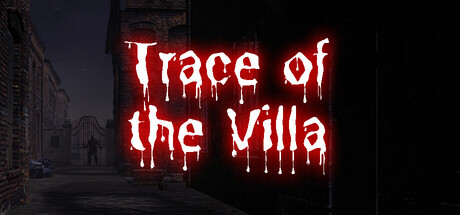
Trace of the Villa and the Case for Quiet, Sustained Unease
Trace of the Villa trades jump scares for slow-burn atmospheric suspense: a decaying mansion where the traces of people remain while names and photographs have been stripped away. In a market saturated with shock tactics, Steadyturtle Co., Ltd.’s new Steam release leans on unexplained spaces and identity erasure to build tension that lingers after you close the game.

Quick facts
| Title | Trace of the Villa |
|---|---|
| Steam App ID | 3483660 |
| Release date | 28 May, 2026 |
| Developer / Publisher | Steadyturtle Co., Ltd. |
| Genres | Action, Adventure, Indie |
| Categories | Single-player; Color Alternatives; Custom Volume Controls; Playable without Timed Input; Subtitle Options; Family Sharing |
| Short premise | Jin searches a remote, decaying mansion for clues that his missing sister may still be alive, uncovering erased identities and hidden systems as power is restored. |
Who, what, when, where, why, and how
Who is this for?
Players who prefer methodical, clue-driven exploration and a narrative puzzle design that rewards patience over reflexes. If you enjoy story-rich adventure with a psychological investigation bent and environmental storytelling that relies on implication rather than exposition, Trace of the Villa is aimed at you.
What is the game?
Trace of the Villa is an atmospheric mystery adventure on Steam that centers on Jin, a protagonist following leads to a remote mansion. Inside the estate, furnishings suggest interrupted lives but photographs, names, and histories have been removed — a premise built around identity erasure and institutional concealment rather than obvious monster set-pieces.
When and where can you play it?
The game launched on Steam on 28 May, 2026. It appears on the Steam store with single-player support and accessibility-friendly options like subtitle toggles and custom volume controls.
Why the quiet tension matters more than shock tactics
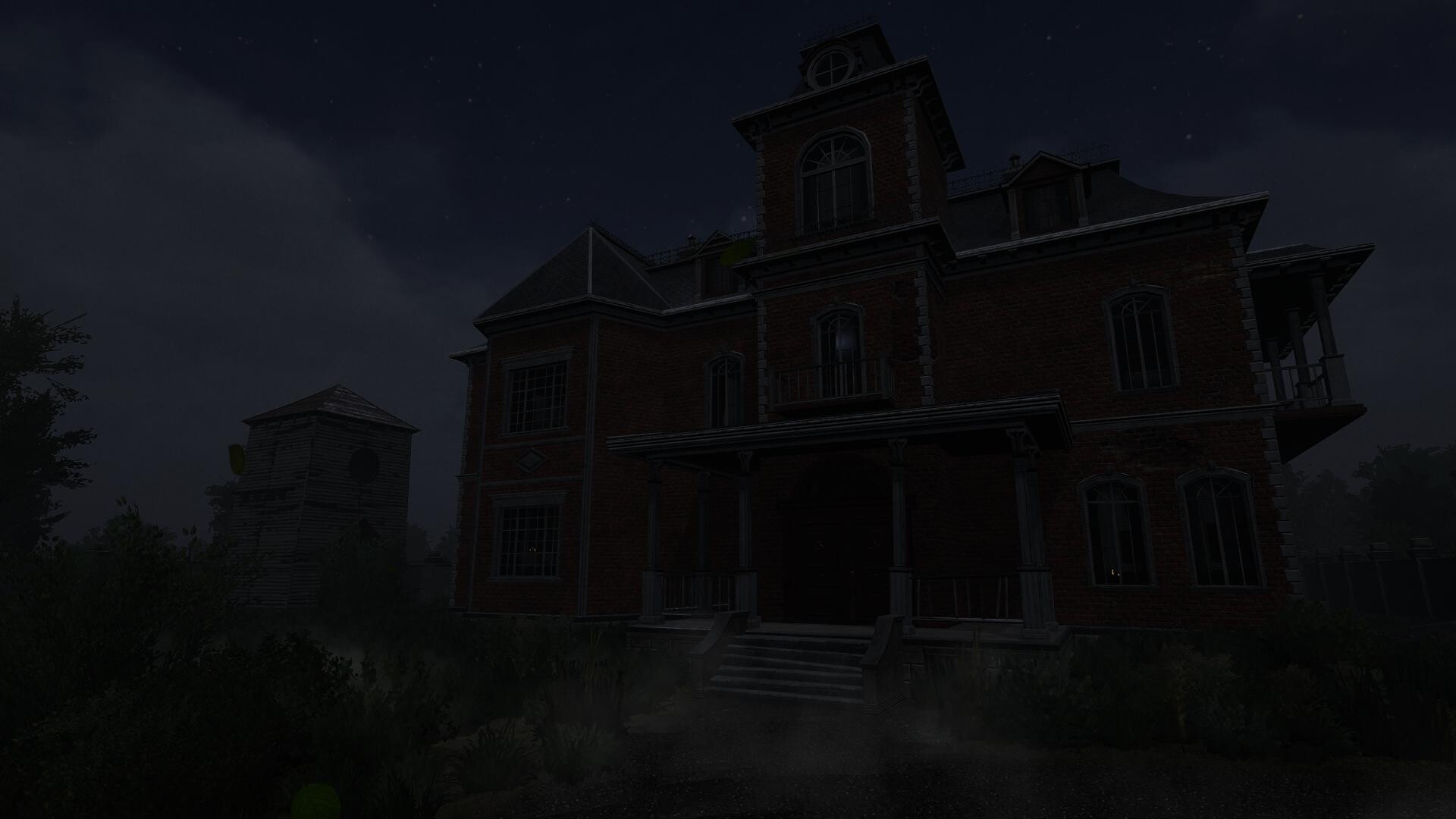
Trace of the Villa emphasizes atmosphere: rooms staged as if abandoned mid-routine, secured systems that only reveal themselves when power returns, and encrypted fragments that suggest falsified identities and movement without records. That gradual accumulation of anomalies forces players to imagine what isn’t shown, an emotional space where uncertainty becomes the primary unsettling element. That kind of dread often outlives a jump scare because it implicates the player’s imagination.
How you read clues and progress
Progress is rooted in environmental investigation and puzzle resolution. Restoring power, unlocking hidden compartments, opening safes and decoding fragments are explicitly part of the official premise; each solved puzzle opens another layer of the mansion’s operations — financial trails, falsified identities, and arrivals and departures that leave no official trace. The gameplay loop, as described on Steam, rewards lateral thinking and careful observation rather than twitchy survival mechanics.
Official screenshots

Player scenarios — decide if this is for you
Scenario A — The methodical investigator
You prefer to catalogue evidence, return to earlier rooms with new tools, and piece together a timeline from fragments. The mansion’s erased records and falsified transfers are the exact hooks that will keep you engaged.
Scenario B — The atmosphere-first player
Your enjoyment comes from lingering in spaces that feel lived-in and wrong. If the idea of rooms staged mid-action and slow revelations about institutional secrecy appeals, the game’s emphasis on unexplained spaces suits your taste.
Scenario C — The action-leaning player
The game is listed under Action and Adventure, but the official description stresses investigation and environmental puzzles over spectacle. If you primarily want fast-paced combat or frequent shock moments, this might not align with your expectations.
How Trace of the Villa compares (editorial discovery)
Below is a compact editorial comparison against nearby titles that players often search for when shopping for psychological or atmospheric horror on PC. This comparison focuses strictly on atmosphere, exploration and puzzle emphasis, story tone, and pacing.
| Title | Release | Primary atmosphere / tone | Exploration / puzzle style | Pacing / player fit |
|---|---|---|---|---|
| Trace of the Villa | 28 May, 2026 | Mansion mystery with identity erasure and institutional concealment | Clue-driven, environmental puzzles; restoring systems, opening safes, decoding fragments | Slow-burn; favors methodical players seeking narrative unraveling |
| Amnesia: The Dark Descent | 8 Sep, 2010 | Immersive first-person horror that emphasizes fear and helplessness | Exploration-focused with physics puzzles; emphasis on atmosphere and vulnerability | Intense immersion; suits players who want constant dread and resource tension |
| SOMA | 21 Sep, 2015 | Sci‑fi horror that foregrounds existential questions | Environmental puzzles and story-driven exploration beneath the waves | Slow, contemplative; best for players who value narrative and philosophical unease |
| Layers of Fear (2016) | 15 Feb, 2016 | Psychological horror centered on atmosphere and a shifting Victorian mansion | Exploration and puzzle elements tied to a changing environment | Psychological, art-driven pacing; recommended for atmosphere-focused players |
| Poppy Playtime | 12 Oct, 2021 | Horror/puzzle adventure in an abandoned factory with toy-themed antagonists | Puzzle mechanics using the GrabPack to manipulate environment and circuits | More mechanical/puzzle-forward and episodic; fits players who like gadget-based puzzles |
Leave a Reply