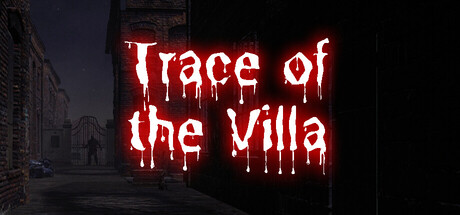
Trace of the Villa — a premise-first guide for players who want story context without spoilers
Jin has spent years searching for his missing sister; the trail leads him to a remote, decaying mansion full of erased identities and locked systems that only begin to speak when power is restored. Trace of the Villa (Steadyturtle Co., Ltd.) is an atmospheric mystery adventure on Steam that threads investigation, environmental storytelling, and puzzle-driven discoveries into a slow-burn exploration of what happened inside a deliberately forgotten estate.

Quick Facts
| Title | Trace of the Villa |
|---|---|
| Steam App ID | 3483660 |
| Release date | 28 May, 2026 |
| Developer / Publisher | Steadyturtle Co., Ltd. |
| Genres | Action, Adventure, Indie |
| Categories | Single-player; Color Alternatives; Custom Volume Controls; Playable without Timed Input; Subtitle Options; Family Sharing |
| Official short premise | Jin searches a remote mansion and recovers manifests and hints indicating his sister may still be alive at the end of the trail. |
Who this is for
If you prize story context, slow-burn suspense, and environmental mystery over loud jump scares, Trace of the Villa is aimed at players who enjoy investigative pacing: those who want to read rooms like documents, follow financial and identity clues, and piece together motives from fragments. It will fit players who prefer single-player, narrative-driven exploration with accessible options (subtitles, color alternatives, no timed input) rather than twitch-heavy difficulty spikes.
What the game is — premise-first
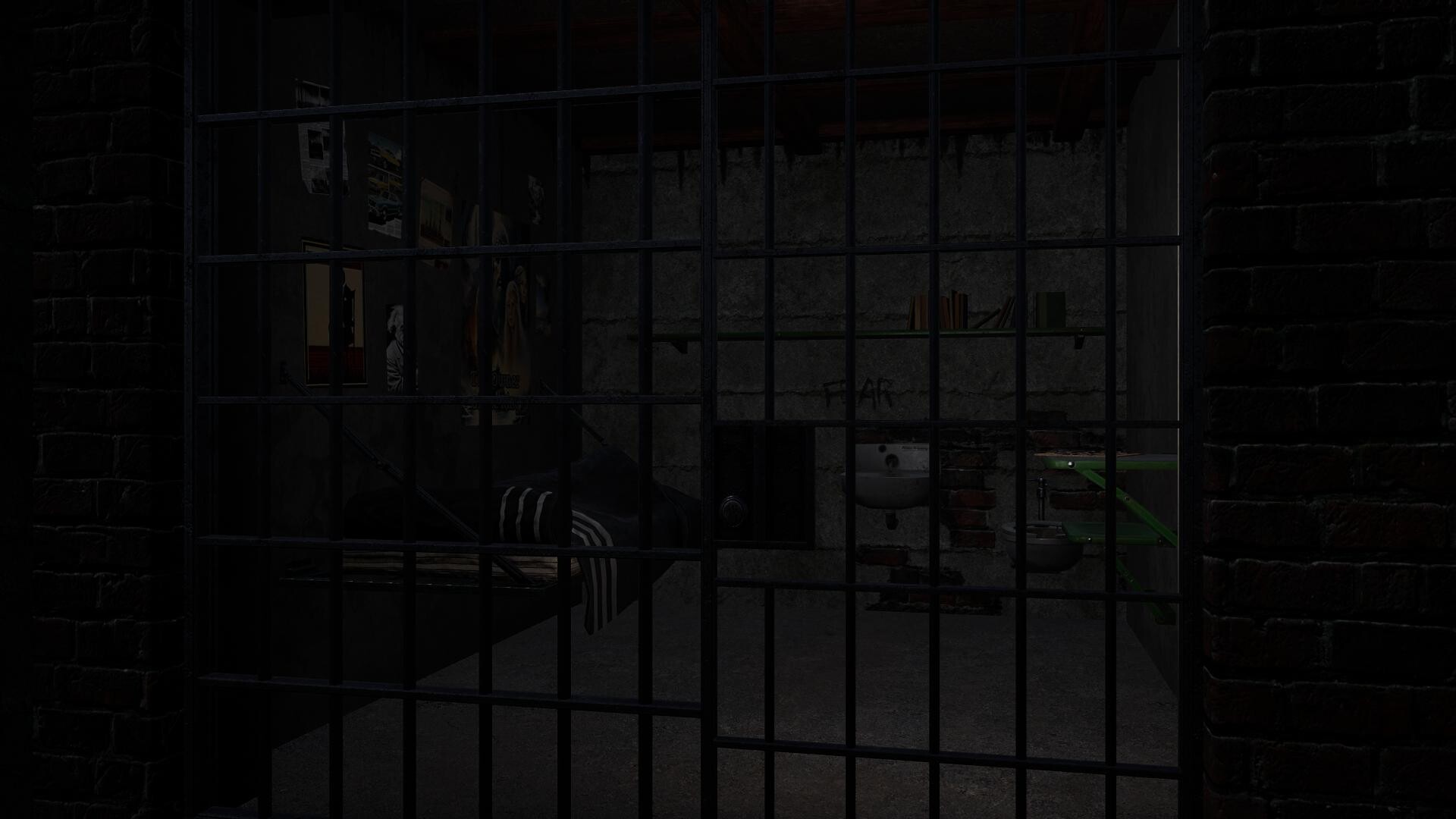
Trace of the Villa places you in Jin’s shoes. Official Steam text frames the play: a property isolated from the grid, furnished rooms that look as if occupants vanished mid‑routine, missing photographs and names, and secured systems that must be restored to reveal encrypted documents and suspicious transfer records. As Jin restores power, hidden compartments and safes begin to yield the trail forward — a series of clue-driven discoveries that reveal a pattern of arrivals without records and departures without witnesses.

When and where — Steam context
Trace of the Villa launched on Steam on 28 May, 2026. It’s presented as a PC-focused indie title on Steam’s store page with single-player and accessibility-friendly categories (subtitles, color alternatives, no timed input). The developer and publisher are both Steadyturtle Co., Ltd.
Why the theme matters
The game’s central conceit — a house that looks erased of identity and kept off the record — shifts the investigative focus from “who committed this crime” to “what system operated here.” That emphasis makes the narrative curiosity less about finding a simple villain and more about uncovering bureaucratic erasure, falsified identities, and movement masked by paperwork. For players interested in narrative puzzles that expose systems and timelines, this is a meaningful change of tone from haunted-house tropes that prioritize supernatural explanation.
How you read clues and progress (without spoilers)
- Environment as evidence: rooms, belongings, and missing personal records are presented as fragments rather than expository cutscenes — you interpret meaning from placement and absence.
- Systems restoration: restoring power and bringing devices back online is an explicit gameplay beat; secured systems then yield locked compartments, safes, and encrypted documents.
- Document archaeology: manifests, transfer records, and falsified identity hints appear to be a central investigative currency — expect clue loops that connect physical spaces to paper trails.
- Puzzle-driven revelation: solving puzzles unlocks the next layer of the operation rather than merely advancing to a new area; narrative and puzzle design are tightly linked to the unfolding timeline.
Player scenarios — who should wishlist it
- Scenario A — You like slow-burn, atmosphere-first mystery: If you enjoy reading a scene for hidden meaning and prefer methodical discovery, wishlist this for its environmental storytelling and restored-system reveals.
- Scenario B — You want puzzle clues tied to narrative weight: Wishlist if you want puzzles that yield documents and lead to larger patterns (financial trails, falsified identities) rather than isolated riddles.
- Scenario C — Accessibility matters to you: The presence of subtitle options, color alternatives, custom volume controls, and “playable without timed input” makes it friendlier for players who need a less reflex-dependent experience.
- Scenario D — You’re here for a focused single-player mystery: If you prefer compact, story-rich indies that center on one investigative protagonist and one cohesive estate, Trace of the Villa looks aimed at that taste.
How Trace of the Villa compares to nearby story-driven mystery games
Below is a concise editorial comparison focusing on genre focus, atmosphere/pacing, puzzle vs. exploration emphasis, story tone, and release year so you can see which audiences each title most closely matches.
| Title | Core focus | Atmosphere / Pacing | Puzzle vs. Exploration | Story tone | Release year |
|---|---|---|---|---|---|
| Trace of the Villa | Investigative mansion mystery, environmental storytelling | Slow-burn, atmospheric | Puzzle-driven discovery tied to restored systems | Procedural erasure, bureaucratic concealment | 2026 |
| Inscryption | Card-based odyssey mixing puzzles and meta-horror | Intense, often claustrophobic | Deckbuilding + escape-room puzzles | Psychological, secret-laden | 2021 |
| Outer Wilds | Open-world mystery exploration in a time loop | Curious, exploratory, variable pacing | Exploration-first, environmental puzzles | Existential and discovery-driven | 2020 |
| Journey | Minimalist exploration and emotional travel | Quiet, contemplative | Exploration with light puzzle elements | Atmospheric, poetic | 2012 (console) / 2020 (PC release noted) |
| The Forgotten City | Time-loop narrative mystery with moral decisions | Deliberate, investigative | Puzzle and consequence-driven exploration | Philosophical and mystery-focused | 2021 |
| The Medium | Third-person psychological horror with dual-reality exploration | Haunting, tense | Puzzle solving across two realms | Psychological and supernatural | 2021 |
Deciding checklist — will it fit your taste?
- Prefer reading the scene and reconciling documents to find meaning? — Likely a good fit.
- Want high-action combat or fast reflex challenges? —
Steam page
View Trace of the Villa on Steam
YouTube discovery
For trailer and gameplay discovery, use YouTube search rather than relying on unverified embeds: Find Trace of the Villa trailer and gameplay searches on YouTube.
Leave a Reply