
Trace of the Villa: a story-first mansion mystery where clues restore more than power
Jin’s search for a missing sister leads him to a remote, decaying mansion full of manifests, encrypted fragments and signs that identities were deliberately erased — and Trace of the Villa asks players to read a house like a witness. The Steam release blends action‑adventure pacing with slow‑burn, clue-driven exploration: restore systems, open safes and follow financial and identity threads to discover what the estate was hiding.

What it is
Trace of the Villa (Steam appid 3483660) is presented on Steam as an Action / Adventure / Indie title developed and published by Steadyturtle Co., Ltd. The official short description frames the plot plainly: Jin has spent years searching for his missing sister, and a lead points him to a deliberately forgotten mansion where recovered manifests and hints suggest she may still be alive somewhere down the trail.
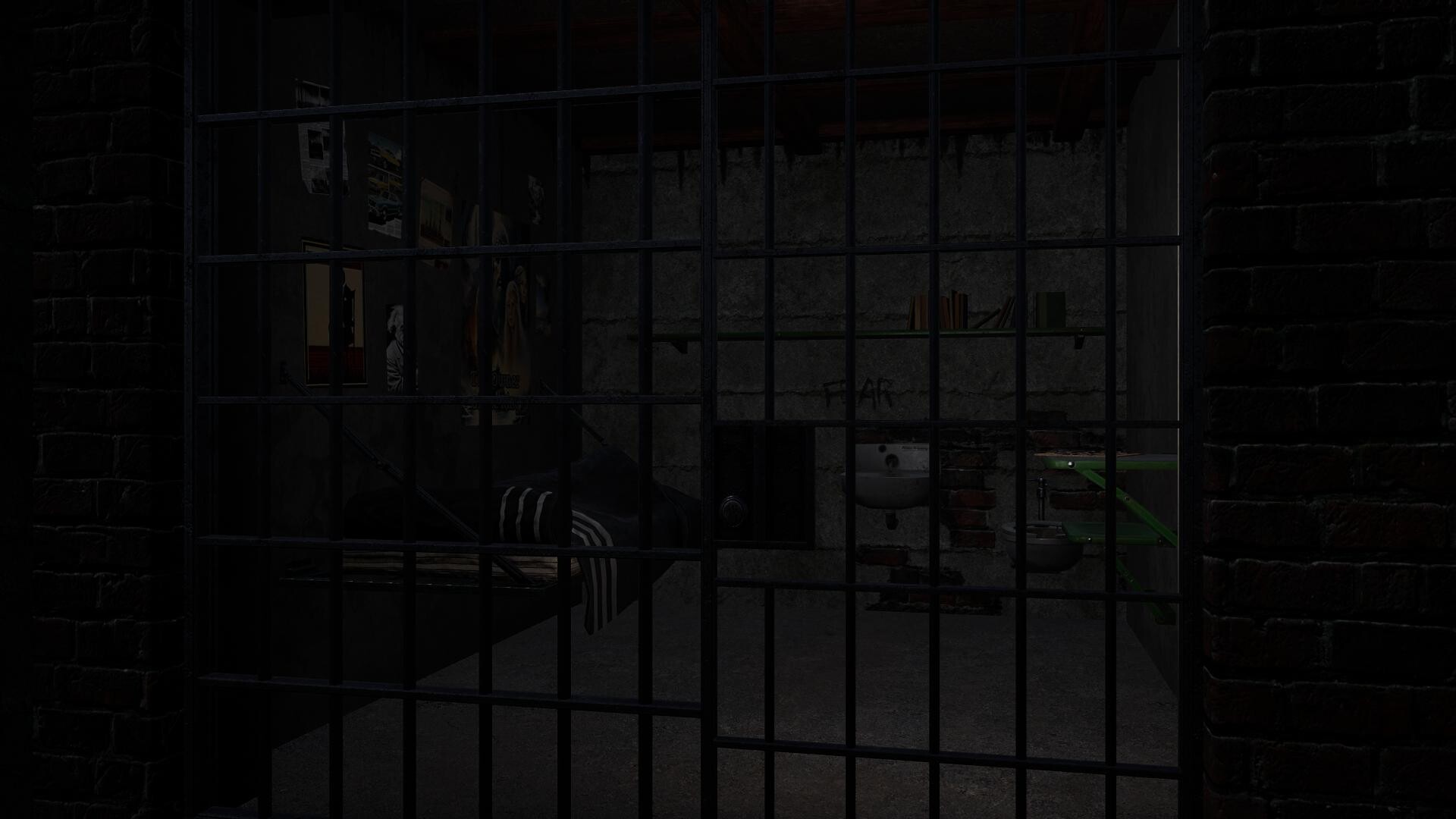
The fuller Steam description emphasizes environmental storytelling and investigative beats: rooms staged as if occupants vanished mid‑routine, missing names and photographs, locked doors and secured systems that reveal encrypted documents, suspicious transfer records and evidence of falsified identities as power is restored.
When and where
Trace of the Villa released on Steam on 28 May, 2026. It’s a PC/Steam indie release; the Steam store page lists categories that support accessibility and comfort options: Single‑player, Color Alternatives, Custom Volume Controls, Playable without Timed Input, Subtitle Options, and Family Sharing.
Who should wishlist this
This is for players who prioritize narrative curiosity over explicit exposition. If you enjoy slow‑burn suspense, environmental storytelling where each object is potentially a testimony, and methodical clue‑reading that moves a mystery forward, this will likely fit your tastes.
- Players who like investigative atmospheres and puzzle‑adjacent progression rather than constant combat spectacle.
- Fans of story‑first mysteries who want to follow financial and identity traces across an estate that feels purposefully erased.
- Those who appreciate accessibility options (subtitles, playable without timed input) and single‑player, atmospheric experiences on PC.
Why the theme matters
The Steam description makes an editorial choice worth noting: this mansion isn’t haunted in the usual way so much as deliberately anonymized. That design choice turns curiosity into a mechanic — every broken lock or powered terminal isn’t just a puzzle; it’s a narrative fragment. Restoring power brings secured systems back online; safes and hidden compartments yield fragmented documents and transaction records that map a clandestine operation rather than a single missing person incident. The theme pushes players to treat evidence like a map rather than a checklist.
How you uncover meaning — the investigative loop
Trace of the Villa structures discovery as an investigative loop grounded in environmental detail and system restoration. The official text highlights several concrete mechanics and beats you can bank on:
- Restoring power to the estate reactivates secured systems and reveals new lines of inquiry.
- Locked doors and hidden compartments open to reveal fragments — encrypted documents, manifests and suspicious transfer records — that must be assembled into a timeline.
- Evidence focuses on falsified identities, financial trails, and controlled movements through the property, so progression feels like assembling a forensic narrative rather than following a string of standalone puzzles.
The result is a narrative puzzle design that privileges deduction and pattern recognition over reflexive challenge: players read the scene, restore the infrastructure that holds clues, then translate fragments into context.

Player scenarios: when Trace of the Villa fits your playtime
- Evening investigator: You want an atmospheric, single‑player session where curiosity and observation dictate the pace. Expect slow, focused play focused on reading rooms and following paper trails.
- Accessibility‑conscious player: You rely on subtitle options and prefer no forced timed inputs — the Steam page lists both Subtitle Options and Playable without Timed Input.
- Story‑first explorer who tolerates action beats: The title is listed as Action and Adventure, so players should be prepared for some active mechanics blended with investigative pacing, rather than purely contemplative walking sims.
Quick facts
| Title | Trace of the Villa |
|---|---|
| Steam AppID | 3483660 |
| Developer / Publisher | Steadyturtle Co., Ltd. |
| Release date | 28 May, 2026 |
| Genres | Action, Adventure, Indie |
| Key Steam categories | Single‑player; Color Alternatives; Custom Volume Controls; Playable without Timed Input; Subtitle Options; Family Sharing |
| Official short description | Jin has spent years searching for his missing sister, pursuing leads that took him to a remote, decaying mansion where he recovered manifests and hints that indicate his sister may still be alive, somewhere at the end of the trail he is about to follow. |
How it compares — concise editorial discovery
Below is a compact editorial comparison focused on what matters to players who choose story‑first mysteries: tone, puzzle emphasis, and exploration style.
| Title | Genre / Tone | Puzzle / Mystery Focus | Exploration Style | Pacing / Player Fit |
|---|---|---|---|---|
| Trace of the Villa | Action, Adventure, Indie — mansion mystery, slow‑burn suspense | Clue‑driven: power restoration, encrypted fragments, financial/identity trails | Room‑by‑room forensic reading; staged interiors and locked systems | Methodical; for players who prefer narrative assembly and environmental testimony |
| Inscryption | Adventure / Indie — dark, card‑based psychological horror | Puzzles embedded in cards and meta‑structures; emergent secrets | Hybrid: card table + escape‑room style scenes | Layered reveal; for players who like meta‑mysteries and puzzle hybrids |
| Outer Wilds | Action / Adventure — cosmic exploration and systemic mystery | Puzzle through environmental systems and discovery across a solar system | Open, systemic exploration with non‑linear discoveries | Expansive and patient; for players who enjoy piecing timelines from world behaviour |
| The Forgotten City | Adventure / Indie / RPG — narrative time‑loop mystery in a historical setting | Philosophical puzzles, moral choices and trial‑and‑error investigation | Looped, focused area exploration to uncover causes and consequences | Structured mystery; for players who like narrative mechanics that change outcomes |
| The Medium | Adventure — psychological horror with dual‑reality exploration | Investigative beats tied to confronting echoes of trauma and spirit‑realm puzzles | Dual‑world navigation and juxtaposed environments | Atmospheric and tense; for players drawn to psychological themes and layered realities | Steam page
Leave a Reply