
Trace of the Villa — a clue-driven mansion mystery for patient puzzle players
Trace of the Villa puts you in Jin’s search for his missing sister inside a remote, decaying mansion, where recovered manifests and fragmented hints suggest she may still be alive. The game trades action-heavy beats for a slow-burn, investigative pace that asks you to read environments, parse documents, and follow logical object interactions to uncover layers of a hidden operation.

Quick facts
| Title | Trace of the Villa |
|---|---|
| Release date | 28 May, 2026 |
| Developer | Steadyturtle Co., Ltd. |
| Publisher | Steadyturtle Co., Ltd. |
| Genres | Action; Adventure; Indie |
| Steam categories / features | Single-player; Color Alternatives; Custom Volume Controls; Playable without Timed Input; Subtitle Options; Family Sharing |
| Steam page | Trace of the Villa on Steam |
Who is this for?
If you prefer atmospheric mystery adventures that emphasize environmental storytelling and puzzle logic over combat and twitch reflexes, Trace of the Villa is aimed squarely at you. Players who enjoy cataloguing clues, cross-referencing documents, and following a deliberate trail of cause-and-effect to reconstruct events will find the pacing and emphasis here rewarding.
What the game is
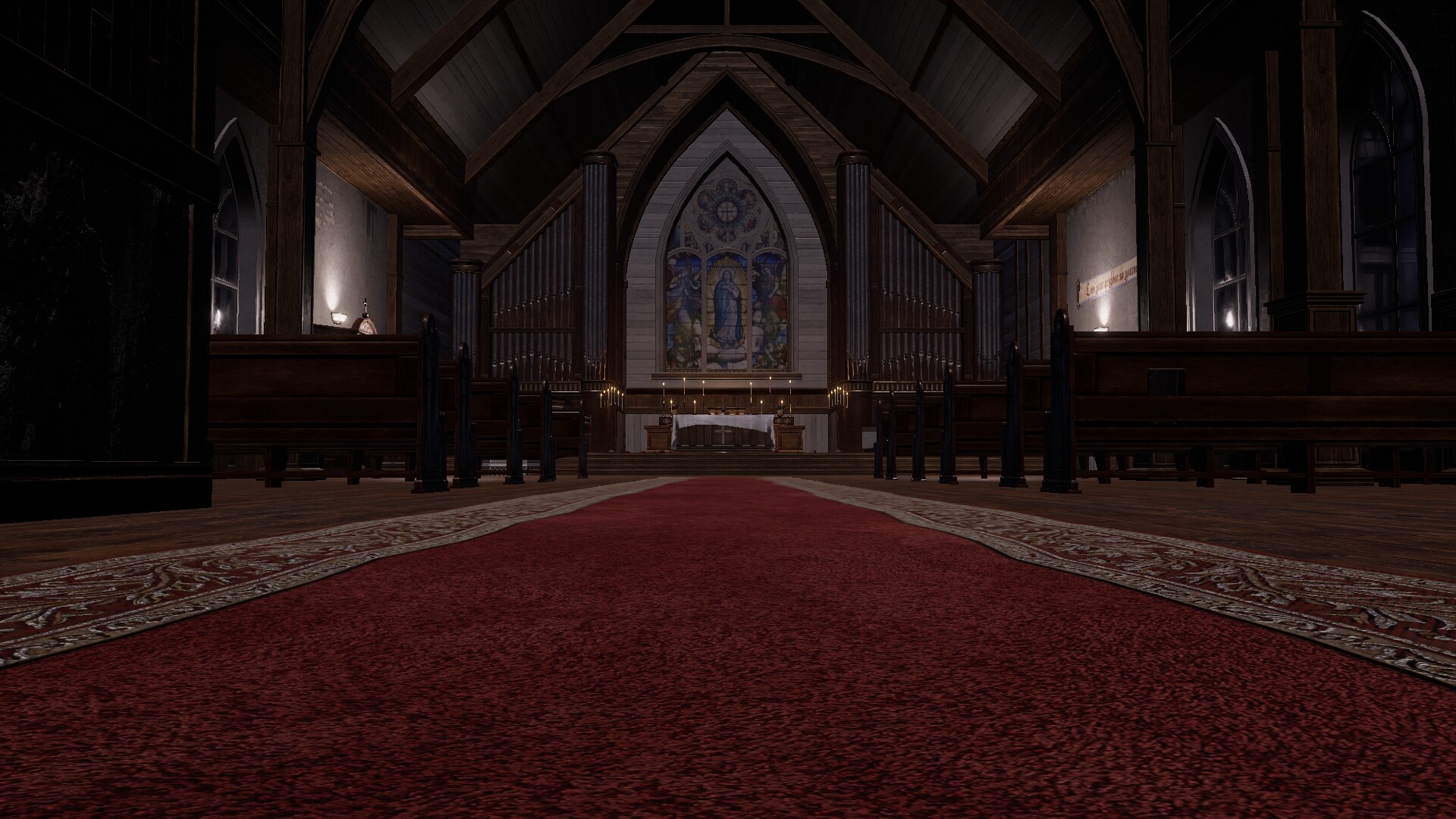
Trace of the Villa follows Jin as he investigates a property “cut off from the grid” where rooms appear frozen mid‑routine and identities seem purposefully erased. The house gradually reveals secured systems, hidden compartments, safes, and fragments of encrypted documents when power is restored — each solved puzzle uncovers another layer of a carefully concealed operation and the timeline that led people through this place.

When and where
Trace of the Villa released on Steam on 28 May, 2026. It’s presented as a single-player PC experience on Steam and lists accessibility options such as subtitle options, color alternatives, and controls that don’t require timed input — useful details for players who prefer deliberate, readable puzzles.
Why the theme matters
The missing‑sister premise and the mansion’s “erased” identities frame the game’s investigative tone: puzzles don’t exist as isolated brainteasers but as pieces of a human story. Financial trails, falsified identities, and travel records (narratively referenced on the Steam page) give each solved lock or recovered file emotional weight: you aren’t just opening a door, you’re revealing what happened to people who passed through this place.
How you progress — reading clues, object logic and story puzzles
The Steam description highlights practical progression beats you can expect: restoring power to the estate returns secured systems to life, hidden compartments unlock, and safes yield fragments of encrypted documents and suspicious transfer records. That sequence suggests a puzzle loop built around discovery, verification, and chaining evidence together:
- Observe: note omissions and out‑of‑place items in furnished rooms where “occupants vanished mid‑routine.”
- Recover: collect manifests, transfer records and encrypted fragments found in safes and hidden compartments.
- Cross‑reference: use discovered documents and on‑site systems to confirm timelines and identities; one clue opens the path to another.
- Verify: restored systems and unlocked storage often expose the next puzzle or a narrative reveal rather than direct combat or timed sequences.
Design choices listed on Steam — such as playable without timed input and subtitle options — underline a clue-driven, patience-friendly approach rather than action-heavy pacing.
Player scenarios — who should wishlist it
- The patient investigator: You enjoy methodical note‑taking, returning to previously sealed rooms after new tools or documents give you leverage, and solving puzzles that recontextualize earlier observations.
- The story-first player: You want the atmosphere and narrative clues to carry the experience; each solved puzzle should reveal pieces of a human story rather than simply unlocking new enemy encounters.
- The accessibility-minded puzzler: You appreciate subtitle options, color alternatives, and the ability to play without timed input — features that make slow, clue-centred gameplay more approachable.
How it compares to other puzzle/adventure games
Below is an editorial comparison focused on puzzle focus, atmosphere, pacing and player fit to help you decide whether Trace of the Villa aligns with your tastes.
| Title | Puzzle focus | Atmosphere / story tone | Pacing | Player fit |
|---|---|---|---|---|
| Trace of the Villa | Clue-oriented: manifests, encrypted fragments, restored systems and hidden compartments | Slow-burn mansion mystery; investigative and psychological | Deliberate; exploration-driven rather than action-packed | Players who like environmental storytelling and chaining evidence |
| The Room | Tactile mechanical puzzles and safes | Enclosed, uncanny, intimate puzzle box atmosphere | Measured and puzzle-centric | Fans of tactile, tightly focused puzzle challenges |
| The Room Two | Expanded mechanical puzzles with episodic set pieces | Mysterious and atmospheric with broader locales | Steady; puzzle set pieces alternate with exploration | Players who enjoyed The Room and want more variety in location and contraption design |
| Unpacking | Zen, object-placement puzzles that reveal life stories | Quiet, domestic and introspective | Gentle, relaxed | Players who prefer low-pressure, narrative-byYouTube discoveryFor trailer and gameplay discovery, use YouTube search rather than relying on unverified embeds: Find Trace of the Villa trailer and gameplay searches on YouTube. CommentsMore posts |
Leave a Reply