
Who should consider Trace of the Villa after enjoying atmospheric mystery adventures
Trace of the Villa drops you into Jin’s long hunt for his missing sister inside a deliberately forgotten, decaying mansion where recovered manifests and locked systems hint that the trail is not finished. If you prize environmental evidence, slow-burn investigation, and puzzle-led reconstruction of a vanished life, this Steam release is aimed squarely at that sensibility.

Quick facts
| Title | Trace of the Villa |
|---|---|
| Developer / Publisher | Steadyturtle Co., Ltd. |
| Release date (Steam) | 28 May, 2026 |
| Steam AppID | 3483660 |
| Genres | Action, Adventure, Indie |
| Notable categories | Single-player; Color Alternatives; Custom Volume Controls; Playable without Timed Input; Subtitle Options; Family Sharing |
What the game is
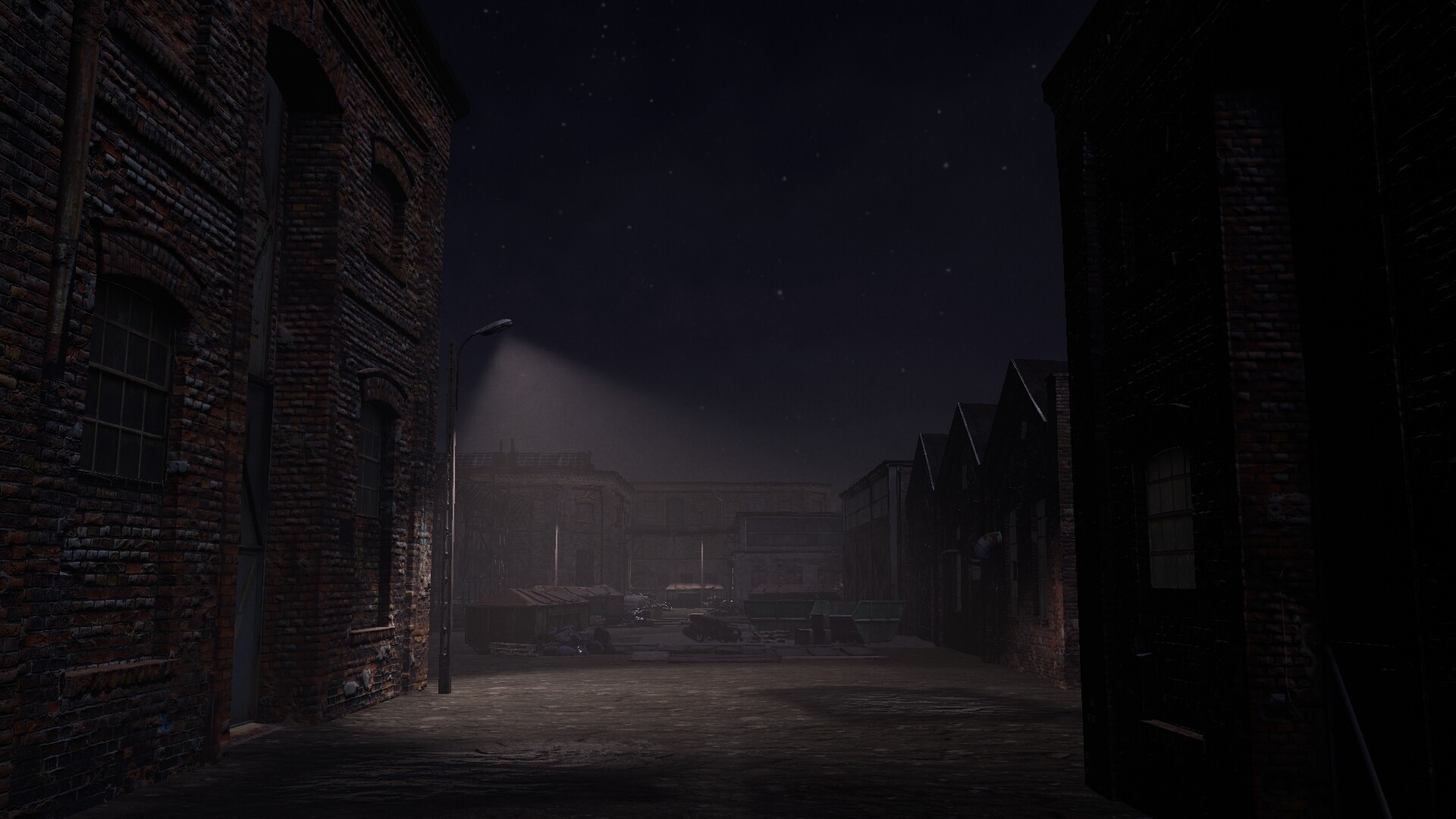
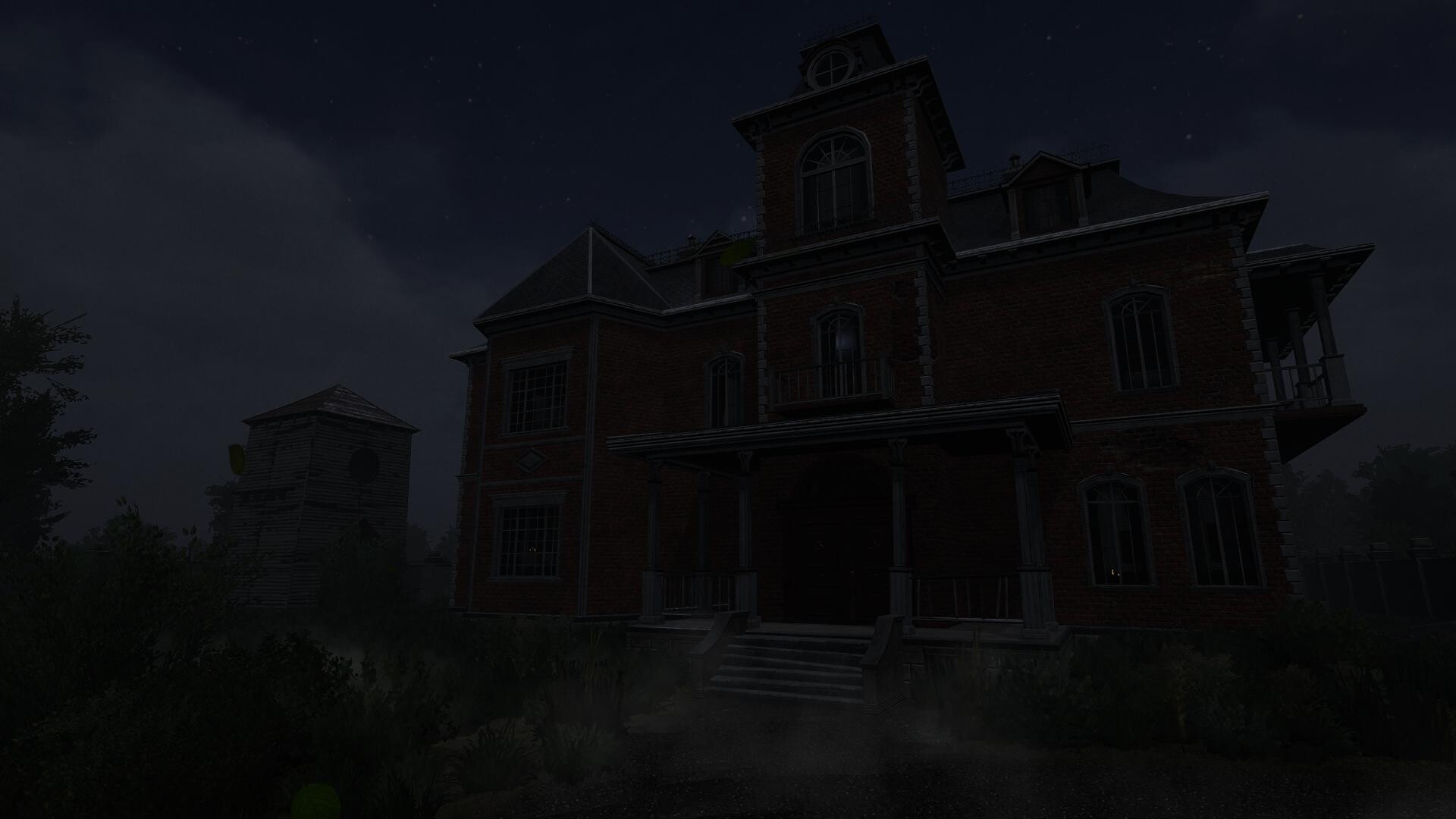
Trace of the Villa positions you as Jin, who follows a lead to a remote, cut-off mansion and recovers manifests and hints that his missing sister may still be alive. The estate is staged as if people vanished mid-routine: furnished rooms without photos or names, locked doors, hidden compartments and safes that reveal fragments of encrypted documents and suspicious transfer records. Restoring power to the house is itself a gameplay beat that lets systems come back online and secrets begin to surface.
Who it’s for
Trace of the Villa will appeal to players who:
- Prefer slow-burn suspense and atmospheric mystery adventure rather than constant action.
- Enjoy environmental storytelling and reading the scene for forensic clues — manifests, transfer records, locked safes and encrypted fragments.
- Like puzzle-driven progression tied to a narrative: unlocking systems and hidden compartments to reconstruct timelines and identities.
- Need accessibility options like subtitles, color alternatives, and no timed inputs.
When and where
Trace of the Villa is available on Steam for PC as of 28 May, 2026. The Steam page lists Steadyturtle Co., Ltd. as both developer and publisher and includes single-player and accessibility-focused categories that can matter for a relaxed, investigative playstyle.
Why the mansion and forensic curiosity matter
The game’s core is forensic curiosity: rooms that look lived-in but erased, falsified identities, and financial trails that go nowhere suggest an operation rather than an ordinary household. That framing turns exploration into evidence-gathering — every restored system or unlocked safe is another piece of the timeline. If you respond to environmental evidence more than jump scares, Trace of the Villa uses its mansion setting to make investigation feel methodical and personal.
How you progress — reading clues and moving the story
Progress in Trace of the Villa is tied to investigation beats described on the Steam page: restore power, reactivate secured systems, open hidden compartments, and decipher fragments from safes and encrypted documents. Those steps suggest a reading-and-assembly loop where environmental evidence, manifests, and records combine to push the timeline forward rather than action-heavy combat or timed sequences (the Steam categories explicitly note the game is playable without timed input).
Player scenarios — who should wishlist this now
- Scenario: You loved atmospheric mansion investigations where the house itself tells the story. If you enjoyed spending time reconstructing scenes and timelines, add this to your wishlist.
- Scenario: You prefer narrative puzzle design to twitch reflexes. With “playable without timed input” and custom volume and subtitle options, the title supports careful, accessible play.
- Scenario: You enjoy methodical detective work — cataloging manifests, following financial threads, and solving compartment puzzles to reveal context.
- Scenario: You’re coming from story-focused indie adventures and want a title that foregrounds environmental evidence over overt horror set-pieces.
How Trace of the Villa compares to nearby mystery and puzzle titles
Below is an editorial comparison that focuses on atmosphere, puzzle style, exploration, story tone, and pacing rather than claims of quality or popularity.
| Title | Genre / Focus | Atmosphere & Pacing | Puzzle / Exploration Fit |
|---|---|---|---|
| Trace of the Villa | Action, Adventure, Indie (Steam) | Slow-burn mansion mystery; investigative and forensic tone | Clue-driven: restore systems, open safes, read manifests and encrypted fragments |
| Amnesia: The Dark Descent | Action, Adventure, Indie | Immersive, sustained tension and horror; faster escalation | Exploration with survival/horror mechanics; stronger emphasis on fear-driven pacing |
| SOMA | Action, Adventure, Indie | Sci‑fi, existential mood with atmospheric dread; story-heavy | Exploration and narrative puzzles inside enclosed, system-driven environments |
| Layers of Fear (2016) | Adventure, Indie | Psychological mansion setting with a focus on subjective atmosphere | Room-based puzzles and storytelling that shift environment to reveal narrative |
| The Room | Adventure, Indie | Concentrated mystery in single-location puzzle boxes; focused and tactile | Lock-and-mechanism puzzle design; short-form, tight puzzle loops |
| Rusty Lake Hotel | Adventure, Indie | Surreal, eerie and vignette-driven tone; compact chapters | Point-and-click puzzles across rooms with a puzzle-story link; puzzle-forward |
Editorial take: if you prefer measured reconstruction of events via environmental evidence and records, Trace of the Villa leans more toward investigative pacing than Amnesia-style survival horror or The Room’s short, mechanical puzzles. It sits comfortably for players who want narrative puzzle design grounded in forensic detail.
YouTube discovery
If you want trailer or gameplay clips, search YouTube for Trace of the Villa trailers and gameplay footage: YouTube search: Trace of the Villa trailer & gameplay. (Use this as a discovery path; individual videos should be verified for official status.)
Steam link
If this fits your tastes, wishlist or visit the Steam store page:
Disclaimer
Referenced titles and trademarks belong to their respective owners. Comparisons above are editorial discovery using public Steam descriptions and supplied reference data; they are not endorsements
Leave a Reply