
Rooms as Puzzle Spaces: How Trace of the Villa Uses Clues, Object Logic, and Story Puzzles
Trace of the Villa is an atmospheric mystery adventure that places a decaying mansion and its furnished-but-erased rooms at the center of a slow-burn, clue-driven investigation. Developed and published by Steadyturtle Co., Ltd., it tasks Jin with following manifests and hints inside an isolated estate to discover whether his missing sister might still be alive.

Who, What, When, and Where — quick facts
| Title | Trace of the Villa |
|---|---|
| Developer / Publisher | Steadyturtle Co., Ltd. |
| Release date | 28 May, 2026 |
| Steam appid | 3483660 |
| Genres | Action · Adventure · Indie |
| Key categories | Single-player · Color Alternatives · Custom Volume Controls · Playable without Timed Input · Subtitle Options · Family Sharing |
| Premise (official short description) | Jin has spent years searching for his missing sister… a remote, decaying mansion where he recovered manifests and hints that indicate his sister may still be alive, somewhere at the end of the trail he is about to follow. |
Why the mansion matters — rooms as story containers
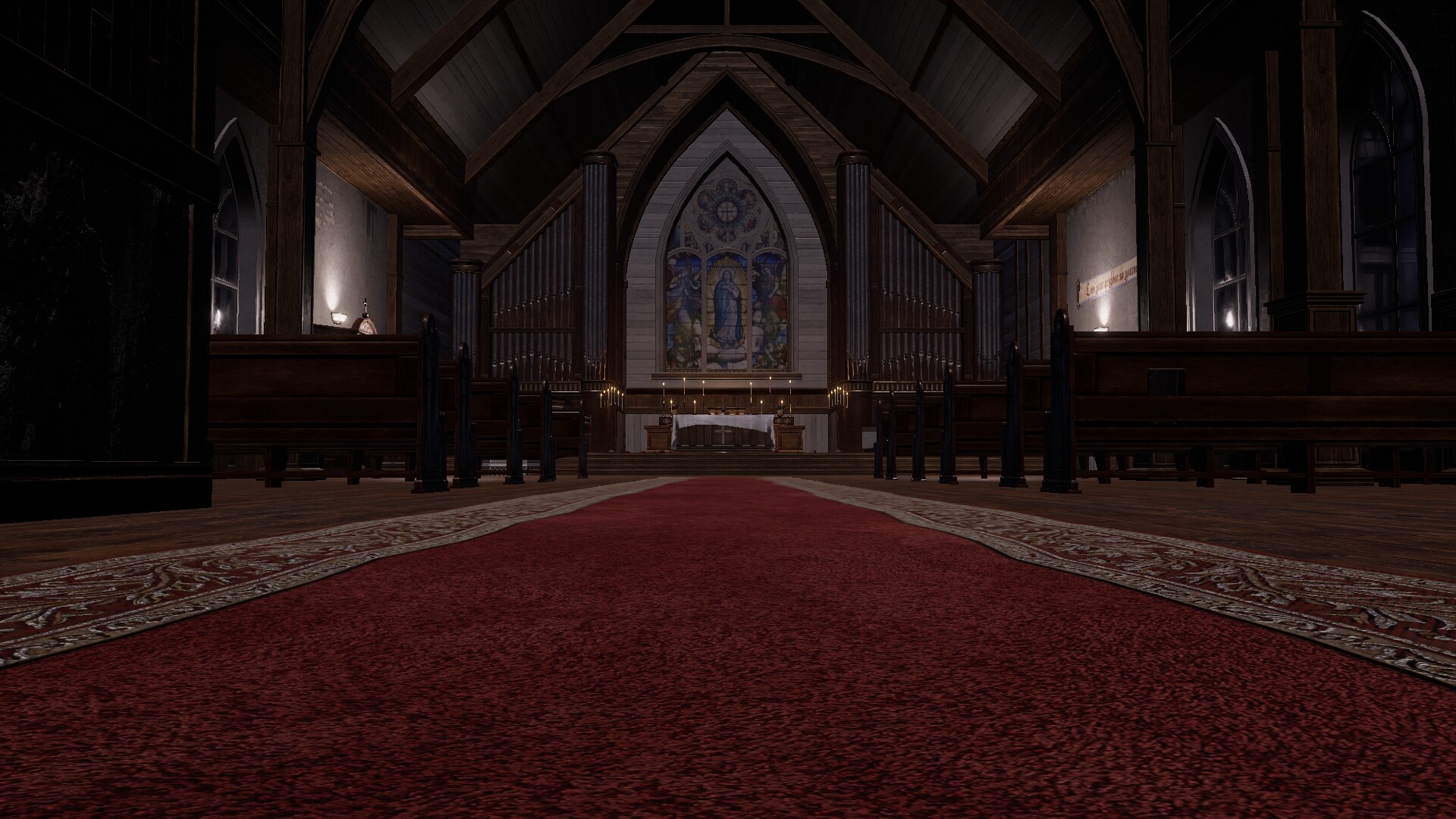
Trace of the Villa frames each room less as a simple backdrop and more as a compact narrative engine: furnishings frozen mid-routine, locked doors, and secured systems that unlock as Jin restores power. Because the official description emphasizes erased identities and deliberately scrubbed records, the rooms themselves become both the primary source of clues and the containers for the story — every desk, compartment, and safe holds fragments that stitch a larger timeline together.
How you progress — reading clues, object logic, and story puzzles
Progress in Trace of the Villa is presented as layered discovery. The official copy describes restoring power, reactivating secured systems, and uncovering encrypted documents and suspicious transfer records. That points to a design where players combine careful clue reading with object-based logic: a found ledger suggests a code, a powered terminal yields a key to a safe, a recovered manifest points toward a next room. Those interactions make each room a self-contained problem that also advances an overarching timeline.

Who should wishlist this on Steam?
- Players who like atmospheric mystery adventure and mansion mystery settings where exploration is tightly tied to narrative discovery.
- Fans of story-rich adventure games that favor clue-driven exploration over reflex-based encounters — the Steam page notes “Playable without Timed Input” and subtitle options for accessibility.
- Those who appreciate environmental storytelling: Trace of the Villa emphasizes erased identities, falsified records, and layered financial/personal evidence revealed through room-by-room investigation.
Player scenarios — how different players will experience the rooms
- Methodical investigator: You’ll spend time cataloguing artifacts in each room, cross-referencing manifests and encrypted fragments to unlock the next sealed area.
- Atmosphere-first player: The slow-burn suspense and furnished-but-abandoned spaces deliver mood even if you move deliberately; rooms act as mood pieces as well as puzzle arenas.
- Accessibility-minded player: With color alternatives, custom volume controls, and subtitle options listed on Steam, the game fits players who need those settings for comfort while exploring dense room layouts.
How Trace of the Villa compares to nearby puzzle-adventure styles
Below is a compact comparison to give readers a quick sense of where Trace of the Villa lands relative to other puzzle-led titles on Steam by genre, tone, puzzle focus, and player fit. Comparisons are editorial and drawn from public store descriptors.
| Title | Genre / Focus | Atmosphere & Pacing | Puzzle Style | Player fit |
|---|---|---|---|---|
| Trace of the Villa | Action · Adventure · Indie | Mansion mystery, slow-burn suspense; rooms reveal erased identities | Clue reading, object logic, encrypted documents, power/system restoration | Players who want story-rich, environmental puzzle investigation |
| The Room | Adventure · Indie | Isolated, focused, puzzle-box tension | Mechanical puzzle boxes and tactile object manipulation | Players who like tight, tactile single-room puzzles |
| Escape Simulator | Adventure · Casual · Indie · Simulation | Variable pacing; community-made rooms allow fast or social play | Highly interactive environmental puzzles; physics and object interactions | Players who enjoy hands-on object interaction and co-op or custom rooms |
| Unpacking | Casual · Indie · Simulation | Zen, reflective pacing; domestic atmosphere | Spatial, object-placement and life-clue reading | Players drawn to quiet, narrative-through-objects and domestic storytelling |
When and where to pick it up
Trace of the Villa is available on Steam with a release date of 28 May, 2026. The store page lists developer and publisher as Steadyturtle Co., Ltd. If the premise — searching a cut-off, decaying mansion and uncovering falsified identities and suspicious transfers — appeals to you, consider adding it to your wishlist on Steam.
View Trace of the Villa on Steam
YouTube discovery
If you want to see how the game looks in motion, search for trailers and gameplay footage at this YouTube discovery link (use as a search path; this is not a claim of an official video):
YouTube: Trace of the Villa trailer & gameplay search
Editorial wrap and reading advice
If you prize environmental storytelling and puzzle sequences that reveal narrative through objects and systems, Trace of the Villa is pitched precisely at that intersection: rooms operate as both puzzle spaces and story containers. If you prefer isolated puzzle-boxes or highly social escape-room play, the tone and pacing here — centered on restored systems and encrypted fragments — may feel more methodical and narrative-forward than mechanically frantic.
Disclaimer: Referenced titles and trademarks are the property of their respective owners. Comparisons above are editorial discovery only and not endorsements.
Leave a Reply