
Trace of the Villa — a slow-burn mansion mystery for meticulous investigators
Jin’s search for his missing sister leads him to a remote, decaying mansion where recovered manifests and furtive hints suggest she may still be alive—somewhere at the end of the trail. Trace of the Villa pitches itself at players who prefer environmental storytelling, encrypted scraps, and layered, clue-driven exploration over jump scares or action setpieces.

Who, what, when, where, why, and how
Who is this for?
- Meticulous players who enjoy reading every document, cross-referencing scraps, and assembling timelines from small details.
- Lore readers who want a mystery that rewards patience and close attention rather than explicit exposition.
- Investigation fans who like restoration mechanics and procedural revelation—bringing systems back online to unlock new evidence.
What is the game?
Trace of the Villa is an action-adventure indie on Steam about Jin’s hunt for his missing sister. The premise centers on a remote, deliberately neglected mansion where the player finds manifests and other hints that build the case that the sister may still be alive. Inside, rooms look as if occupants vanished mid-routine; locked doors, concealed compartments, safes, and encrypted documents form the game’s core investigative beats.
When and where is it available?
Released on 28 May, 2026 on Steam. Developed and published by Steadyturtle Co., Ltd.
Why the theme matters
The mansion-as-archive conceit turns mise-en-scène into evidence. Rather than relying on overt narrative beats, Trace of the Villa uses environmental storytelling and recovered records—manifests, suspicious transfers, falsified identities—to hint at a larger, organized operation. For players who value inference and atmosphere, that approach makes the environment itself a detective partner.
How you read clues and progress
According to the official description, progression explicitly ties to restoration and discovery: when Jin restores power, secured systems come back online, hidden compartments unlock, and safes yield fragments of encrypted documents and suspicious transfer records. Each solved puzzle unveils another layer—financial trails that dead-end, falsified identities, and patterns of arrivals and departures—letting players piece together timelines from fragments rather than from a single narrated thread.

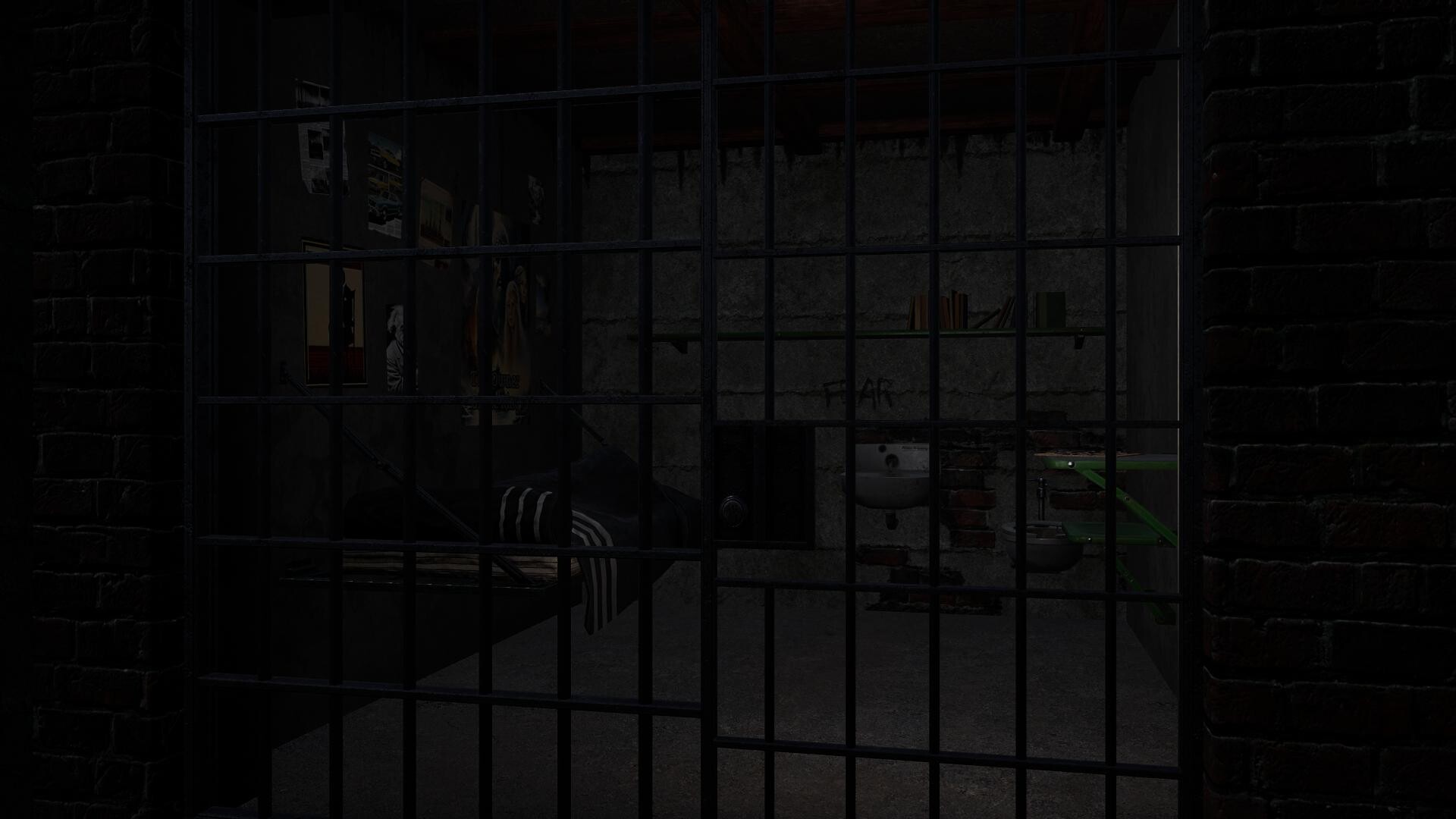
Compact facts — Trace of the Villa
| Title | Trace of the Villa |
|---|---|
| Release date | 28 May, 2026 |
| Developer / Publisher | Steadyturtle Co., Ltd. |
| Steam appid | 3483660 |
| Genres | Action, Adventure, Indie |
| Key categories | Single-player; Color Alternatives; Custom Volume Controls; Playable without Timed Input; Subtitle Options; Family Sharing |
| Official short description | Jin has spent years searching for his missing sister, pursuing leads that took him to a remote, decaying mansion where he recovered manifests and hints that indicate his sister may still be alive. |
| Steam page | Open Trace of the Villa on Steam |
Who should wishlist it? Player scenarios
Scenario: The archivist
If you keep notes, take screenshots, and create timelines from found documents, Trace of the Villa’s scattered manifests and encrypted fragments will reward you. Restoring systems and returning to previously explored rooms to see new evidence appear will feel productive rather than repetitive.
Scenario: The lore reader
Players who appreciate withheld exposition—little names removed from photographs, falsified identities, and suspicious transfer records—will enjoy reconstructing the mansion’s role in a larger, concealed operation. The game’s refusal to hand everything over immediately encourages careful reassembly of the story from artifacts.
Scenario: The methodical investigator
If you want puzzles that unlock narrative beats (power restoration that re-enables computers, safes that reveal encrypted clues), and an investigation that proceeds by accumulation of facts rather than sudden reveals, this aligns with that playstyle.
How Trace of the Villa compares (editorial discovery)
Below is a succinct editorial comparison focused on genre, atmosphere, puzzle focus, exploration style, story tone, and pacing. These comparisons are meant to help you judge fit, not to rank quality.
| Title | Primary genre / focus | Atmosphere & story tone | Puzzle / exploration style | Pacing / player fit |
|---|---|---|---|---|
| Trace of the Villa | Action / Adventure / Indie — mansion mystery | Slow-burn, investigative, forensic—rooms preserved as evidence | Clue-driven: restore systems, unlock compartments, decrypt fragments | Methodical players; lore readers; investigation fans |
| Inscryption | Adventure / Indie / Strategy — card-based odyssey | Dark, psychological horror woven through metafiction | Deckbuilding + escape-room puzzle framing | Players who like emergent secrets and mechanical twists |
| Outer Wilds | Action / Adventure — open-world mystery | Curious, cosmic, exploratory with a contemplative tone | Exploration-based discovery across a solar system; physics and observation | Explorers who enjoy environmental clues and non-linear discovery |
| The Forgotten City | Adventure / Indie / RPG — narrative-driven time-loop | Moral, investigative, puzzle-rich within a single mystery structure | Dialogue and time-loop mechanics to test hypotheses and consequences | Players who enjoy narrative puzzles and iterative problem solving |
| The Medium | Adventure — psychological horror | Haunted, introspective, and ghostly tonal duality | Puzzles split across two simultaneous realms (real and spirit) | Those who like atmospheric horror with parallel-reality mechanics |
| Journey | Adventure / Indie — evocative exploration | Poetic, minimalist, and emotional | Traversal and environmental signals rather than document-based puzzles | Players seeking mood-driven exploration and short-form experience |
YouTube discovery
YouTube discovery
For trailer and gameplay discovery, use YouTube search rather than relying on unverified embeds: Find Trace of the Villa trailer and gameplay searches on YouTube.
Leave a Reply