
Trace of the Villa — where locked-room thinking, object clues and puzzle-chain momentum meet a mansion mystery
Trace of the Villa is an atmospheric mystery adventure from Steadyturtle Co., Ltd., released on 28 May, 2026. You play Jin, who follows a lead to a remote, decaying mansion where restoring power and reading the environment uncovers manifests, encrypted fragments, and hints that his missing sister may still be alive.

Quick facts
| Title | Trace of the Villa |
|---|---|
| Steam AppID | 3483660 |
| Release date | 28 May, 2026 |
| Developer | Steadyturtle Co., Ltd. |
| Publisher | Steadyturtle Co., Ltd. |
| Genres | Action, Adventure, Indie |
| Categories | Single-player; Color Alternatives; Custom Volume Controls; Playable without Timed Input; Subtitle Options; Family Sharing |
| Official short description | Jin has spent years searching for his missing sister, pursuing leads that took him to a remote, decaying mansion where he recovered manifests and hints that indicate his sister may still be alive, somewhere at the end of the trail he is about to follow. |
Who this game is for
If you prize slow-burn suspense, environmental storytelling and clue-driven exploration, Trace of the Villa is aimed at you. The Steam page lists it under Action / Adventure / Indie and highlights accessibility features (playable without timed input, subtitles, color alternatives), so players who prefer methodical, observational puzzle-solving rather than twitch reflex challenges should find the pacing approachable.
What the game actually is
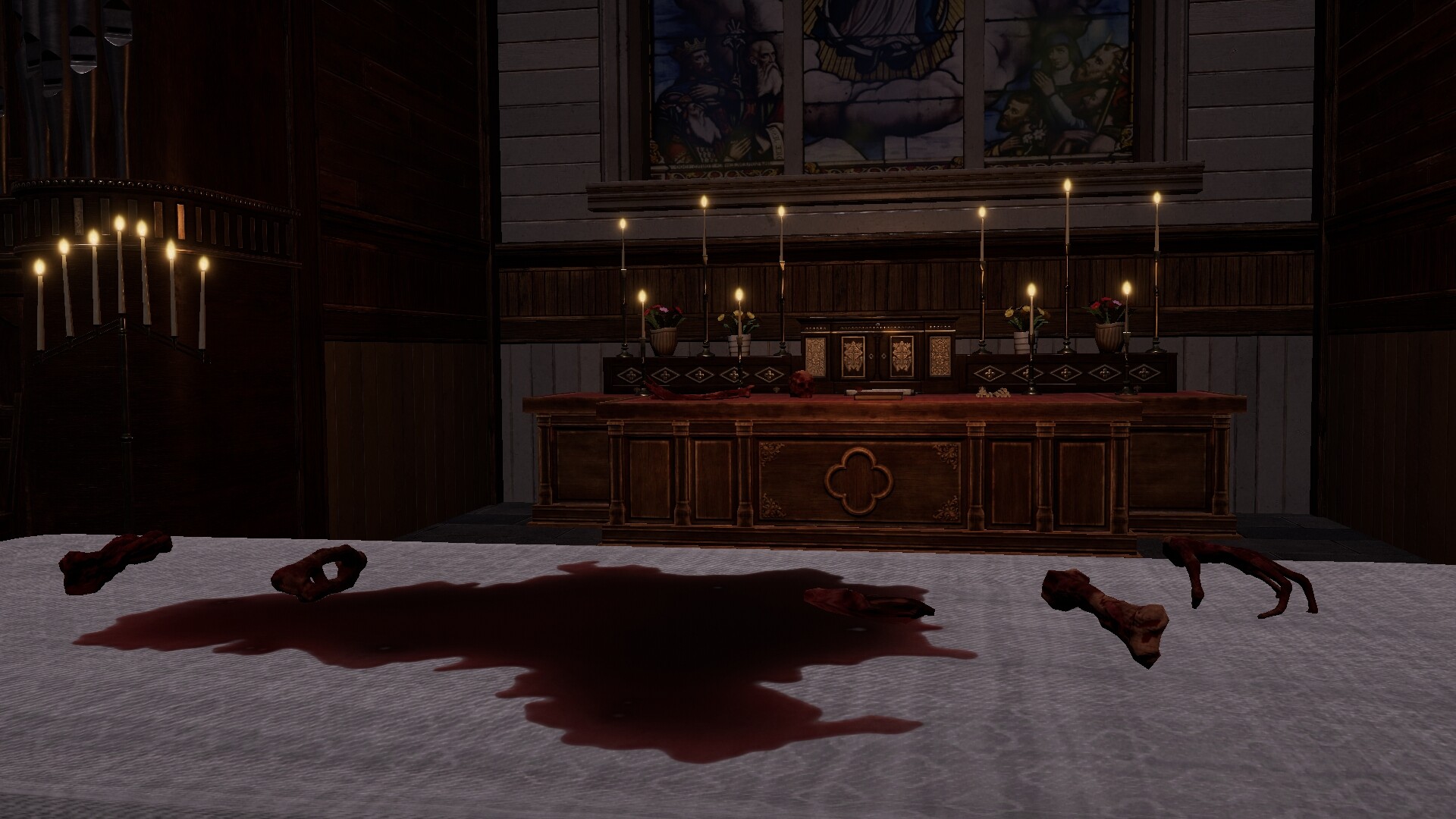
Trace of the Villa casts you as Jin, investigating a property deliberately cut off from the grid. The mansion’s emptiness is artificial: rooms look lived-in but identities and records have been scrubbed. Restoring power and opening secured systems yields safes, encrypted documents and financial traces — the core loop is a narrative puzzle chain where each solved container, terminal or compartment unlocks the next clue. That structure leans heavily on locked-room thinking: a finite space, finite objects, and a chain of dependencies that gives your discoveries momentum.

When and where
Trace of the Villa is available on Steam; the release date on the Steam page is 28 May, 2026. The Steam listing shows it as a single-player PC release with the accessibility and play options listed above.
Why the mansion-as-puzzle matters
Mansion mysteries work well for clue chains because they provide coherent geography and object economies: rooms, locked doors, personal effects and service systems form a scaffold for progressive discovery. In Trace of the Villa the premise — missing records, erased identities, and secured systems that come back online — gives the game a logical reason to withhold information and to hand it back in pieces. That creates tension without needing constant external threats; the environment itself is the puzzle and the storyteller.
How locked-room thinking and puzzle-chain momentum play out
- Object-first clues: small, touchable items (manifests, transfer records, safes) act as seeds. A single discovery usually points to a device, code, or location that requires another action.
- Chained solutions: one solved safe or terminal typically unlocks a new area or reveals an ID fragment, which leads to the next locked system. Momentum comes from this serial revelation — the player feels consistently rewarded and directed.
- Environmental reading: rooms are arranged to communicate absence as much as presence (furniture mid-use, missing photographs). Players who like to scan surfaces and interpret staging will be rewarded.
- Pacing choices: with “playable without timed input” enabled on Steam, the design encourages careful investigation rather than frantic trial-and-error, appealing to explorers who prefer reflection over speed runs.
Player scenarios — who will enjoy this most
- Investigative slow‑burner: You enjoy methodically scanning every surface, cross-referencing notes and piecing together a timeline. The game’s locked compartments and encrypted fragments suit that approach.
- Narrative puzzle player: You want puzzles that serve the story (restoring power reveals documents that change what you think happened). The discovery sequence should feel like gradual narrative unfolding rather than disconnected brain-teasers.
- Accessibility-minded explorer: If timed inputs or reflex demands turn you off, the Steam categories show options like “Playable without Timed Input” and subtitle support, which make it a friendlier fit than many tense, time-driven escape-room sim variants.
How it compares to nearby puzzle and escape-room titles
| Title | Release | Genre / Focus | Atmosphere & Tone | Puzzle style & Exploration | Player fit vs Trace of the Villa |
|---|---|---|---|---|---|
| The Room | 28 Jul, 2014 | Adventure / Indie | Claustrophobic, tactile, occult-tinged | Mechanical puzzle boxes, close-up object manipulation | Best if you want tightly focused tactile puzzles; less emphasis on environmental narrative chains. |
| The Room Two | 5 Jul, 2016 | Adventure / Indie | Expansive yet still intimate, mysterious | More varied mechanical puzzles and layered devices | Similar puzzle design lineage to The Room; choose it for multi-stage devices rather than a mansion-wide investigation. |
| Escape Simulator | 19 Oct, 2021 | Adventure / Simulation / Indie | Bright, playful, often co-operative | Highly interactive rooms, physics, community-made content | Pick Escape Simulator if you want sandbox interactivity and co-op; Trace of the Villa aims for narrative mood and investigative chain rather than toy-like interaction. |
| Hi‑Fi RUSH | 25 Jan, 2023 | Action | Rhythmic, energetic, stylized | Combat and beat-driven systems, fast-paced progression | Very different: Hi‑Fi RUSH is action/beat-driven
Steam pageView Trace of the Villa on Steam YouTube discoveryFor trailer and gameplay discovery, use YouTube search rather than relying on unverified embeds: Find Trace of the Villa trailer and gameplay searches on YouTube. CommentsMore posts |
Leave a Reply