
Trace of the Villa — a story-first mansion mystery that asks you to read between rooms
Jin has spent years searching for his missing sister, and Trace of the Villa places you in a decaying, cut‑off mansion where recovered manifests, encrypted records, and locked systems slowly reopen a trail that may end in answers. Released 28 May, 2026 by Steadyturtle Co., Ltd., the game frames investigation as patient archaeology: restore power, reanimate the house’s hidden systems, and let objects and documents speak for the people who once lived there.

Quick facts
| Title | Trace of the Villa |
|---|---|
| Developer / Publisher | Steadyturtle Co., Ltd. |
| Release date | 28 May, 2026 |
| Genres | Action, Adventure, Indie |
| Steam categories | Single-player; Color Alternatives; Custom Volume Controls; Playable without Timed Input; Subtitle Options; Family Sharing |
| Official short description | Jin has spent years searching for his missing sister, pursuing leads that took him to a remote, decaying mansion where he recovered manifests and hints that indicate his sister may still be alive, somewhere at the end of the trail he is about to follow. |
Who this is for
If you prioritize story-first mystery design—slow-burn suspense, environmental storytelling, and puzzle moments that reveal context rather than spectacle—Trace of the Villa is aimed at you. The Steam categories list “Playable without Timed Input” and subtitle options, which suggests pacing and accessibility choices that favor careful reading and examination over twitch reaction. Players who enjoy reconstructing timelines from objects, decrypting fragments of documents, and letting atmosphere carry emotional weight should consider wishlisting it.
What the game is (and what it isn’t)
Trace of the Villa positions itself as a narrative investigation set inside a deliberately forgotten estate. The official description emphasizes furnished rooms that look as if occupants “vanished mid‑routine,” locked doors and hidden compartments, restored security systems, fragmented encrypted documents, and financial records that don’t add up — mechanics that support a detective approach built on piecing together evidence. While the Steam genres include “Action” and “Adventure,” the developer frames the experience around clue-driven exploration and slow reveal rather than action spectacle.
When and where
Trace of the Villa released on Steam on 28 May, 2026. It’s published and developed by Steadyturtle Co., Ltd., and appears on Steam with the categories listed above. If you prefer PC/Steam as your primary discovery platform, the store page is the place to see official screenshots, system details, and links to purchase or wishlist.
Why the mansion setting matters
Mansions in mystery design do two things well: they concentrate history into rooms and they give designers a spatial grammar for secrets. Trace of the Villa’s official text points to erased identities—no photographs, falsified records, and transfers that lead nowhere. That deliberate removal of personal anchors changes the way you interpret clues: instead of confirming who a character is, you must infer motives from absence. This creates an investigative mood where every ordinary object can be forensic evidence.
How you progress: reading systems not just signs
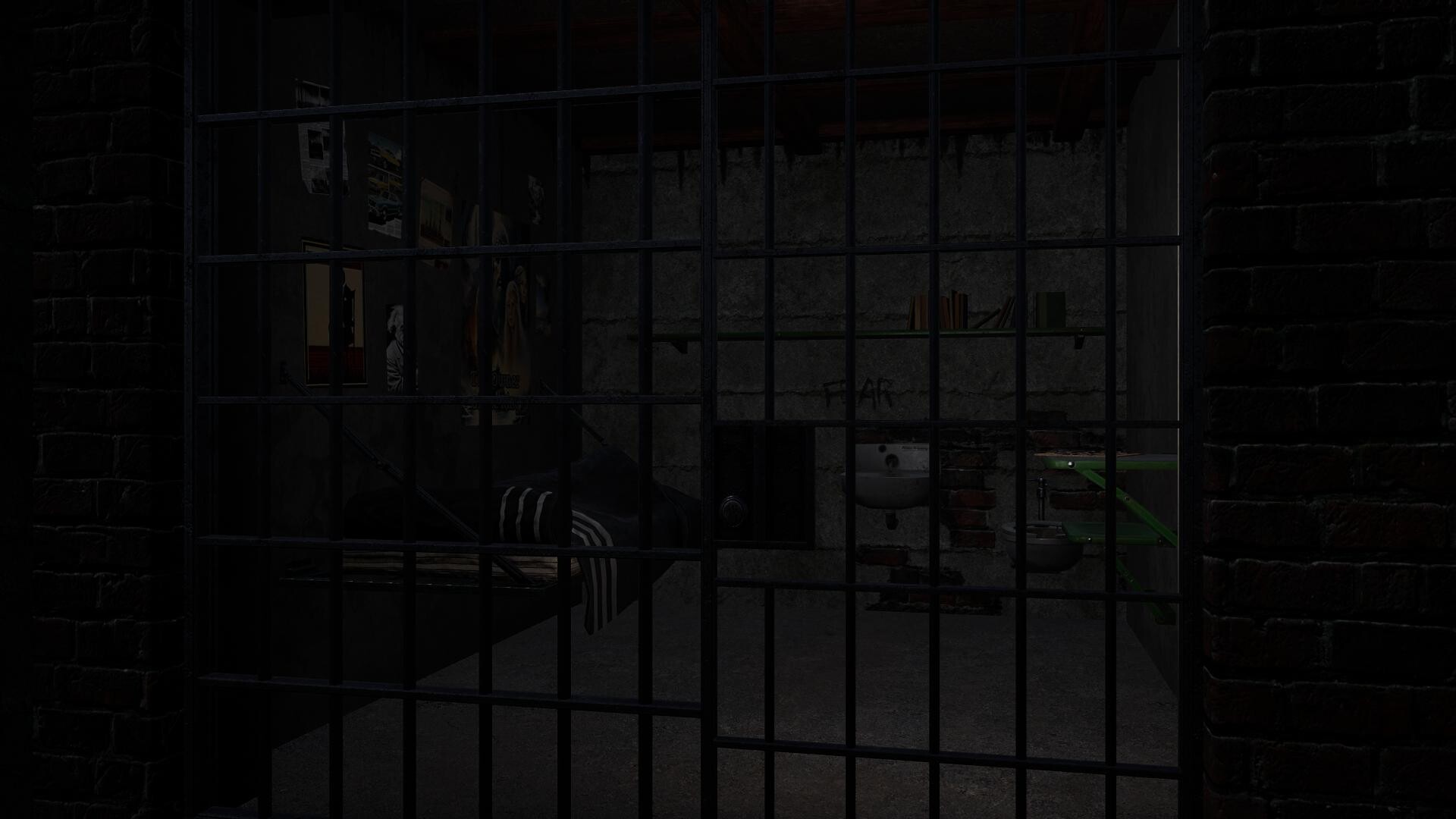
The game’s description explicitly describes restoring power to the estate as a structural turning point—secured systems come back online, hidden compartments unlock, and safes yield fragments of encrypted documents and suspicious transfer records. That language implies layered progression: environmental puzzles (doors, safes, power), document puzzles (manifests, transfers, encryption fragments), and interpretive puzzles (assembling a timeline and motive from what remains). Expect to toggle between exploration, inventory/document inspection, and puzzle-solving that uncovers the next piece of the narrative.

Player scenarios — decide if this suits your desk
- If you like measured investigation: You enjoy reading manifests, scanning financial trails, and solving multi-step puzzles that open new investigation paths. The game’s emphasis on encrypted fragments and reactivating systems fits that taste.
- If you prefer fast, action-led gameplay: The official description frames the experience as narrative and investigative; players seeking constant combat or reflex challenges may find the pacing slower and more contemplative.
- If accessibility and pacing matter: Steam categories include “Playable without Timed Input” and subtitle options, supporting players who want to take time with text, puzzles, and environmental clues.
How it compares — short editorial table
| Title | Atmosphere | Puzzle focus | Exploration style | Story tone / pacing |
|---|---|---|---|---|
| Trace of the Villa | Mansion mystery; erased identities, decaying estate | Document fragments, locked systems, environmental puzzles | Room-by-room clue reading; progress via reactivating systems | Slow-burn investigative; reveals through found evidence |
| Inscryption | Dark, psychological, card-table dread | Puzzle + deckbuilding hybrid with meta-secrets (per descriptions) | Layered, often escape-room and meta-driven | Psychological, twist-heavy; mixes mechanics and story |
| Outer Wilds | Open, melancholic cosmic mystery | Environmental and observational puzzles tied to world systems | Open solar-system exploration with emergent discovery | Patient exploration; discovery through repetition and inference |
| The Medium | Psychological horror with dual-reality vibe | Environmental puzzles across parallel realms | Set-piece exploration of a resort with supernatural elements | Confrontational and atmospheric; focuses on trauma and echoes |
| The Forgotten City | Ancient, moral-mystery setting | Time-loop and logic-based narrative puzzles | Exploration tied to iterating scenarios and consequences | Philosophical, puzzle-driven story with deliberation |
YouTube discovery
Steam page
View Trace of the Villa on Steam
YouTube discovery
For trailer and gameplay discovery, use YouTube search rather than relying on unverified embeds: Find Trace of the Villa trailer and gameplay searches on YouTube.
Leave a Reply