Trace of the Villa and the Quiet Power of Slow-Burn Horror
Trace of the Villa (released 28 May, 2026) from Steadyturtle Co., Ltd. sets a personal, investigation-led mystery inside a remote, decaying mansion where Jin searches for his missing sister. Rather than rely on cheap shocks, the game uses environmental storytelling, staged reveals, and clue-driven puzzles to build an atmosphere of slow-burn suspense.

| Title | Trace of the Villa |
|---|---|
| Release date | 28 May, 2026 |
| Developer / Publisher | Steadyturtle Co., Ltd. |
| Genres | Action, Adventure, Indie |
| Steam categories | Single-player; Color Alternatives; Custom Volume Controls; Playable without Timed Input; Subtitle Options; Family Sharing |
| Premise | Jin investigates a remote, erased-feeling mansion after leads suggest his missing sister may still be alive. |
What Trace of the Villa is
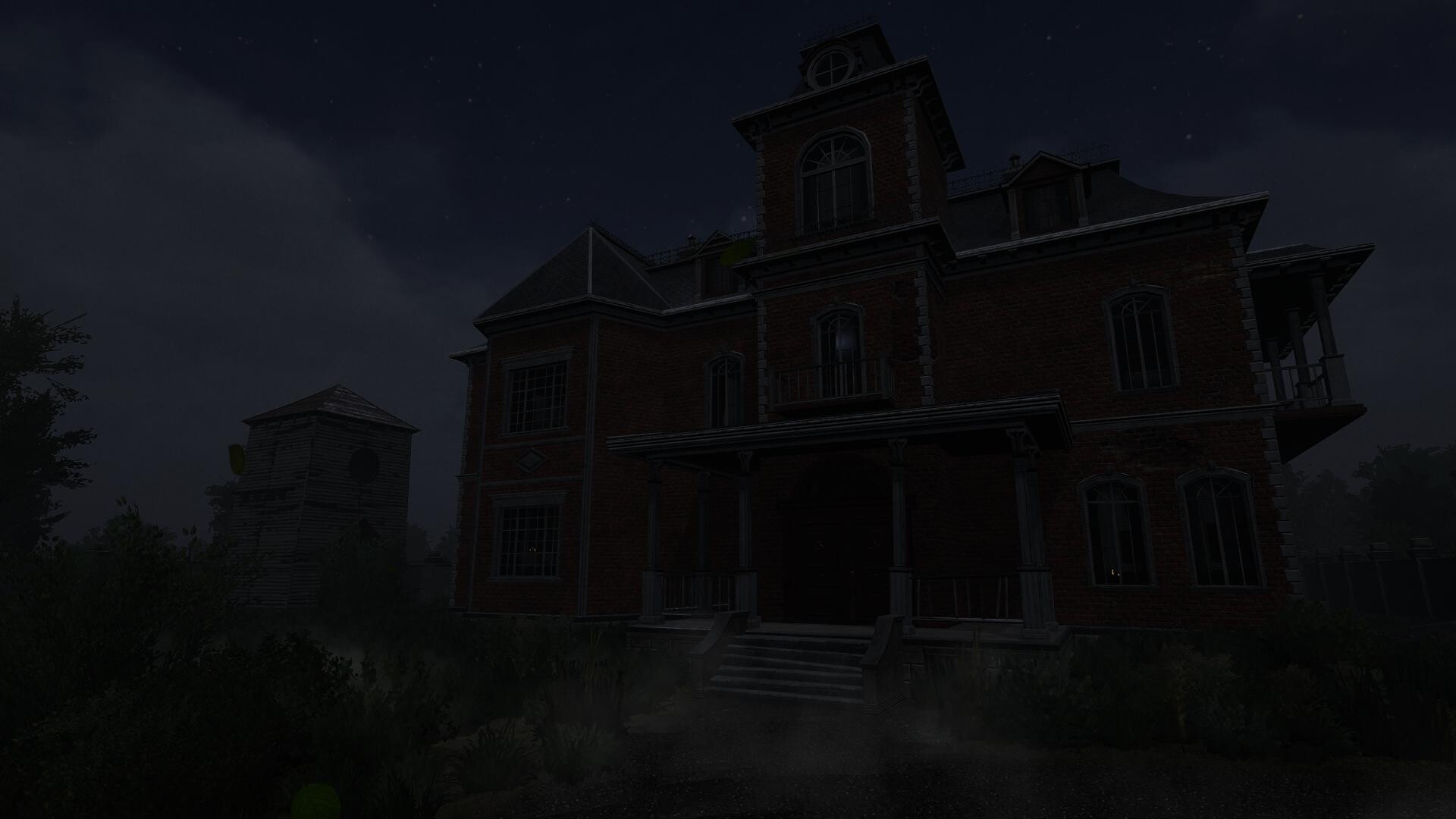
On Steam the official short description frames Trace of the Villa as a narrative investigation: Jin has spent years searching for his missing sister and follows clues to a deliberately forgotten estate. The game foregrounds exploration, restoring utilities, and unlocking secured areas—puzzles and recovered manifests push the story forward while the mansion’s set pieces and absence of names or photos create an unnerving, identity-focused mystery.
Who this is for
This is for players who prefer atmosphere and uncertainty to frequent jump scares: fans of atmospheric mystery adventure and story-rich exploration, people who enjoy environmental storytelling and narrative puzzle design, and anyone who likes a measured pace where unease grows as you assemble fragments of truth. It also suits PC players who value accessibility options listed on the Steam page such as subtitle options, color alternatives, and a lack of timed inputs.
When and where to play
Trace of the Villa released on Steam on 28 May, 2026. If you want to investigate the mansion, you can view the store listing or wishlist it on Steam:
Why quiet tension and uncertainty matter
Games that trade in long, building dread reward players who pay attention to detail. In Trace of the Villa the horror comes from implication: rooms left mid-routine, missing personal identifiers, falsified records and encrypted fragments mentioned in the official description. That absence—what the mansion chooses not to show—creates a cognitive friction that keeps players unsettled between discoveries. For players who prefer cumulative psychological unease over loud shocks, this tension is more memorable and often more affecting.
How you progress: reading clues, restoring systems, and uncovering layers
The official narrative notes several concrete progression beats: restoring power to the estate, reactivating secured systems, and opening hidden compartments and safes to reveal encrypted documents and transfer records. Puzzles are therefore tied to environmental interaction and forensic reconstruction: piecing together manifests and financial trails to expose why people passed through the house without records. Expect exploration to unlock more puzzles rather than a stream of combat encounters.

Player scenarios — which sessions will fit you
- Evening investigator (solo, 2–4 hour sessions): You like to piece together information at your own pace and let atmosphere accumulate between clues. Trace of the Villa’s emphasis on environmental storytelling fits this cadence.
- Puzzle-first player: You enjoy restoring systems and solving locked safes to open new narrative branches; the game ties narrative beats to those interactions rather than to combat or timed skill checks.
- Story-hunter: If you play for tone and implications—missing names, falsified records, and personal items that raise questions—this is a good fit.
- Accessibility-minded player: Steam categories include subtitle options, color alternatives, and “playable without timed input,” which helps players who want a less reflex-dependent experience.
How Trace of the Villa compares to nearby PC mystery and psychological horror
Below is an editorial comparison focusing on atmosphere, puzzle emphasis, exploration style, pacing, and tone. These are intended to help readers decide which experience fits their taste; they are not endorsements or claims of superiority.
| Title | Atmosphere | Puzzle focus | Exploration style | Pacing / Tone |
|---|---|---|---|---|
| Trace of the Villa | Quiet, erased-feeling mansion mystery | Clue-driven puzzles, restoring systems, safes/encrypted docs | Intentional, room-by-room forensic exploration | Slow-burn psychological suspense; investigative |
| Amnesia: The Dark Descent | Immersive, oppressive Gothic dread | Light puzzle elements; more emphasis on survival and atmosphere | Linear first-person navigation with claustrophobic spaces | High tension, frequent spikes; existential dread |
| SOMA | Cold, sci-fi existential unease | Puzzles tied to systems and environmental hazards | Exploration across interconnected facilities | Thoughtful, philosophical pacing with sustained tension |
| Layers of Fear (2016) | Surreal, shifting Victorian mansion atmosphere | Environmental puzzles and narrative cues | Mutable spaces that change to reflect the protagonist | Psychological, often disorienting—slow-burn but with dramatic shifts |
| Poppy Playtime | Playful-but-menacing abandoned factory | Puzzle mechanics using a specific tool (GrabPack) | Hands-on puzzle rooms with platforming elements | Faster tempo, more scripted encounters and jumps |
YouTube discovery
If you want to see trailers or gameplay search results (note: use as a discovery path; this is not an assertion of an official channel):
YouTube discovery
For trailer and gameplay discovery, use YouTube search rather than relying on unverified embeds: Find Trace of the Villa trailer and gameplay searches on YouTube.
Leave a Reply