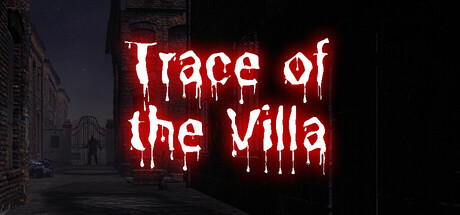
Trace of the Villa — an evidence-first puzzle adventure
Trace of the Villa is an atmospheric mystery adventure about Jin, a man following fragments of a vanished life through a decaying, off-the-grid mansion. Where many recent indies lean on action or jump scares, this title lays its weight on reading clues, assembling object logic, and unspooling story puzzles to move the plot forward.

Who this is for
If you prefer story-rich adventure games that prioritize environmental storytelling and deduction over twitch reflexes, Trace of the Villa is aimed at you. The title lists Single-player and accessibility categories like Playable without Timed Input and Subtitle Options, which signals design choices that favor slow, careful puzzle work and reading over split-second reactions.
What the game is
Trace of the Villa, developed and published by Steadyturtle Co., Ltd., casts you as Jin, who has spent years searching for his missing sister. A new lead points to a remote, deliberately forgotten mansion where manifests and hints suggest she may still be alive. Inside, restored power and unlocked systems gradually reveal encrypted documents, transfer records, and falsified identities; each solved puzzle peels back another layer of the operation that used the house.
When and where
Trace of the Villa released on 28 May, 2026 and is distributed on Steam for PC. Use the Steam page to wishlist or purchase:
Why the theme matters
The game’s tension comes less from chase sequences and more from the implication built into objects and documents. The mansion setting — rooms frozen mid-routine, missing names and photographs, and secured systems that only reveal themselves when power returns — makes investigation itself the engine of suspense. The subject matter (falsified identities, anonymous transfers) frames puzzles as forensic exercises rather than abstract riddles, which changes player expectations and rewards patience and attention.
How you read clues and progress
According to the official description, progress hinges on recovering manifests, restoring estate power, and opening secured systems that produce fragments of encrypted documents and transfer records. That sequence implies three puzzle behaviors:
- Clue reading: piecing meaning from recovered manifests and hints, often textual or contextual.
- Object logic: using environmental items and restored systems to access new information (power restoration as a gating mechanic).
- Story puzzles: connecting financial traces and falsified identities to reconstruct timelines and motivations.
Expect puzzles that reward careful observation and note‑keeping; the game’s design foregrounds deduction and narrative inference rather than combat or timed trials.
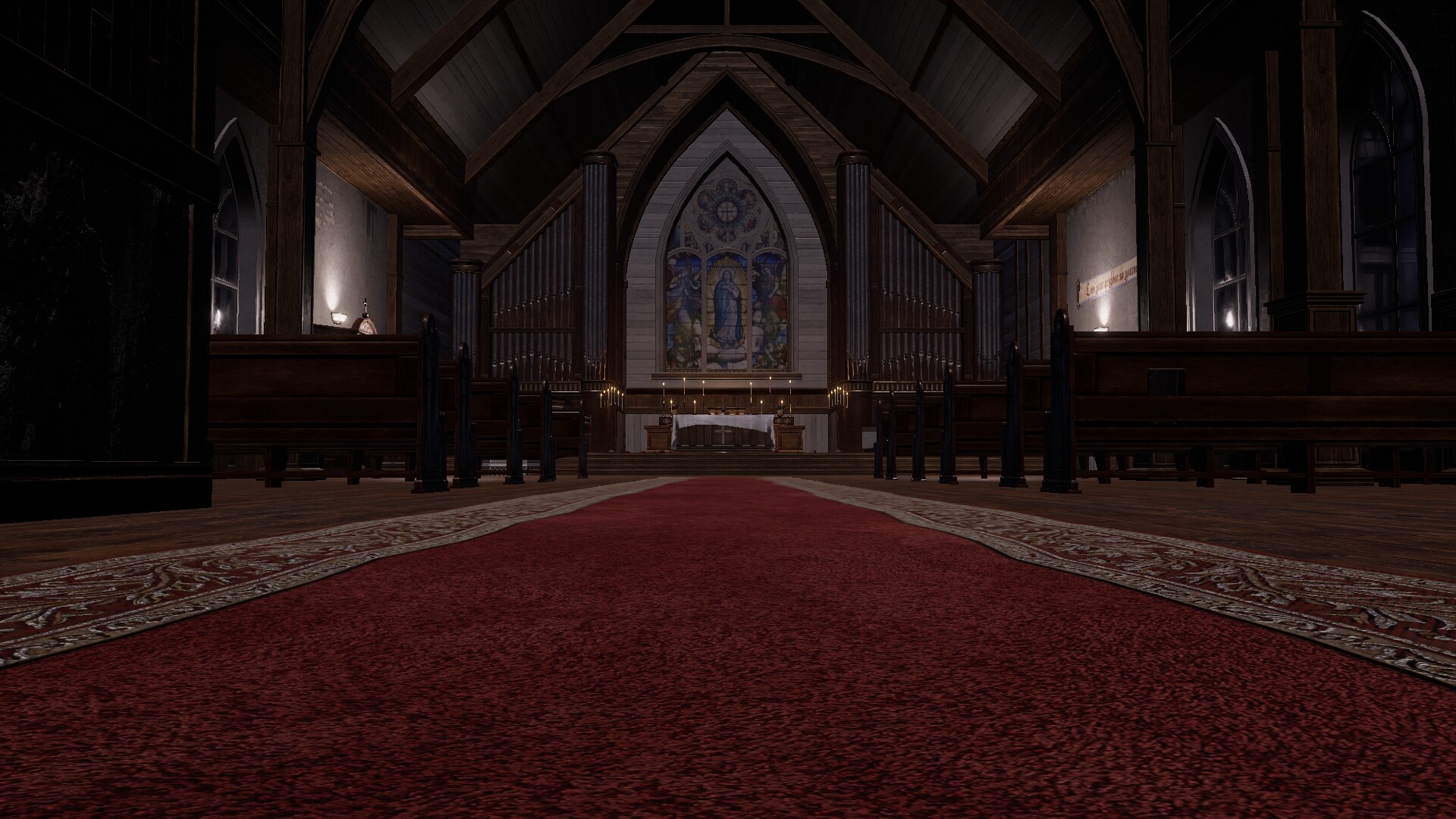

Compact facts — Trace of the Villa
| Title | Trace of the Villa |
|---|---|
| Steam AppID | 3483660 |
| Release date | 28 May, 2026 |
| Developer / Publisher | Steadyturtle Co., Ltd. |
| Genres | Action, Adventure, Indie |
| Key categories | Single-player; Playable without Timed Input; Subtitle Options; Color Alternatives; Custom Volume Controls; Family Sharing |
Player scenarios — who will enjoy this and why
Quiet investigator
You like games where the payoff is an “aha” moment from connecting disparate evidence. The emphasis on manifests and encrypted fragments makes Trace of the Villa a fit.
Environmental storyteller
You prize atmosphere and world detail — rooms that feel like interrupted routines reward slow exploration and inference over speedrun tactics.
Not for action-first players
If you buy games for high-octane combat or platforming, the title’s focus on reading and deduction will likely feel slower than expected; the Steam categories and accessibility options underline that the experience is built around considered play.
How it compares (editorial discovery)
Below is a focused comparison that places Trace of the Villa against other well-known puzzle/adventure designs. This is an editorial mapping of genre, tone, and puzzle emphasis — not a claim of superiority.
| Title | Genre / Tone | Puzzle focus | Exploration style | Pacing / Player fit |
|---|---|---|---|---|
| Trace of the Villa | Action / Adventure / Indie — atmospheric mystery; mansion investigation | Clue-driven: manifests, encrypted documents, object logic | Environmental storytelling in a decaying estate; gated by restored systems | Slow-burn, deduction-first; for players who read and connect evidence |
| The Room | Adventure / Indie — focused, tactile puzzle box atmosphere | Mechanical puzzle boxes and tactile solutions | Isolated puzzle rooms with a single-object focus | Compact, puzzle-centric; rewards observation and manipulation |
| The Room Two | Adventure / Indie — expands the cryptic, immersive puzzle-box mood | Layered mechanical puzzles with narrative thread | Broader set-pieces but still room-based puzzle focus | Measured pacing; appeals to players who enjoy progressive puzzle complexity |
| Escape Simulator | Adventure / Casual / Indie — cooperative and interactive escape rooms | Highly interactive object puzzles, physics-based manipulation | Room-to-room, sandbox interaction; community-made rooms extend variety | Faster, tactile; suits players who enjoy hands-on experimentation and co-op |
| Unpacking | Casual / Indie — zen, domestic narrative through objects | Spatial and contextual puzzles about placement and life clues | Slow, vignette-driven spaces that tell life stories via possessions | Quiet, reflective; for players who enjoy piecing life stories from objects |
YouTube discovery
If you want trailer or gameplay clips, search YouTube for Trace of the Villa — this query will surface trailers and footage to help judge tone and pacing: Trace of the Villa — YouTube search.
Quick verdict for wishlist decisions
Wishlist Trace of the Villa if you enjoy slow, atmospheric puzzle adventures where story advances through recovered documents and environmental inference. If you prefer action-focused pacing or high-tempo encounters, consider whether the game’s deduction-first design matches your playstyle.
Legal and editorial notes
Referenced titles and trademarks belong to their respective owners. Comparisons are editorial discovery only, focused on genre, atmosphere, puzzle style, exploration, pacing, and player fit. The article uses official Steam app data for Trace of the Villa.
Leave a Reply