Trace of the Villa — why quiet dread matters more than jump scares
Trace of the Villa (Steadyturtle Co., Ltd., released 28 May, 2026) sends a lone investigator into a remote, decaying mansion where restored power and uncovered manifests begin to hint at something larger and deeply unsettling. The game trades flashy shocks for slow-burn tension: the feeling that rooms have been erased of identity and that every unlocked system or safe simply raises more questions.

The essentials (Who, What, When, Where)
| Title | Trace of the Villa |
|---|---|
| Release date | 28 May, 2026 |
| Developer / Publisher | Steadyturtle Co., Ltd. |
| Steam AppID | 3483660 |
| Genres | Action, Adventure, Indie |
| Notable categories / features | Single-player; Playable without Timed Input; Subtitle Options; Color Alternatives; Custom Volume Controls; Family Sharing |
| Premise (short) | Jin has spent years searching for his missing sister and follows a lead to a remote mansion where manifests and hints suggest she may still be alive. |
What kind of psychological horror is this?
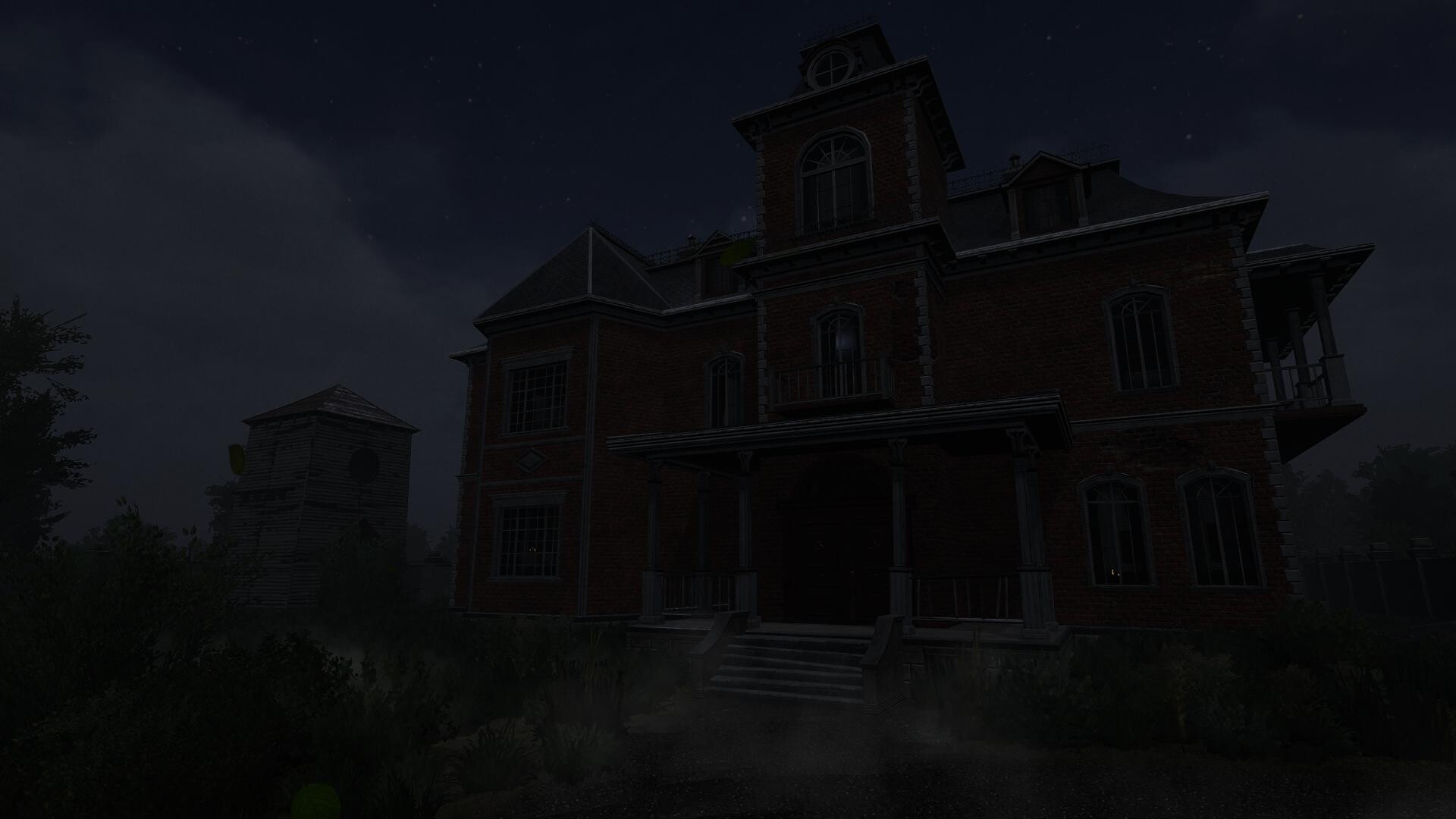
Trace of the Villa leans into environmental storytelling and a psychological investigation framework. According to the official description, the mansion feels “less abandoned than erased”: furnished rooms frozen mid-routine, locked doors concealing hastily secured secrets, personal effects without names or photographs. Rather than a parade of jump scares, the game surfaces tension through implied horror — the uncanny small details, the silence after you restore power, and the slow aggregation of financial trails, falsified identities, and encrypted fragments that point to something systematic and deliberate.
Why quiet tension and uncertainty matter
Psychological dread is often about the mind filling in gaps: an empty corridor becomes a narrative thread, a missing photograph reads as erasure, and a safe that yields only fragments forces you to imagine what was taken. That uncertainty prolongs engagement. Each unlocked circuit or decrypted document isn’t just a reward; it reframes earlier observations and makes mundane spaces feel dangerous because the player knows something intentional is missing. For players who prefer accumulation of clues over adrenaline spikes, this sustained ambiguity produces more lasting unease than isolated shocks.
How you play — clue-driven exploration and progression
- Investigation-led pacing: the official description emphasizes manifests, encrypted documents, transfer records and hidden compartments as the primary connective tissue of the narrative.
- Systems restoration as gameplay beats: when Jin restores power, secured systems come back online and previously hidden areas reveal new puzzles or items — an explicit loop of discovery triggering more discovery.
- Puzzle and environmental focus: safes, locked doors and encrypted fragments are central; the description frames them as the mechanics that drive the timeline forward.
- Accessibility and control: Steam categories note subtitle options, color alternatives, and custom volume controls, and a “Playable without Timed Input” tag suggests a deliberate design choice to avoid reflex-based gating.
Who should wishlist Trace of the Villa?
Consider adding this to your wishlist if any of the following describe you:
- You favor slow-burn, story-rich adventures that let tension creep up rather than explode.
- You enjoy environmental storytelling and piecing together narrative through recovered documents and systems rather than cutscenes.
- You prefer exploration and puzzles without timed-input stress, with accessibility options such as subtitles and custom volume controls.
- You like psychological investigation set in a single, claustrophobic location where small details rewrite the whole story.
Player scenarios — specific tastes and use cases
- Evening chill with headphones: you want quiet dread and atmospheric sound design where a single creak rewrites your assumptions.
- Clue collectors: you enjoy scanning manifests and cross-referencing documents to reveal an organizational pattern behind disappearances.
- Accessibility-first players: the presence of subtitles, color alternatives, and “playable without timed input” make the game a better fit than many reflex-heavy horror titles.
- Explorers who dislike constant combat: if you find survival-horror resource fights tedious and prefer puzzle-led momentum, Trace of the Villa’s description suggests a calmer, investigative rhythm.
How it sits alongside nearby titles
Below is a concise editorial comparison to games that readers often consider when choosing psychological and exploration-driven horror experiences. This table compares mood, pacing, core focus, and likely player fit rather than making claims about quality or superiority.
| Title | Core mood | Pacing | Primary focus | Player fit |
|---|---|---|---|---|
| Trace of the Villa | Quiet dread, erased identity | Slow-burn, investigative | Environmental storytelling, document-based puzzles, system restoration | Players who like clue-driven mystery and sustained ambiguity |
| Amnesia: The Dark Descent | Claustrophobic dread, immediate survival tension | Varies; often tense and reactive | Immersive first-person horror with direct vulnerability mechanics | Players who want immersion with survival pressure |
| SOMA | Pensive sci-fi dread, existential | Measured with narrative beats | Story-driven exploration with philosophical questions | Players who want narrative weight and thoughtful pacing |
| Layers of Fear | Unsettling, psychologically unstable | Atmospheric, occasionally surreal | House/mansion exploration focused on a single character’s descent | Fans of theatrical, shifting-environment psychological horror |
| Poppy Playtime | Playful menace, puzzle-horror | Moderate; puzzle-driven sequences | Puzzle-adventure with horror-adjacent toy antagonist setpieces | Players who like horror puzzles with setpiece encounters |
Screenshots

Where to look for trailers and gameplay
If you want trailers or gameplay clips, use the YouTube discovery path below. This is provided as a search link rather than an explicit official video claim.
Search Trace of the Villa trailers and gameplay on YouTube
Final verdict — who should consider this on Steam
Trace of the Villa is for players who value atmospheric mystery adventure and patient, clue-driven exploration over reflexive scares. If you prefer the psychological pressure of uncertainty—rooms that suggest erasure, forensic puzzle work, and the slow revelation of institutional concealment—this fits that lane. The Steam tags and categories support a single-player, accessibility-conscious experience with a focus on investigation rather than timed reactions.
Steam page: Trace of the Villa on Steam
Disclaimer: Referenced titles and trademarks belong to their respective owners; this comparison is editorial discovery only and not an endorsement or claim of affiliation.
Leave a Reply