
Trace of the Villa — a premise-first guide for players who chase hidden backstory
Trace of the Villa puts you in Jin’s shoes: years of searching for a missing sister lead to a remote, deliberately forgotten mansion that seems wiped of identity. The game promises slow-burn suspense built around restoring power, unlocking sealed systems, and piecing together encrypted manifests that suggest a larger, controlled operation.

Quick facts
| Title | Trace of the Villa |
|---|---|
| Developer / Publisher | Steadyturtle Co., Ltd. |
| Release date | 28 May, 2026 |
| Steam appid | 3483660 |
| Genres / categories | Action, Adventure, Indie — Single-player; Color Alternatives; Custom Volume Controls; Playable without Timed Input; Subtitle Options; Family Sharing |
| Official premise | Jin finds manifests and hints in a decaying mansion that indicate his missing sister may still be alive, somewhere at the end of the trail he is about to follow. |
Who is this for?
If you prize narrative curiosity over instant answers, Trace of the Villa is aimed at players who enjoy atmospheric mystery adventure and environmental storytelling. Readers who prefer clue-driven exploration, slow-burn suspense, and a story that unfurls through recovered documents and reactivated systems will be most satisfied. The Steam categories (including subtitles and no timed-input requirements) suggest accessibility-minded single-player experiences for players who want to absorb story without frantic reflex demands.
What the game is (premise-first)
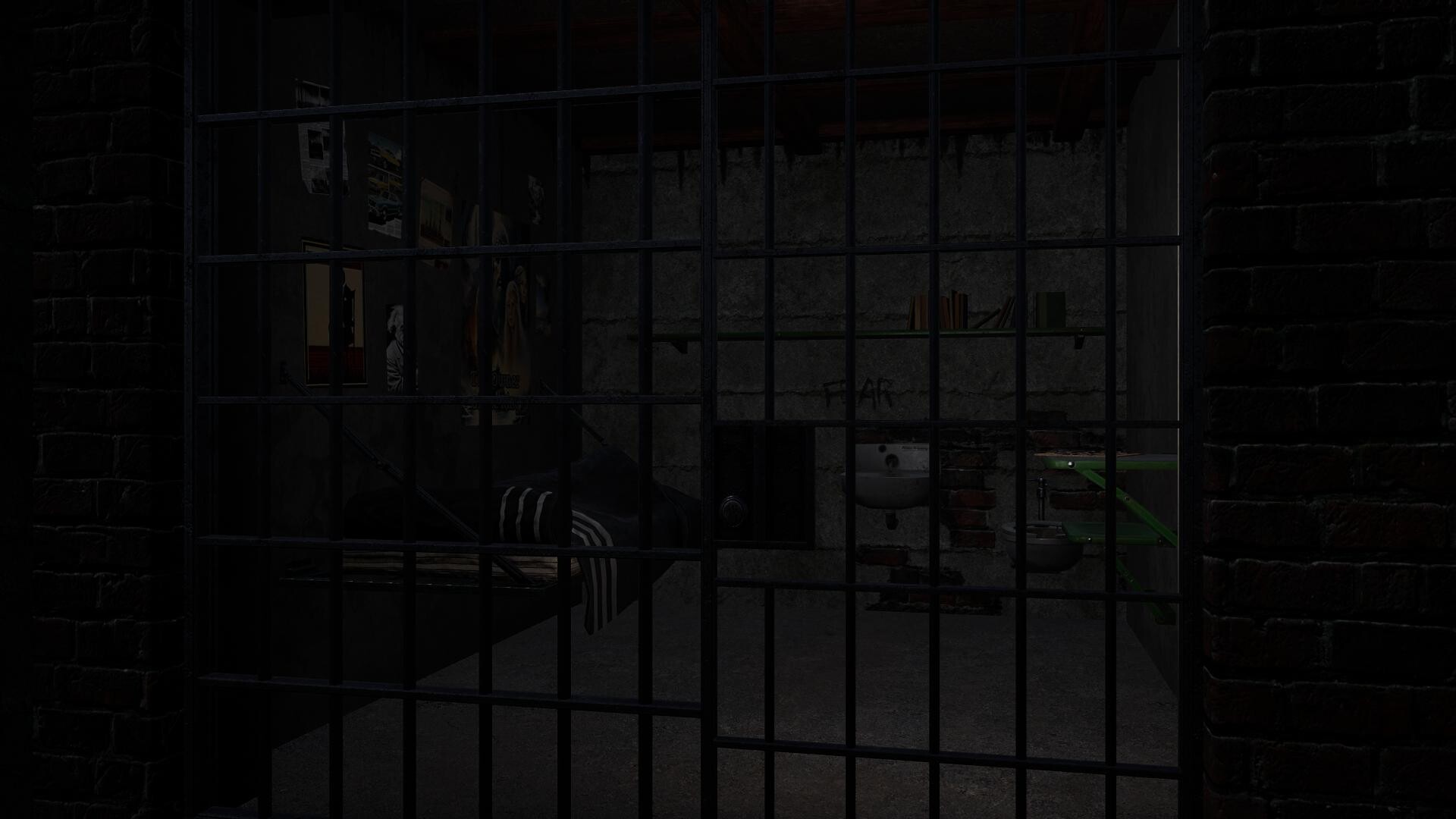
Trace of the Villa centers on Jin, an investigator tracing his missing sister into a remote, decaying mansion cut off from the grid. The estate appears intentionally erased: furnished rooms with no names or photographs, locked doors, and evidence of a controlled flow of people. When Jin restores power, secured systems begin revealing encrypted documents, suspicious transfer records, and other fragments that point to falsified identities and people moved without public records. The game frames the mystery as an investigative puzzle: restore systems, open safes and compartments, and follow financial and administrative trails toward a larger truth.
When and where (the Steam context)
Trace of the Villa launched on Steam on 28 May, 2026. It’s published and developed by Steadyturtle Co., Ltd. The Steam page lists it under Action / Adventure / Indie and includes accessibility features such as Color Alternatives, Custom Volume Controls, Subtitle Options, and Playable without Timed Input.
Why the theme matters
The core conceit — a house that looks lived-in but deliberately lacks identity — makes the detective work less about interrogating NPCs and more about reconstructing erased lives from traces. That framing shifts tension from jump-scare horror to unsettling inference: what does an absence of names mean when transactions and manifests exist? For players who want narrative heft in every unlocked compartment, this approach amplifies curiosity and keeps the emotional stakes personal (Jin’s sister) rather than purely procedural.
How you progress: reading clues and unpacking backstory
Progression is described as puzzle- and clue-driven. Key actions the Steam description highlights include restoring power to the estate, reactivating secured systems, and decoding encrypted documents and suspicious transfer records. Each solved puzzle appears to open new layers of the operation that once used the mansion for controlled arrivals and departures. Expect environmental storytelling — objects, locked doors, safes, manifests — to be the primary narrative vehicles, not overt exposition.

Player scenarios — who should wishlist this
- You like quiet, investigative pacing: If you prefer piecing a story together from recovered artifacts and intermittent system reboots, Trace of the Villa looks built for that rhythm.
- You want atmospheric, not gratuitous, tension: The mansion’s “erased” identities and missing records promise an oppressive mood that comes from implication rather than constant shocks.
- You value accessibility and focused reading: Steam categories such as Subtitle Options and Playable without Timed Input suggest the game is friendly to players who prefer mindful puzzle-solving over timed reactions.
- You enjoy narrative puzzles that point toward a larger conspiracy: The official description’s emphasis on manifests, encrypted documents, and financial trails indicates a mystery that steps beyond a single missing person into organized secrecy.
How Trace of the Villa compares — quick editorial table
| Title | Atmosphere | Puzzle focus | Exploration style | Story tone / pacing |
|---|---|---|---|---|
| Trace of the Villa | Mansion-bound, erased-identities mood; quiet tension | Clue-driven puzzles, document decryption, system reactivation | Contained estate with environmental storytelling | Slow-burn, investigative, personal stakes |
| Inscryption | Inky, often claustrophobic | Card-based puzzles blended with meta revelations | Card-table and confined spaces; layered meta-unfolding | Unsettling, frequently surprising shifts in tone |
| Outer Wilds | Curious, cosmic | Puzzles built into environmental mechanics and time loops | Open, solar-system exploration | Patient, discovery-first pacing with emergent revelations |
| Journey | Solitary, contemplative | Minimal puzzle mechanics; emotional navigation | Linear but expansive exploration of ruins and landscapes | Slow, poetic, and evocative |
| The Forgotten City | Ancient, moral mystery | Time-loop puzzles and narrative consequences | Ancient city with loop-based exploration | Puzzle-driven with ethical stakes and deliberate pacing |
| The Medium | Psychological, dual-reality | Puzzles across two realms; narrative investigation | Layered areas revealed via spirit-realm mechanics | Atmospheric and investigative with horror elements |
Trailer / gameplay discovery
If you want trailers or gameplay footage, search YouTube here: Trace of the
Leave a Reply