
Trace of the Villa: a story-first mystery about what’s been quietly erased
Steadyturtle Co., Ltd.’s Trace of the Villa (released 28 May, 2026) places Jin’s search for his missing sister at the center of a decaying mansion mystery, using recovered manifests, encrypted fragments and restored systems to reveal layers of a concealed operation. If you prize environmental storytelling, slow-burn suspense and clue-driven exploration, the game’s narrative design is explicitly built to reward careful reading of place and artifact.

Who is this for?
Trace of the Villa targets players who prefer story-first mystery design: folks who enjoy piecing together a backstory from objects, documents and unlocked systems rather than from long explicit cutscenes. If your wishlist trends toward atmospheric mystery adventure, psychological investigation, or story-rich indie games where exploration reveals motive and method, this one will align with your tastes.
What the game is
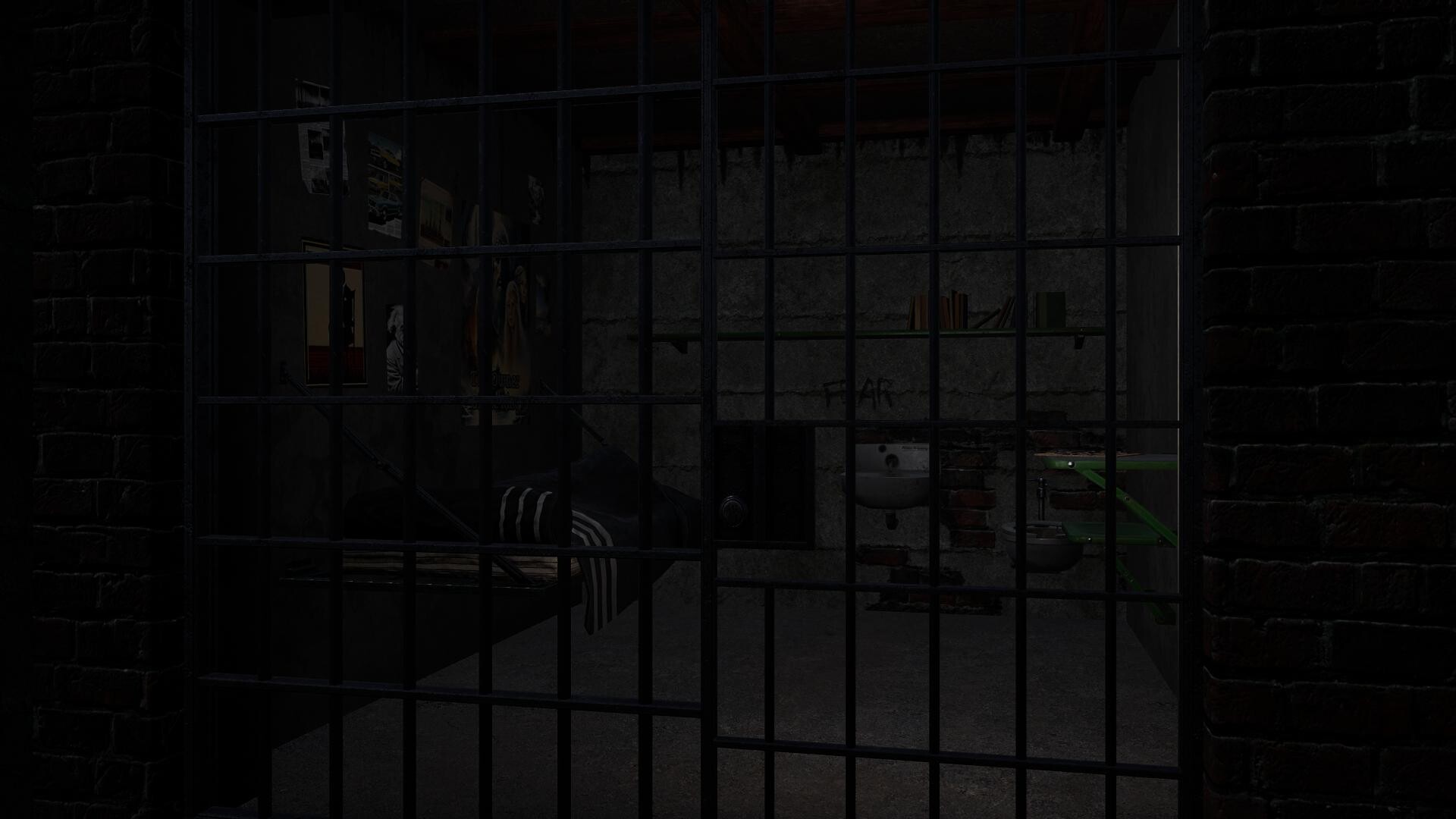
Officially described as an Action / Adventure / Indie title, Trace of the Villa follows Jin, a protagonist who has spent years searching for his missing sister. A fresh lead brings him to a remote, deliberately forgotten mansion. Inside, the house feels “erased” — furnished rooms with no photographs or names, locked doors, and signs of past occupancy that point to a larger, concealed operation. When Jin restores power, secured systems and hidden compartments begin to yield encrypted documents, suspicious transfer records and other fragments that form the investigation’s trail.

When and where
Trace of the Villa is available on Steam, released 28 May, 2026. It’s a single-player PC title published and developed by Steadyturtle Co., Ltd. The Steam store page lists accessibility and comfort-friendly categories such as Color Alternatives, Custom Volume Controls, Playable without Timed Input and Subtitle Options.
Quick facts
| Title | Trace of the Villa |
|---|---|
| Release date | 28 May, 2026 |
| Developer / Publisher | Steadyturtle Co., Ltd. |
| Genres | Action, Adventure, Indie |
| Steam categories | Single-player; Color Alternatives; Custom Volume Controls; Playable without Timed Input; Subtitle Options; Family Sharing |
| Steam page | View Trace of the Villa on Steam |
Why the theme matters
The conceit of a house that’s been “erased” — rooms perfectly set but with identities stripped away — turns environmental details into primary narrative currency. Rather than explain motive upfront, the game promises a detective’s work: restore systems, read manifests, decrypt fragments and follow a financial and logistical trail that suggests people moved through the estate under strict control. That design choice makes curiosity the player’s engine: small discoveries should remake your understanding of what happened here.
How you uncover meaning (design and progression)
The official description makes the progression explicit: restoring power brings secured systems back online, hidden compartments unlock, and safes yield fragments of encrypted documents and transfer records. Each solved puzzle or recovered manifest exposes another layer — falsified identities, financial trails and movements that point to a larger operation. Gameplay emphasis appears to be on environmental storytelling and clue-driven exploration rather than on exposition-heavy dialogue. The listed Steam categories (subtitles, no timed input, color alternatives) also suggest a measured, accessibility-aware pacing that suits players who prefer investigation over reflex-based sequences.
Player scenarios — who should wishlist this
- The methodical detective: You enjoy reading documents, cataloguing clues, and letting a timeline form across rooms and devices. If you like assembling motive from fragments, this is for you.
- The atmospheric explorer: You prioritize mood, lighting, and set dressing; a mansion where the place itself narrates interest you more than constant combat.
- The accessibility-conscious player: You benefit from features like Playable without Timed Input and Subtitle Options — the game’s Steam categories indicate those options are present.
- The action-adventure crossover fan: The Action/Adventure genre tag signals some gameplay breadth; if you expect both puzzle investigation and occasional action beats, keep this on your radar while checking footage first.
How it compares (quick editorial discovery)
Below is a focused comparison to a handful of story-first and mystery-adjacent indie titles. This table compares tone, puzzle emphasis and exploration style to help decide fit — not to claim superiority.
| Title | Atmosphere | Puzzle Focus | Exploration Style | Story Tone | Pacing / Player Fit |
|---|---|---|---|---|---|
| Trace of the Villa | Claustrophobic mansion, erased identities, slow-burn suspense | Document fragments, restored systems, environmental puzzles | Room-by-room, clue-driven investigation | Personal (Jin’s search), investigative, conspiratorial | Measured pace; suits players who like methodical sleuthing |
| Inscryption | Inky, unsettling card-horror | Escape-room style puzzles integrated with card mechanics | Layered meta-spaces tied to the card table | Psychological, metafictional horror | Dense, often surprise-driven; for players who like puzzles with narrative twists |
| Outer Wilds | Open, curious, cosmic | Puzzle through observation and experimentation (time-loop learning) | Open-world solar system exploration | Mysterious, wonder-tinged scientific inquiry | Explorative and discovery-oriented; rewards systems thinking and patience |
| Journey | Minimalist, contemplative | Light environmental puzzles and traversal | Linear but wide, scenic traversal | Poetic, emotional, nonverbalYouTube discoveryFor trailer and gameplay discovery, use YouTube search rather than relying on unverified embeds: Find Trace of the Villa trailer and gameplay searches on YouTube. CommentsMore posts |
Leave a Reply