
Who should consider Trace of the Villa after atmospheric mystery adventures
Trace of the Villa places you in Jin’s shoes as he follows a cold lead to a remote, decaying mansion and begins to piece together whether his missing sister might still be alive. Released 28 May, 2026 and developed/published by Steadyturtle Co., Ltd., the game frames its mystery around restored power, locked compartments, encrypted documents and the slow uncovering of a concealed operation.

Quick facts
| Title | Trace of the Villa |
|---|---|
| Steam appid | 3483660 |
| Release date | 28 May, 2026 |
| Developer | Steadyturtle Co., Ltd. |
| Publisher | Steadyturtle Co., Ltd. |
| Genres | Action, Adventure, Indie |
| Categories | Single-player; Color Alternatives; Custom Volume Controls; Playable without Timed Input; Subtitle Options; Family Sharing |
Who this is for
If you favour narrative, atmospheric mystery adventures where exploration and environmental storytelling drive the experience, Trace of the Villa is aimed at you. The official description centers on Jin’s methodical investigation inside a house that feels “erased” rather than simply abandoned—players who prefer clue-driven progression and piecing together fragmented documents to form a timeline will find the premise familiar and appealing.
What the game is (and what it isn’t)
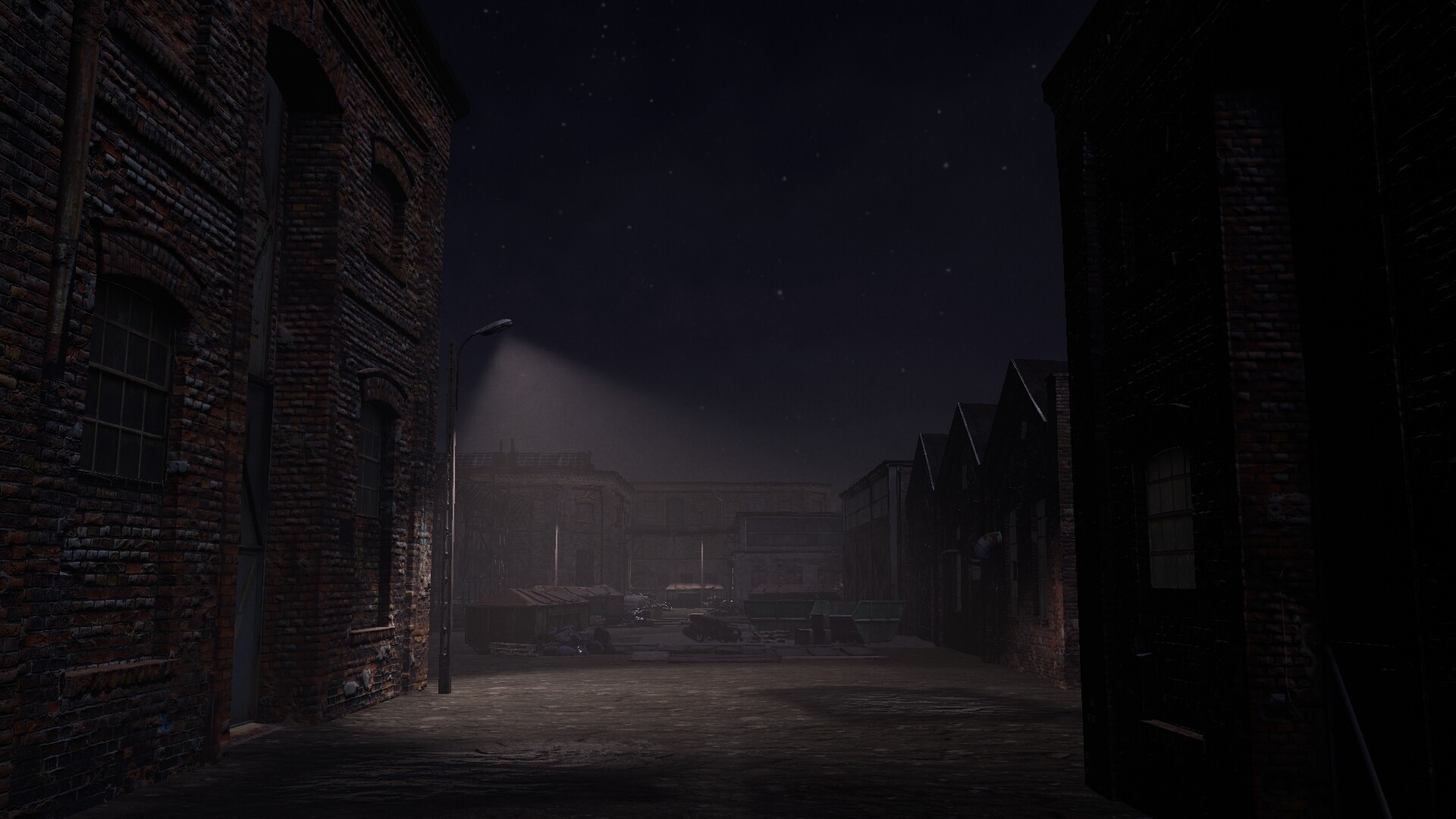
Trace of the Villa is presented as a story-focused, single-player PC adventure in which restoring systems and unlocking hidden storage reveal encrypted documents, manifests and suspicious transfer records. The Steam store copy describes a mansion used for controlled movements of people, falsified identities, and financial trails—elements that orient the game toward investigative, puzzle-led exploration rather than action-heavy sequences or arcade-style objectives.
When and where
Trace of the Villa launched on Steam on 28 May, 2026. The Steam store page lists it under Action / Adventure / Indie with typical PC-friendly accessibility categories such as subtitle options, custom volume controls and an option to play without timed input.
Why the theme matters
The mansion-as-evidence trope works when the environment supplies both atmosphere and reliable clues. Steam’s official text underscores environmental reveals—power restoration, safes and encrypted fragments—that suggest the project leans into investigative pacing: gradual exposure of a hidden operation rather than an immediately explained mystery. That matters if you prefer story beats earned by exploring rooms and reconstructing events from objects and documents.
How you progress
According to the official description, progression is driven by restoring systems and solving the estate’s secured puzzles: powering the house back up, gaining access to locked compartments, and using the recovered artifacts (manifests, transfer records, encrypted documents) to build a timeline. That sets expectations for environmental puzzle design and document-based clue work rather than fast reflex tests—the Steam categories also note “Playable without Timed Input.”
Player scenarios — should you wishlist it?
- Wishlist if you enjoyed slow-burn mansion mysteries where atmosphere and document puzzles reveal the plot.
- Wishlist if you appreciate accessibility options like subtitle support, custom volume controls and gameplay without timed inputs.
- Consider skipping or wait for more coverage if you want heavy combat, multiplayer, or clearly documented user reviews (the Steam page shows no user reviews at the time of writing).
- Ideal for players who like reconstructing timelines from scattered evidence and prefer investigative pacing over jump-scare survival mechanics.
Lawful editorial comparison — how Trace of the Villa stacks up
Below is a focused, editorial comparison on tone, pacing, puzzle focus and exploration. These are discovery-oriented contrasts based on each title’s Steam description and store data.
| Title | Primary tone | Pacing | Puzzle focus / mechanics | Exploration style | Who might prefer it |
|---|---|---|---|---|---|
| Trace of the Villa | Atmospheric mystery, investigative | Slow-burn investigative unraveling | Environmental puzzles, safes, encrypted documents, restoring systems | Room-by-room mansion exploration tied to clues | Players who like document-driven mysteries and methodical exploration |
| Amnesia: The Dark Descent | Immersive survival horror | Tension with spikes of dread and vulnerability | Environmental puzzle solving with horror framing | First-person atmospheric levels; focus on immersion | Players seeking intense dread and immersion (store lists it as first-person survival horror) |
| SOMA | Sci‑fi horror with philosophical beats | Measured tension with narrative-driven moments | Exploration and story puzzles in a sci-fi setting | Underwater/complex facility environments | Players who prefer cerebral, sci-fi narratives in a horror wrapper |
| Layers of Fear (2016) | Psychological, shifting mansion atmosphere | Psychological escalation and fluctuating spaces | Environment-based puzzles tied to narrative and madness | Unstable, changing Victorian house | Players who value unreliable environments and narrative-driven scares |
| The Room | Mysterious, tactile puzzle-box tone | Puzzle-focused, deliberately paced by rooms | Complex mechanical puzzle boxes and stages | Linear room-to-room puzzle progression | Players who want tightly designed, tactile puzzle challenges |
| Rusty Lake Hotel | Dark, vignette-driven puzzle atmosphere | Short, episodic pacing across puzzles |
Steam pageView Trace of the Villa on Steam YouTube discoveryFor trailer and gameplay discovery, use YouTube search rather than relying on unverified embeds: Find Trace of the Villa trailer and gameplay searches on YouTube. CommentsMore posts |
Leave a Reply