
Trace of the Villa — why quiet tension and unresolved clues matter more than shock claims
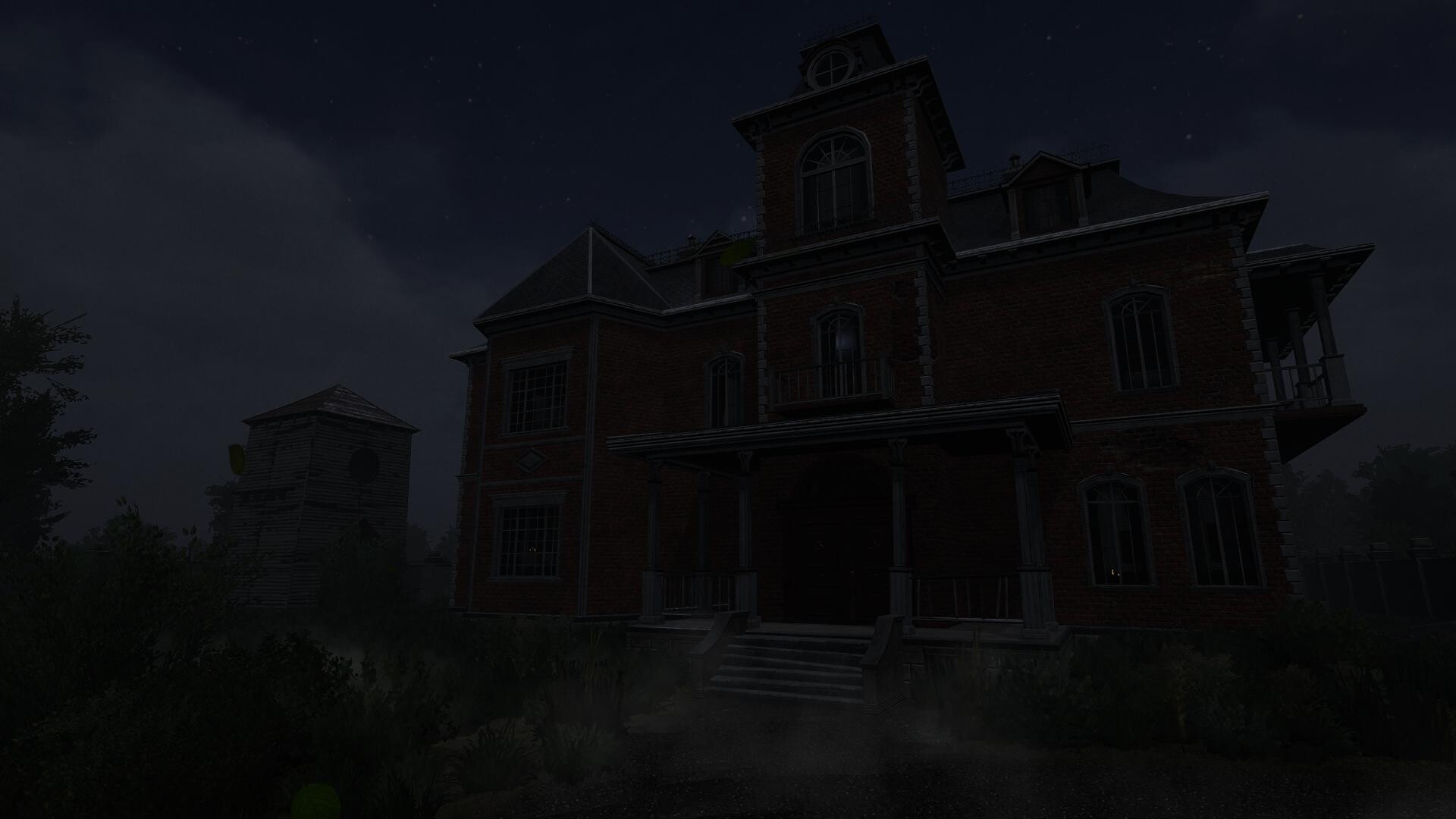
Trace of the Villa positions you inside a decaying mansion where Jin follows manifests and hints that suggest his missing sister may still be alive. Its focus on recovered documents, locked doors and incremental systems restoration promises slow-burn suspense built from atmosphere and uncertainty rather than headline jump scares.

Quick facts
| Title | Trace of the Villa |
|---|---|
| Steam AppID | 3483660 |
| Release date | 28 May, 2026 |
| Developer / Publisher | Steadyturtle Co., Ltd. |
| Genres / Tags | Action, Adventure, Indie — Single-player; Color Alternatives; Custom Volume Controls; Playable without Timed Input; Subtitle Options; Family Sharing |
| Official short description | Jin has spent years searching for his missing sister, pursuing leads that took him to a remote, decaying mansion where he recovered manifests and hints that indicate his sister may still be alive, somewhere at the end of the trail he is about to follow. |
Who is this for?
This one suits players who favor mood-driven horror and investigative pacing over spectacle: people who like piecing together timelines from found documents, exploring lived-in spaces that feel “erased,” and letting dread accumulate through implication. If you value atmospheric mystery adventure, narrative puzzle design, and slow-burn suspense, Trace of the Villa is the kind of Steam indie horror that will speak to you.
What the game is
Trace of the Villa frames a psychological investigation: Jin follows cold leads to a remote, deliberately forgotten mansion, recovers manifests and hints, and restores systems that reveal locked secrets. The official Steam description highlights furnished rooms frozen mid-routine, missing names and photographs, encrypted documents and suspicious transfer records—elements that point to an organized operation rather than a simple haunting.

When and where
Available on Steam (PC) since 28 May, 2026. The Steam page lists Steadyturtle Co., Ltd. as both developer and publisher and includes Steam categories such as Single-player, subtitles, and accessibility-friendly options like “Playable without Timed Input.”
Why the theme matters — restraint as tension
Restraint turns unknowns into the primary antagonist. Rather than answering every question or leaning on shock, the mansion’s omissions—no photographs, falsified identities, financial trails that dead-end—make the player uncomfortable because the mechanics of concealment feel plausible and structural. That procedural plausibility (locked systems, encrypted fragments, transfer records) sustains a psychological dread: the worst part is not a single monster, but the implication that people were moved, catalogued, and forgotten.
How you progress
The official description explains the core loop: Jin recovers manifests and hints, restores power to the estate, and watches secured systems come back online. Hidden compartments and safes yield fragments of encrypted documents and suspicious records; solving those puzzles peels back another layer of a carefully concealed operation. Progress is clue-driven exploration: read items, restore systems, unlock areas, and assemble a timeline that reframes the mansion from residence to instrument of control.
Who should wishlist it
- Players who prefer environmental storytelling and document-based investigation over combat-centric horror.
- Fans of slow-burn suspense, architectural mysteries, and narrative puzzle design.
- Anyone who values accessibility options listed on Steam (subtitles, no timed input) and single-player pacing.
Comparisons — how it sits beside nearby titles
Below is a focused editorial comparison on lawful criteria: genre, atmosphere, puzzle focus, exploration style, story tone and pacing. These are meant to guide taste decisions, not to assert superiority.
| Title | Genres / Key atmosphere | Puzzle / Exploration focus | Story tone & pacing | Player fit |
|---|---|---|---|---|
| Trace of the Villa | Action / Adventure / Indie — mansion mystery, investigative | Clue-driven puzzles, restoring systems, document fragments | Slow-burn, methodical, procedural uncovering of concealed operations | Players who want mood-driven horror and narrative puzzle design |
| Amnesia: The Dark Descent | Action / Adventure / Indie — immersive survival horror | Exploration with survival elements and environmental puzzles | Relentlessly tense and immersive; designed to sustain dread | Players seeking high-immersion survival horror and constant tension |
| SOMA | Action / Adventure / Indie — sci-fi psychological horror | Exploration and narrative puzzles with philosophical themes | Slow-building existential dread, narrative-led pacing | Players drawn to story questions about identity and existence |
| Layers of Fear (2016) | Adventure / Indie — psychological, Victorian mansion atmosphere | Environmental puzzles that serve a fragmented story | Atmospheric and story-heavy; surreal structure and pacing | Players who value storytelling and changing environments |
| Poppy Playtime | Action / Adventure / Indie — horror/puzzle factory setting | Puzzle tools and set-piece encounters with tense moments | Faster pacing with set-piece scares and puzzle challenges | Players who enjoy puzzle-driven tension and more kinetic encounters |
Player scenarios — three concrete ways to approach Trace of the Villa
1) The patient investigator
You play evenings, keep notes, and follow
Steam page
View Trace of the Villa on Steam
YouTube discovery
For trailer and gameplay discovery, use YouTube search rather than relying on unverified embeds: Find Trace of the Villa trailer and gameplay searches on YouTube.
Leave a Reply