Trace of the Villa — an inspection-heavy mansion mystery for clue-driven players
Trace of the Villa (Steadyturtle Co., Ltd.) is an atmospheric mystery adventure on Steam that launched 28 May, 2026. It leans into locked-room thinking and environmental puzzle design: players inspect rooms, restore systems, and follow clue chains across a decaying mansion to piece together who lived there and what was hidden.

At a glance: what Trace of the Villa is
Trace of the Villa casts you as Jin, who has spent years searching for a missing sister and follows a lead to a remote, deliberately forgotten mansion. The Steam listing frames the experience as an investigative, story-rich adventure in which restoring power and inspecting personal belongings unlocks systems, safes, and fragments of encrypted documents that form the next clue.
| Title | Trace of the Villa |
|---|---|
| Steam AppID | 3483660 |
| Release date | 28 May, 2026 |
| Developer / Publisher | Steadyturtle Co., Ltd. |
| Genres | Action, Adventure, Indie |
| Notable Steam categories | Single-player; Color Alternatives; Custom Volume Controls; Playable without Timed Input; Subtitle Options; Family Sharing |
Who is this for?
- Players who prefer slow-burn suspense and mansion mysteries where reading the environment is the main tool for progress.
- Those who enjoy object logic and inspection-heavy gameplay—turning over every document, cataloguing manifests, and connecting forensic details to open the next locked door.
- Fans of narrative puzzle design who want puzzles that serve the investigation (safes, hidden compartments, recovered manifests) rather than stand-alone minigames.
When and where — Steam context
Trace of the Villa is available on Steam (released 28 May, 2026). The store page lists the developer and publisher as Steadyturtle Co., Ltd. and positions the game in Action / Adventure / Indie categories with single-player and accessibility-related options such as subtitle and custom volume controls.
Why the theme matters: erasure, identity, and environmental storytelling
The Steam description emphasises a mansion that feels “less abandoned than erased”: rooms furnished as if occupants vanished mid-routine, locked doors hiding secured secrets, and an absence of names or photographs. That absence is the game’s narrative engine — the traces left behind (manifests, transfer records, encrypted fragments) are the clues players must chain together to make sense of who passed through and why. For players who value story emerging from environmental detail rather than explicit exposition, that framing is central.
How progression works: object logic and clue chains
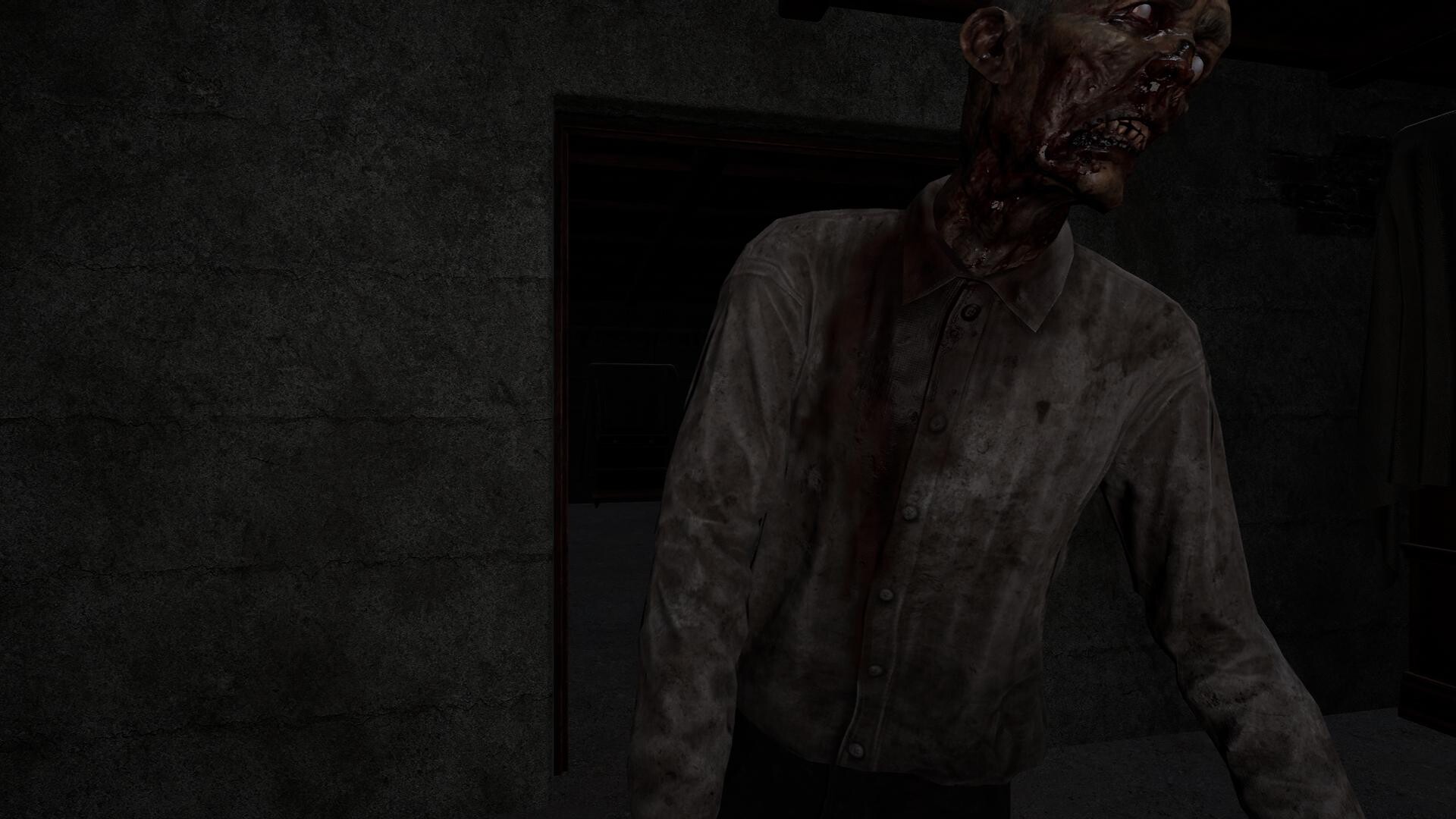
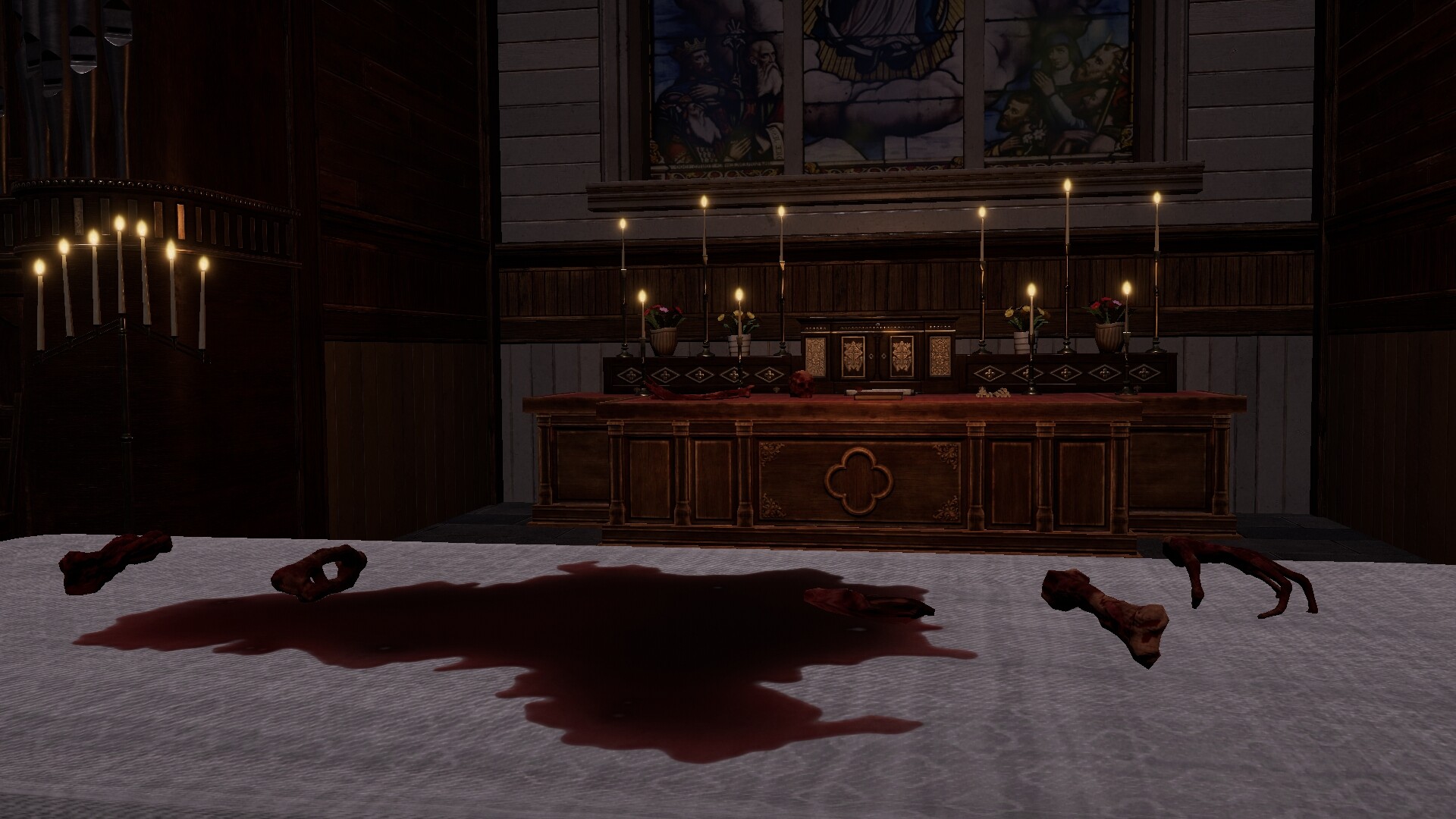
Progression in Trace of the Villa, per the official listing, follows investigation beats rather than combat loops. Examples called out on Steam include restoring power to the estate to bring systems back online, unlocking hidden compartments and safes that reveal fragments of documents, and following financial/identity trails that refuse to resolve neatly. In short: inspect everything, use recovered documents and systems to unlock the next area, and treat each found object as a potential node in a larger chain of evidence.
Player scenarios — who should wishlist it
Scenario A — The methodical detective: You take notes, photograph nothing is off-limits, and you like puzzles that emerge from context rather than rote pattern-matching. Trace of the Villa’s manifests, encrypted fragments, and locked containers are built for you.
Scenario B — The atmosphere-first explorer: You value mood and the slow reveal of a location’s history. The listing’s emphasis on a mansion that seems “erased” suggests this game favours environmental storytelling and tension over action spectacle.
Scenario C — The investigation-focused veteran: You prefer puzzle design that rewards chaining clues and cross-referencing documents. The Steam description promises encrypted documents and financial trails that require synthesis across multiple findings.
How it compares — lawful editorial comparison
| Title | Primary genre / tone | Puzzle focus | Exploration style | Pacing |
|---|---|---|---|---|
| Trace of the Villa | Action / Adventure / Indie — mansion mystery, investigation-driven | Object logic, document chains, safes/hidden compartments (inspection-heavy) | Single-player, methodical room-by-room reading of environment | Slow-burn, investigative |
| The Room | Adventure / Indie — occult attic safe puzzle | Mechanical puzzle boxes and focused tactile puzzles | Single-room, object-focused escape puzzle | Concentrated, puzzle-box tempo |
| The Room Two | Adventure / Indie — crypt and pedestal-based puzzles | Layered tactile puzzle boxes, escalating mechanics | Series of contained, handcrafted puzzle environments | Measured, increasing complexity |
| Escape Simulator | Adventure / Simulation / Indie — cooperative, interactive rooms | Highly interactive environmental puzzles; physics and object manipulation | Multiple themed rooms, community-made content, solo or co-op | Varied; often faster, sandboxy experimentation |
| Hi-Fi RUSH | Action — rhythm-driven combat/action | Action and timing mechanics rather than inspection puzzles | Paced around combat encounters and musical sync | Upbeat, fast-paced |
Bottom line: if your preference is investigative, inspection-first puzzles and atmosphere-led narrative, Trace of the Villa sits closer to The Room’s dedication to objects and Escape Simulator’s environmental interactivity than to action- or rhythm-first titles like Hi‑Fi RUSH. The Steam description and categories indicate single-player, subtitle options, and controls suitable for players who prefer untimed, contemplative investigation.
YouTube discovery
Search for trailers and gameplay footage using: Trace of the Villa trailer & gameplay on YouTube. (Search link only — the store metadata does not verify a single official video location.)
Steam page CTA: Visit Trace of the Villa on Steam
Referenced titles and trademarks belong to their respective owners. Comparisons above are editorial discovery based on genre, atmosphere, puzzle focus, exploration style, story tone, and pacing; they are not endorsements.
Leave a Reply