
Trace of the Villa — an inspection-heavy mansion mystery for clue readers
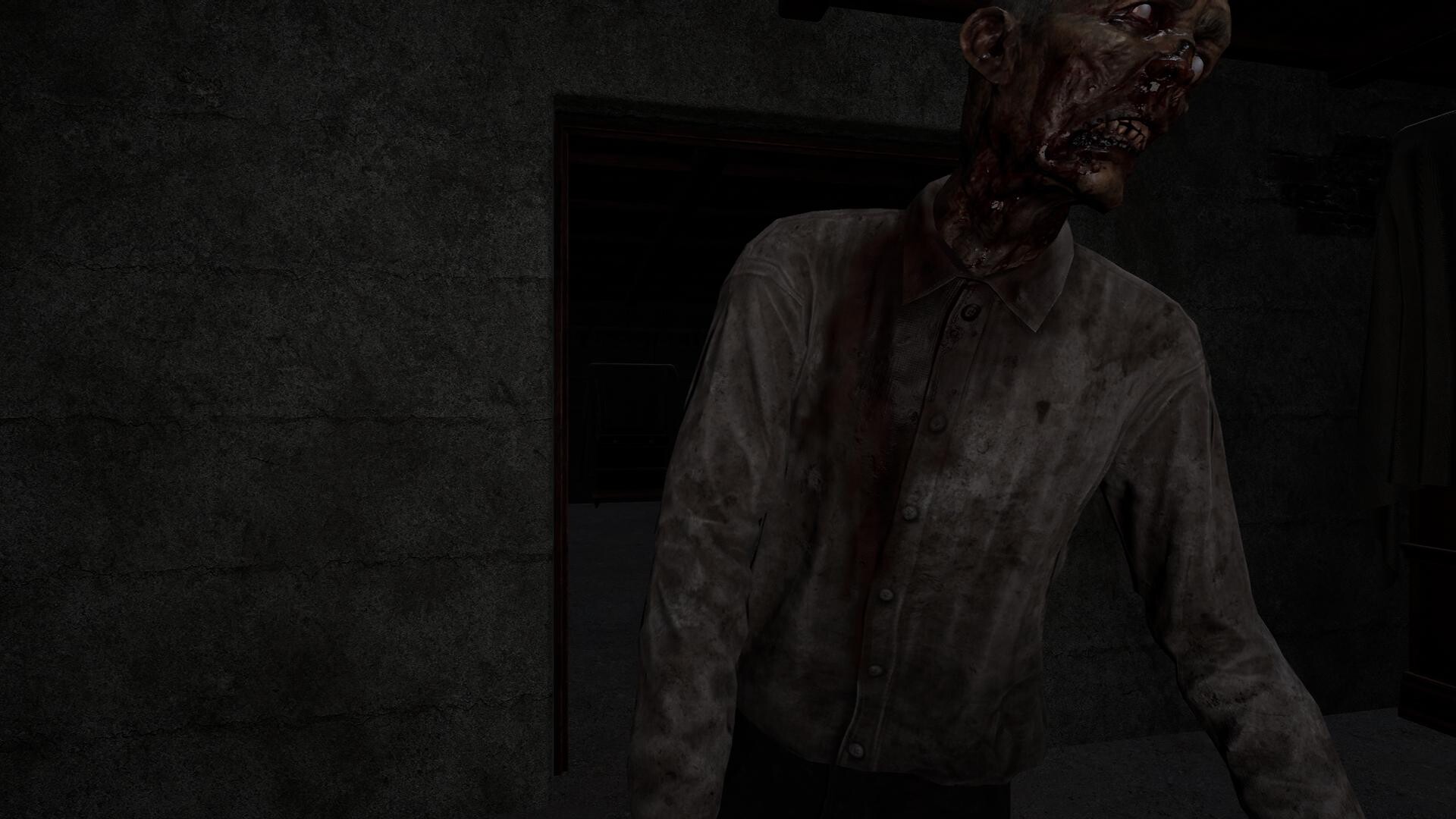
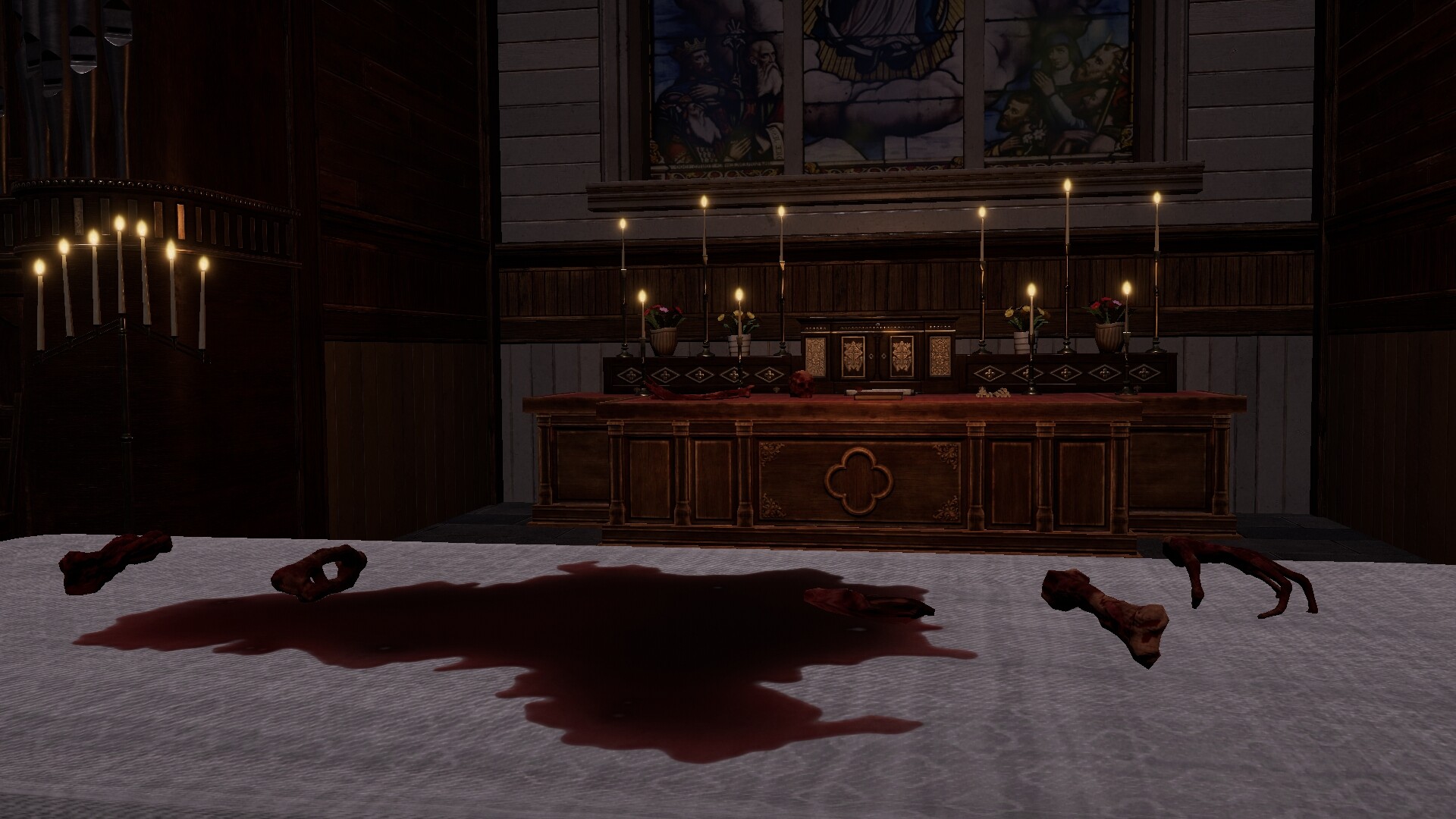
Trace of the Villa (Steadyturtle Co., Ltd., released 28 May, 2026) frames its investigation as a slow, object-driven unravel: you play Jin, following traces in a decaying, deliberately erased mansion where power, safes and hidden systems must be restored to reveal what happened. If you prefer puzzles that reward careful inspection and connecting physical clues across rooms rather than fast reflexes, this one is explicitly pitched at that playstyle.

Who should wishlist Trace of the Villa?
- Players who enjoy slow-burn atmospheric mystery adventures and psychological investigation rooted in place, not combat spectacle.
- Puzzle fans who prefer object logic and chained clues — reading the environment, restoring systems, then following the next hint — rather than timed sequences or reflex tests (the game is listed as Playable without Timed Input).
- Single-player PC players who appreciate subtitle options, color alternatives and fine volume controls for tailored accessibility.
What the game is (short facts)
| Title | Trace of the Villa |
|---|---|
| Developer / Publisher | Steadyturtle Co., Ltd. |
| Release date | 28 May, 2026 |
| Genres | Action, Adventure, Indie |
| Steam categories | Single-player; Color Alternatives; Custom Volume Controls; Playable without Timed Input; Subtitle Options; Family Sharing |
| Short premise | Jin investigates a remote, decaying mansion after leads suggest his missing sister may still be alive; restoring power and uncovering locked systems reveals encrypted documents, hidden compartments and a pattern of falsified identities. |
When and where
Trace of the Villa was released on Steam on 28 May, 2026. It’s presented as a single-player PC experience on the Steam store (app ID 3483660).
Why the theme matters: identity, erasure and environmental storytelling
The official description frames the mansion not simply as abandoned but as “erased”: rooms furnished as if occupants vanished mid-routine, belongings left intact but names and photographs removed. That design choice pushes the game toward environmental reading — the player is asked to infer who lived there, what routines were interrupted, and how institutional systems concealed movements. Those are fertile foundations for puzzles driven by object logic: a burned ledger suggests a financial trail, a dead circuit box invites a stepwise restoration, a safe yields a fragment that points to a different room. The premise makes your role as reader of space the primary tool.
How progression looks — inspection, chained clues and system restoration
The Steam description repeatedly emphasizes restoring power and systems: when Jin restores power, “secured systems come back online,” “hidden compartments unlock,” and safes “yield fragments of encrypted documents and suspicious transfer records.” That phrasing implies a progression model built around sequences of discovery: recover an interface or switch, gain access to a compartment, read a document that points to another container or terminal. For players who like to trace logic across an environment — following a red thread from one solved object to the next — that is the expected loop.
How Trace of the Villa compares to nearby mystery/puzzle games
Below is a compact editorial comparison focused on puzzle focus, atmosphere, exploration style, story tone, and pacing. This is an editorial discovery, not a claim of superiority.
| Title | Genre / Atmosphere | Puzzle focus | Exploration style | Story tone / Pacing |
|---|---|---|---|---|
| Trace of the Villa | Action / Adventure / Indie — mansion mystery, erased identities | Inspection-heavy object logic, system restoration, chained clue progression | Room-to-room environmental reading, locked doors and hidden compartments | Slow-burn, investigative — narrative revealed by documents and systems |
| The Room (series) | Adventure / Indie — intimate physical puzzler, uncanny artifacts | Mechanical puzzle boxes, tactile manipulation of objects | Isolated puzzle chambers or boxes rather than a sprawling estate | Focused, often occult-tinged mystery that resolves puzzle-by-puzzle |
| Escape Simulator | Adventure / Casual — playful, highly interactive escape rooms | Physical interaction, item manipulation, sandbox escape puzzles | Discrete rooms and scenarios; community-made variety | Often fast-paced or cooperative, sandbox-oriented rather than narrative-led |
Player scenarios — who will get the most from Trace of the Villa?
- Puzzle methodologist: You like to catalogue items, cross-reference documents, and build a chain of evidence. The game’s emphasis on safes, encrypted fragments and restored systems rewards methodical note-taking and return visits to previously locked spaces.
- Atmospheric reader: You prioritize mood and implication over explicit exposition. If you enjoy piecing meaning out of objects and empty rooms, the erased-identity premise will be compelling.
- Slow-play detective: You prefer single-player, untimed puzzles that let you linger on detail and examine environmental inconsistencies rather than speedruns or twitch-based challenges. The Steam tag “Playable without Timed Input” aligns with that preference.
Accessibility and practical notes
- Steam categories list Subtitle Options, Color Alternatives, and Custom Volume Controls — useful for players who need interface or visual adjustments.
- The game is Single-player on Steam; Family Sharing is supported per the Steam listing.
Where to find more — Steam and trailer search
If this read fits your tastes, the Steam page is the direct place to wishlish and read the full store description:
View Trace of the Villa on Steam
For trailer and gameplay clips, search YouTube (useful when you want to judge pacing and visual detail): YouTube search: Trace of the Villa trailer / gameplay. This is a discovery path; specific videos should be verified on the upload page.
Final take
Trace of the Villa looks aimed at players who read rooms as evidence, prefer puzzles that chain logically across an environment, and enjoy narrative payoff through recovered documents and system reveals. If you like The Room for its object puzzles but want a broader estate to investigate, or if you prefer slower, story-led mystery over the sandboxes of Escape Simulator, this is the kind of Steam indie mystery to consider adding to your wishlist.
Referenced titles and trademarks belong to their respective owners. Comparisons in this article are editorial discovery only and not an endorsement or sponsorship.
Leave a Reply