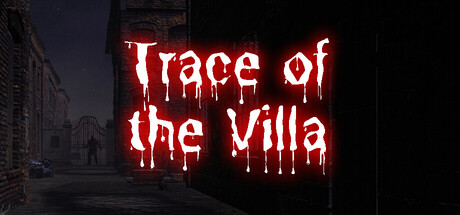
Trace of the Villa — a story-first mansion mystery built around clues and erasure
Trace of the Villa puts you in Jin’s shoes—an investigator chasing a cold lead that points to a remote, decaying mansion where recovered manifests and hints suggest his missing sister may still be alive. Released on 28 May, 2026 by Steadyturtle Co., Ltd., the game foregrounds environmental storytelling, slow-burn suspense, and puzzle-driven discovery over jumpscare spectacle.

Who this is for
If you prefer story-first mystery design — where atmosphere, investigation, and slow accumulation of meaning matter more than combat intensity — Trace of the Villa is aimed at you. Players who enjoy environmental storytelling, puzzle-led progression, and a measured uncovering of backstory (rather than overt exposition) should wishlist it on Steam.
What the game is
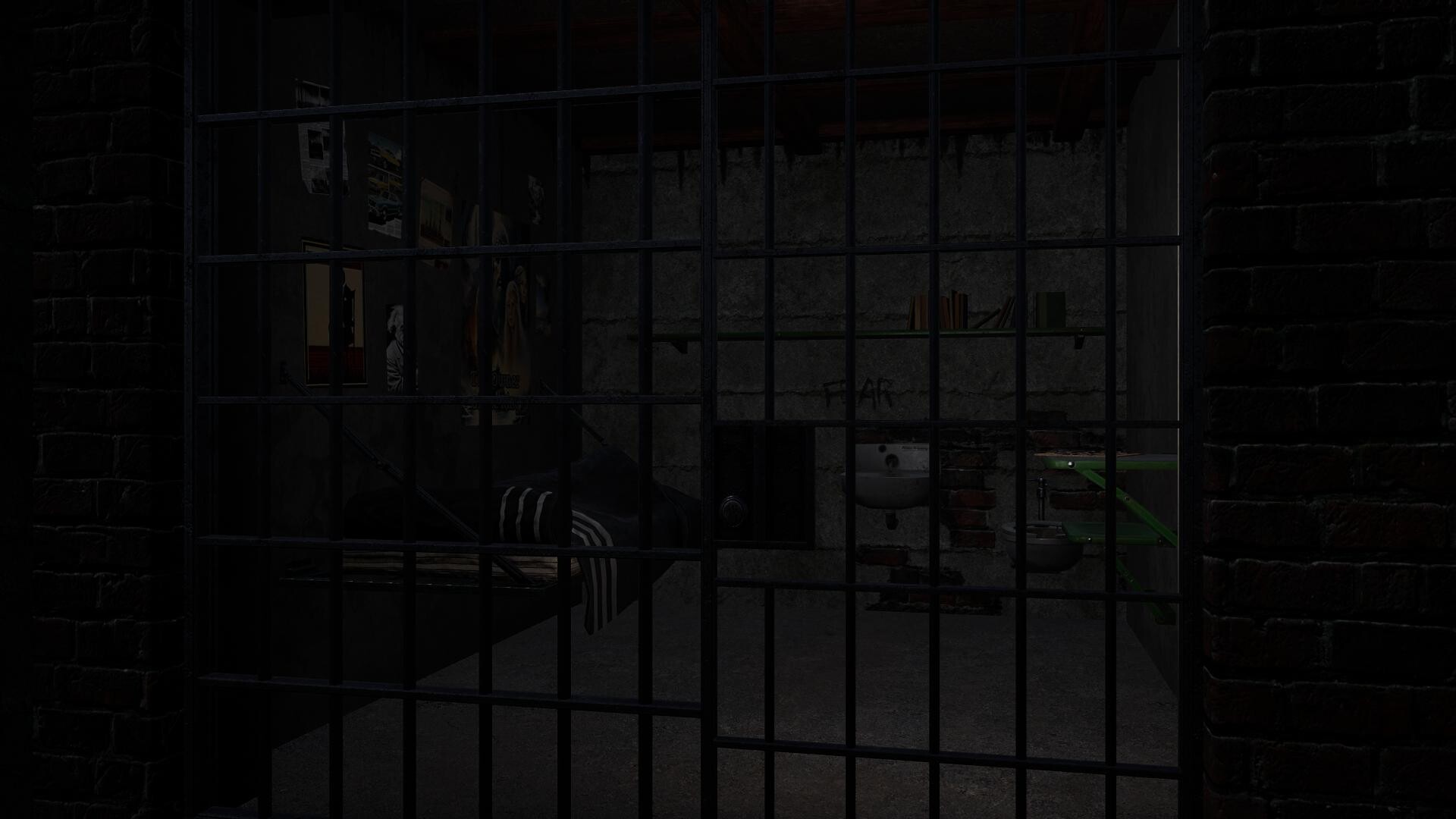
Trace of the Villa is an Action / Adventure / Indie title from Steadyturtle Co., Ltd. The official premise centers on Jin, who has spent years searching for his missing sister; a lead draws him to a deliberately forgotten mansion where manifests and hints suggest she might still be alive. The estate feels “less abandoned than erased,” and restoring power and systems reveals encrypted documents, safes, and evidence of a larger operation rather than a simple family home.
| Title | Trace of the Villa |
|---|---|
| Steam AppID | 3483660 |
| Release date | 28 May, 2026 |
| Developer | Steadyturtle Co., Ltd. |
| Publisher | Steadyturtle Co., Ltd. |
| Genres | Action, Adventure, Indie |
| Notable Steam categories | Single-player; Color Alternatives; Custom Volume Controls; Playable without Timed Input; Subtitle Options; Family Sharing |
When and where to play
Trace of the Villa is available on Steam (PC) and launched on 28 May, 2026. Use the Steam store page to wishlist and check system/locale options; the page lists accessibility-friendly categories such as subtitle options and settings for color alternatives.
Why the narrative angle matters
Unlike mystery games that reveal motives through large expository beats, Trace of the Villa leans into erasure as a thematic device: rooms staged as if abandoned mid-routine, missing names or photos, falsified records, and encrypted fragments. That approach shifts the player’s task from being told a story to reconstructing it from evidence, which rewards readers of detail and players who enjoy making associative leaps across found objects, logs, and restored systems.
How you uncover meaning and progress
The official description emphasizes restoring power to the estate and bringing secured systems back online as a central mechanic: when Jin restores power, hidden compartments open, safes yield fragments, and secured systems begin to disclose financial trails and falsified identities. Progress is clue-driven — solve environmental puzzles, unlock encrypted documents, and follow patterns in transfer records and manifests to build a timeline and motive chain.

Player scenarios — who will enjoy this most
- Slow-burn investigators: You like picking apart a house for meaning and parsing half-formed clues into a coherent timeline.
- Environmental story readers: You prefer ambience and small artefacts that imply larger systems rather than explicit cutscenes.
- Puzzle-oriented explorers: You enjoy unlocking secured systems and piecing together encrypted fragments as primary gameplay loops.
- Accessibility-minded players: You want subtitle options, color alternatives, and options that avoid strict timed inputs.
How it compares to similar story-rich mysteries
Below is an editorial comparison focusing on genre, atmosphere, puzzle emphasis, exploration style, story tone, and pacing. These comparisons are editorial discovery — not claims of endorsement or superiority.
| Title | Genre / Core feel | Atmosphere | Puzzle / Exploration focus | Story tone | Pacing / Player fit |
|---|---|---|---|---|---|
| Trace of the Villa | Action / Adventure / Indie | Mansion mystery, erased identities, slow-burn dread | Clue-driven: restore systems, decrypt documents, open safes | Personal investigation with hints of a larger operation | Measured, investigative — for patients who read into world details |
| Inscryption | Adventure / Indie / Strategy (card-based) | Inky psychological horror, theatrical dread | Puzzle and meta-puzzle design folded into card mechanics | Meta-narrative, unsettling and self-referential | Dense, surprises; suits players who like mechanics-as-story |
| Outer Wilds | Action / Adventure | Open-world cosmic curiosity | Exploration-first, physics and discovery puzzles across a solar system | Wide-eyed mystery about cycles and fate (not a mansion tone) | Slow-burn but expansive; ideal for players who enjoy non-linear discovery |
| Journey | Adventure / Indie | Silent, contemplative, visually driven | Minimal puzzles; exploration and emotional arc | Meditative and symbolic | Short, poetic; for those seeking atmosphere over investigative complexity |
| The Forgotten City | Adventure / Indie / RPG | Time-loop mystery with moral stakes | Puzzle and narrative choices with time-manipulation mechanics | Investigative and philosophical | Puzzle-forward with robust narrative payoff; appeals to reasoners |
| The Medium | Adventure | Psychological horror split between real and spirit realms | Dual-reality puzzles and environmental investigation | Trauma-focused, eerie | Paced for players who enjoy psychological tone and dual-reality mechanics |
Deciding whether to wishlist
Wishlist Trace of the Villa if you want a story-first mystery that asks you to assemble a case from staged rooms, manifests, and digital fragments rather than rely on cutscene exposition. If you prefer fast action or mechanic-heavy gameplay over a slow, interpretive investigation, this might not match your playstyle.
YouTube discovery
Search for trailers and gameplay using this YouTube discovery link (useful for finding trailers and player footage; not claimed as an official channel): Trace of the Villa — YouTube search.
Visit the Steam store
Leave a Reply