
Trace of the Villa — an escape-room style mansion mystery built around power, safes, and paper trails
Trace of the Villa places you in Jin’s shoes as he follows a cold lead to a cut‑off, decaying mansion where restoring power and reading the environment unlocks the story. The game launched on 28 May, 2026 from Steadyturtle Co., Ltd., and it leans on locked‑room thinking, chained clues, and recovered documents to drive its investigation.

Who, what, when, where, why, how
Who is this for?
Players who prefer narrative puzzle design over combat—those who enjoy atmospheric mystery adventure, slow‑burn suspense, and methodical clue chains—will find this suited to their tastes. If you value environmental storytelling and the satisfaction of reassembling a timeline from safes, manifests, and encrypted documents, Trace of the Villa is aimed at you.
What is the game?
Trace of the Villa is an Action/Adventure indie on PC (Steam) developed and published by Steadyturtle Co., Ltd. Its official premise places protagonist Jin in a remote mansion where evidence suggests people were processed or moved under strict control; the house itself holds manifests, locked compartments and encrypted records that reveal a deliberately obscured operation.
When and where is it available?
The game released on Steam on 28 May, 2026. It appears on the Steam store as a single‑player title with accessibility options such as subtitle options, custom volume controls, and color alternatives.
Why does the theme matter?
The central conceit—power restoration as a narrative mechanic—turns the mansion into an investigative tool. When Jin brings systems back online the estate reveals more of its secrets: secured systems reawaken, hidden compartments become accessible, and safes yield fragments of encrypted documents and suspicious transfer records. That design makes the house itself the puzzle: every recovered file or powered device reframes earlier clues and forces the player to read the environment carefully.
How do you progress?
Progression hinges on environmental reading and chained problem solving. Official descriptions mention restoring power, reactivating secured systems, unlocking hidden compartments and safes, and recovering manifests and encrypted documents. These elements set up a clue‑driven loop: restore or access a system, obtain a fragment of information, cross‑reference that fragment with other items or locations, open the next locked area. That locked‑room thinking rewards patience and attention to context rather than reflexes; the Steam page explicitly lists “Playable without Timed Input,” reinforcing a measured investigative pace.
Key official details
| Title | Trace of the Villa |
|---|---|
| Steam App ID | 3483660 |
| Release date | 28 May, 2026 |
| Developer / Publisher | Steadyturtle Co., Ltd. |
| Genres | Action, Adventure, Indie |
| Categories / Accessibility | Single-player; Color Alternatives; Custom Volume Controls; Playable without Timed Input; Subtitle Options; Family Sharing |
| Official short description | Jin has spent years searching for his missing sister, pursuing leads that took him to a remote, decaying mansion where he recovered manifests and hints that indicate his sister may still be alive, somewhere at the end of the trail he is about to follow. |
How locked‑room thinking, clue chains, and environmental reading fit the premise
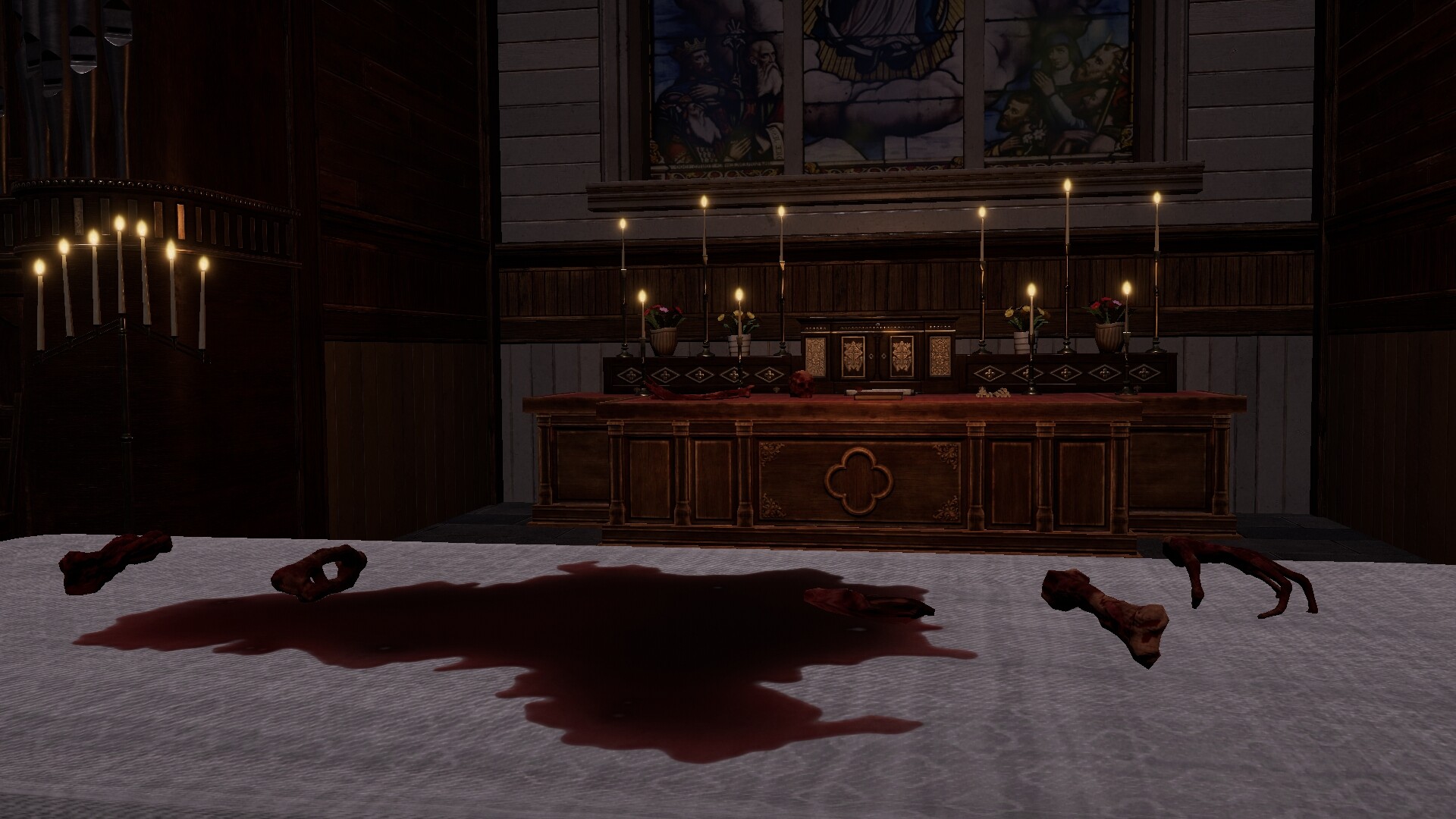
Trace of the Villa foregrounds power and systems as both obstacles and storytelling beats. Restoring electricity is not only a utility: it is the mechanism by which rooms reveal their histories. Safes and hidden compartments provide discrete puzzle moments that yield documents—manifests, transfer records, and encrypted fragments—that must be assembled like a ledger. In practice this creates a layered detective loop: the environment gives physical locks and visual cues; the recovered documents provide the connective tissue for larger patterns (arrivals without records, departures without witnesses); and reactivating systems opens new nodes in a chain of clues. The result is an experience where deduction and careful note‑taking are as important as in‑scene puzzle solutions.

Player scenarios — who should wishlist this
- The methodical investigator: You enjoy slow, document‑driven reveals and linking small details into a broader conspiracy. The game’s emphasis on manifests, transfer records and encrypted fragments is made for you.
- The environment reader: If you take pleasure in reading a room—furniture placement, absent photographs, and rearranged personal items—and letting visual context suggest story beats, the mansion’s “erased” occupants provide that space.
- The locked‑room puzzle fan: You prefer discrete moments of access (safes, hidden compartments, reactivated systems) that reward chained problem solving over action or timed tests—Trace of the Villa explicitly supports play without timed input.
- The narrative explorer: If uncovering a timeline and following financial or identity trails through documents is appealing, the game’s financial trails and falsified identities are central investigative hooks on the Steam page.
How it compares to nearby puzzle/mystery experiences
Below is an editorial comparison on lawful criteria—genre, atmosphere, puzzle focus, exploration style and pacing—so you can decide which title matches your preference.
| Title | Release date | Core puzzle focus | Atmosphere / pacing | Player fit |
|---|---|---|---|---|
| The Room | 28 Jul, 2014 | Mechanical safes and tactile puzzle boxes | Dense, intimate, cryptic; deliberate pacing | Players who like close‑up, tactile puzzle design and isolated mystery moments |
| The Room Two | 5 Jul, 2016 | Expanded sequence puzzles and layered mechanical devices | Broader scope but similar cryptic tension | Fans of atmospheric box puzzles with a serialized feel |
| Escape Simulator | 19 Oct, 2021 | Highly interactive
Steam pageView Trace of the Villa on Steam YouTube discoveryFor trailer and gameplay discovery, use YouTube search rather than relying on unverified embeds: Find Trace of the Villa trailer and gameplay searches on YouTube. CommentsMore posts |
Leave a Reply