
Trace of the Villa — where locked-room thinking meets slow-burn, inspection-heavy puzzle design
Trace of the Villa is a story-driven mystery adventure that asks you to read rooms as evidence: a decaying mansion, power to be restored, and a chain of clues leading deeper into a concealed operation. Released 28 May, 2026 by Steadyturtle Co., Ltd., the game is built around environmental puzzles, object logic, and methodical inspection rather than twitch reactions.

What is Trace of the Villa?
Officially described on Steam as: “Jin has spent years searching for his missing sister, pursuing leads that took him to a remote, decaying mansion where he recovered manifests and hints that indicate his sister may still be alive, somewhere at the end of the trail he is about to follow.” The developer and publisher are Steadyturtle Co., Ltd., and the game sits in Action / Adventure / Indie genres with single-player-focused categories and accessibility options such as color alternatives and subtitle support.
When and where
Trace of the Villa launched on Steam on 28 May, 2026. You can view the store page and add it to your wishlist on Steam at the official page. The title is a PC-focused single-player experience on Steam (Steam App ID 3483660).
How the game structures its puzzles — object logic and environmental reading
The game’s official description makes its progression strategy explicit: restoring power to the estate brings systems back online, hidden compartments open, and safes reveal fragments of encrypted documents and suspicious transfer records. That is deliberately inspection-heavy design: you don’t just flip switches to solve isolated riddles, you gather physical traces and financial clues that chain into the next barrier. Expect locked-room thinking (closed areas that must be parsed for context), puzzle chains (one discovery enabling the next), and environmental storytelling where a room’s state — what’s present, what’s been removed, what’s sealed — is itself a clue.
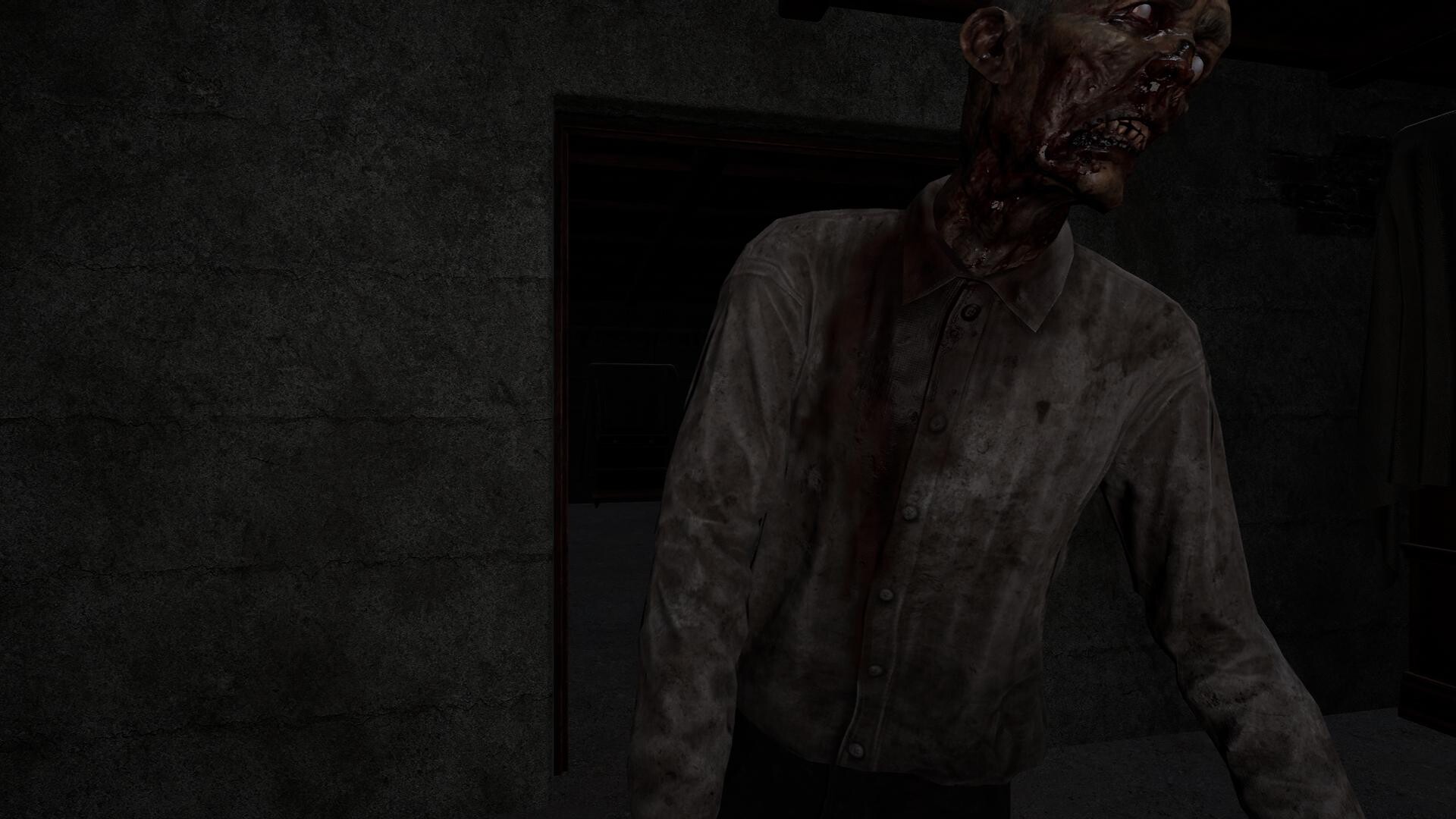
That approach favors deduction over dexterity. Instead of pattern-matching mini-games or timed escape sequences, progress appears tied to assembling evidence — documents, manifests, and system logs — and interpreting them to unlock the mansion’s next secret.
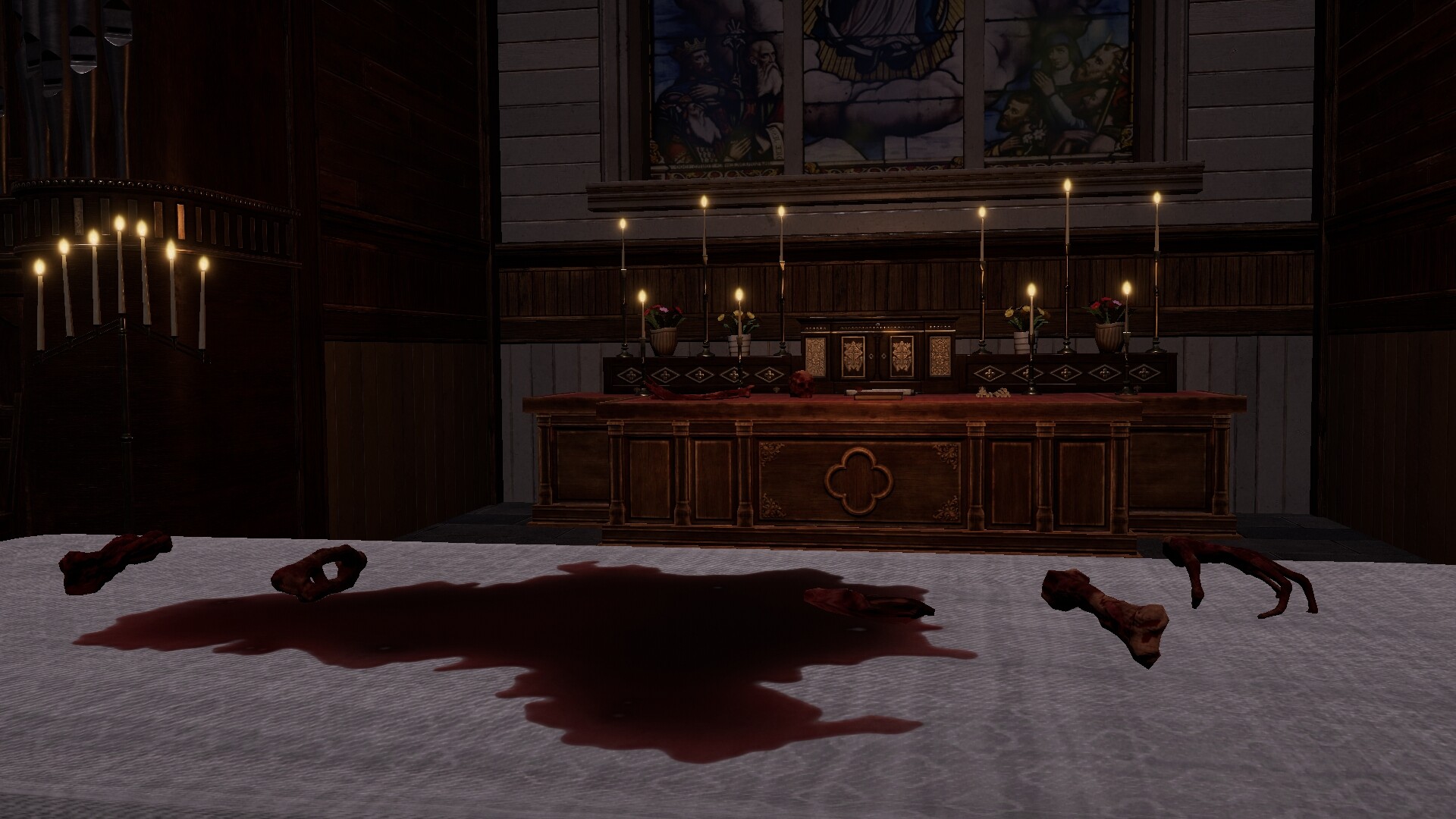
Who is this for?
Trace of the Villa will appeal to players who prefer slow-burn suspense and methodical exploration over fast-paced action. If you enjoy:
- inspection-heavy play — studying surfaces, documents, and locked compartments;
- clue chains that require combining small discoveries into larger deductions;
- environmental storytelling where atmosphere and object placement do narrative work;
- a solitary, single-player experience focused on investigation rather than co-op or competitive elements;
— then you should consider wishlisting Trace of the Villa. If you lean toward frantic time limits, physics-driven room manipulation, or co-op escape-room chaos, this title’s emphasis on narrative puzzle design and evidence-reading may feel intentionally restrained.
Specific player scenarios
- Inspection-focused detective: You prefer scanning every drawer, reading documents repeatedly, and mapping how items interlock. Trace of the Villa’s document- and system-driven reveals suit you.
- Locked-room puzzle fan: You like rooms that act as self-contained cases where a correct sequence of clues opens a new area; the mansion’s sealed quarters and restored systems lean into that pattern.
- Atmosphere-first explorer: If a slow, unsettling mansion mystery with few jump scares but heavy suggestion and removed identities appeals, this is a fit.
- Not for you if: You want quick, physics-playable escape rooms with online co-op (see comparison below), or primarily arcade, rhythm, or sports-type gameplay.
Compact facts — Trace of the Villa
| Title | Trace of the Villa |
|---|---|
| Release date (Steam) | 28 May, 2026 |
| Developer | Steadyturtle Co., Ltd. |
| Publisher | Steadyturtle Co., Ltd. |
| Genres | Action, Adventure, Indie |
| Key categories | Single-player, Color Alternatives, Custom Volume Controls, Playable without Timed Input, Subtitle Options, Family Sharing |
| Steam page | View on Steam |
How it compares to nearby mystery and escape-room titles
Below is an editorial comparison on lawful criteria: puzzle focus, atmosphere, exploration style, and pacing. These are written to help you decide which experience matches your taste.
| Game | Puzzle focus | Atmosphere | Exploration style | Pacing |
|---|---|---|---|---|
| Trace of the Villa | Inspection-heavy, clue chains, object logic and systems restoration (document and evidence-driven) | Decaying mansion, unsettling and erased identities, narrative mystery | Single-player, story-first rooms that unlock as you restore systems | Slow-burn, methodical |
| The Room | Mechanical puzzle boxes and tactile manipulation of devices | Claustrophobic, uncanny objects and occult suggestion | Focused on isolated puzzle chambers and single-object inspection | Measured, puzzle-centric |
| The Room Two | Expanded mechanical puzzles with layered devices | Cryptic, antique-tinged mystery | Discrete puzzle locations and device-oriented interaction | Measured, cerebral |
Escape Simulator
YouTube discoveryFor trailer and gameplay discovery, use YouTube search rather than relying on unverified embeds: Find Trace of the Villa trailer and gameplay searches on YouTube. CommentsMore posts |
Leave a Reply