Trace of the Villa: puzzles as evidence in a mansion mystery
Trace of the Villa casts players as Jin, a man tracking a missing sister into a remote, decaying mansion where recovered manifests and hints imply she may still be alive. The game uses environmental puzzles, object logic, and layered story clues so that every solved cipher or unlocked compartment functions as evidence that reshapes the mystery’s timeline.

| Title | Trace of the Villa |
|---|---|
| Steam appid | 3483660 |
| Release date | 28 May, 2026 |
| Developer / Publisher | Steadyturtle Co., Ltd. |
| Genres | Action, Adventure, Indie |
| Categories | Single-player; Color Alternatives; Custom Volume Controls; Playable without Timed Input; Subtitle Options; Family Sharing |
Who this is for
If you prefer story-rich adventure that treats puzzles like pieces of a case file—rather than isolated brainteasers—Trace of the Villa aims at players who enjoy atmospheric mystery adventure and psychological investigation. It’s suited to those who want exploration with cautious pacing and puzzles that change what you believe about the plot.
What the game actually is
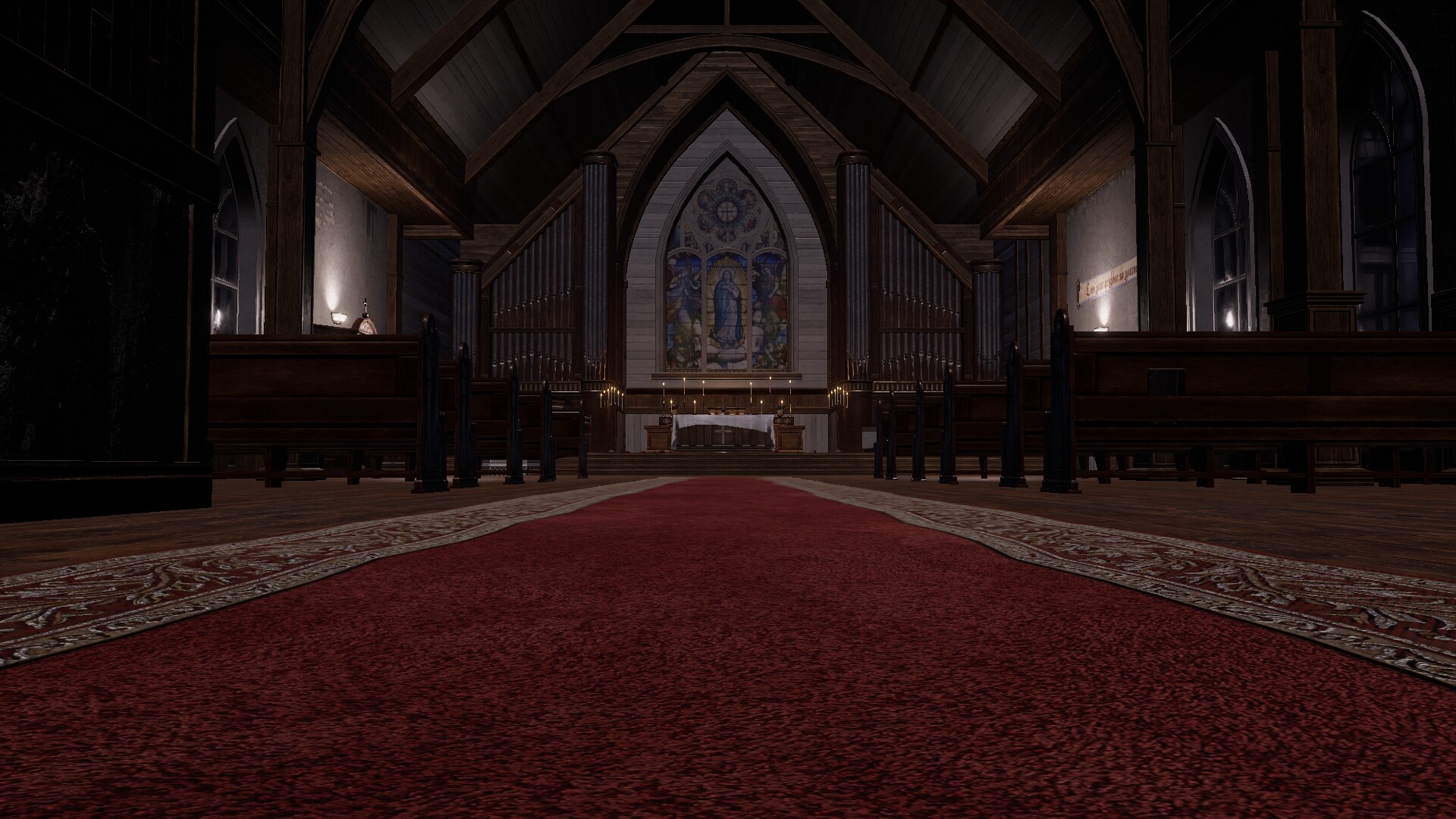
According to the Steam listing, Jin has spent years searching for his missing sister. A lead points to a deliberately forgotten mansion cut off from the grid; inside, rooms appear “erased” rather than abandoned. Restoring power and solving locked systems reveals fragments of encrypted documents, suspicious transfers, and falsified identities—puzzles that function as evidence pointing toward a larger, concealed operation.
When and where
Trace of the Villa released on 28 May, 2026 and is listed on Steam for PC. The Steam page lists the developer and publisher as Steadyturtle Co., Ltd. and classifies the title under Action, Adventure, and Indie.

Why the theme matters: puzzles as evidence and narrative logic
Many adventure games use puzzles as obstacles; Trace of the Villa presents them as investigative evidence. That editorial choice makes each solved mechanism more than a gateway—it’s a statement about who was here, what they were doing, and how identities were erased. When puzzles yield manifests, encrypted notes, or transfer records, they change the narrative logic: you stop solving to advance and start reading to corroborate a timeline.
How you read clues and progress
Progression in Trace of the Villa centers on three interlocking systems:
- Clue reading: environmental details, missing photographs, and documents operate as corroborating evidence rather than decoration; patterns you spot alter your understanding of past events.
- Object logic: physical items—safes, locked doors, powered systems—require applying discovered keys, codes, or restored power to reveal next pieces of proof.
- Story puzzles: encrypted fragments and manifests function narratively; solving them stitches together a timeline that frames the mansion as part of a larger operation.
Design that treats puzzles as evidence rewards careful observation and synthesis: the player who cross-references fragments and reinterprets earlier scenes will find the narrative structure itself evolving.
Player scenarios — decide whether to wishlist it
- If you like slow-burn mystery: You’ll appreciate the mansion’s atmosphere and the way each unlocked compartment reframes prior discoveries.
- If you prioritize puzzle-as-mechanics: The game includes object-driven puzzles and systems restoration; expect mechanical problem-solving tied closely to narrative beats.
- If you want fast gameplay or heavy action: The Steam tags focus on adventure and indie with accessibility options (playable without timed input, subtitles); the tagline and description emphasize investigation and layered revelation rather than arcade pacing.
How it compares — a compact editorial table
| Title | Primary puzzle style | Atmosphere / tone | Exploration | Pacing / player fit |
|---|---|---|---|---|
| Trace of the Villa | Evidence-driven, object logic, encrypted documents | Atmospheric mansion mystery, psychological investigation | Single-location mansion with layered systems | Slow-burn, investigative players who synthesize clues |
| The Room / The Room Two | Mechanical safes & tactile puzzle boxes | Isolated, esoteric curiosity; tactile wonder | Focus on single-room puzzle locales | Players who enjoy precise mechanical puzzles and tactile interaction |
| Unpacking | Spatial, object-placement puzzles that reveal backstory | Zen, domestic, quietly observational | Series of domestic spaces revealing life through objects | Players who prefer gentle, narrative archaeology and mood over high tension |
| Escape Simulator | Highly interactive escape-room puzzles | Playful, puzzle-focused, community-driven | Multiple distinct rooms with heavy object interaction | Players who like dense interactivity and optional co-op |
Editorial note: comparisons are drawn by puzzle focus, atmosphere, exploration style, and player fit based on each title’s public descriptions and tags.
Where to learn more (YouTube discovery)
For trailers and gameplay searches, use this YouTube discovery path: search Trace of the Villa on YouTube. This is a search/discovery link and not a claim that a specific video is official.
Steam page: Trace of the Villa on Steam
Disclaimer: Referenced titles and trademarks belong to their respective owners; this article uses public Steam descriptions and editorial comparison only.
Leave a Reply