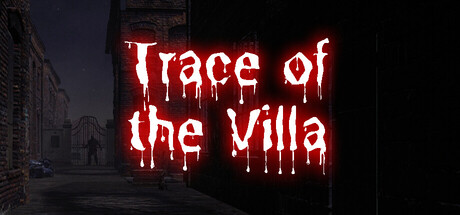
Trace of the Villa — why quiet uncertainty beats jump scares in psychological mansion mysteries
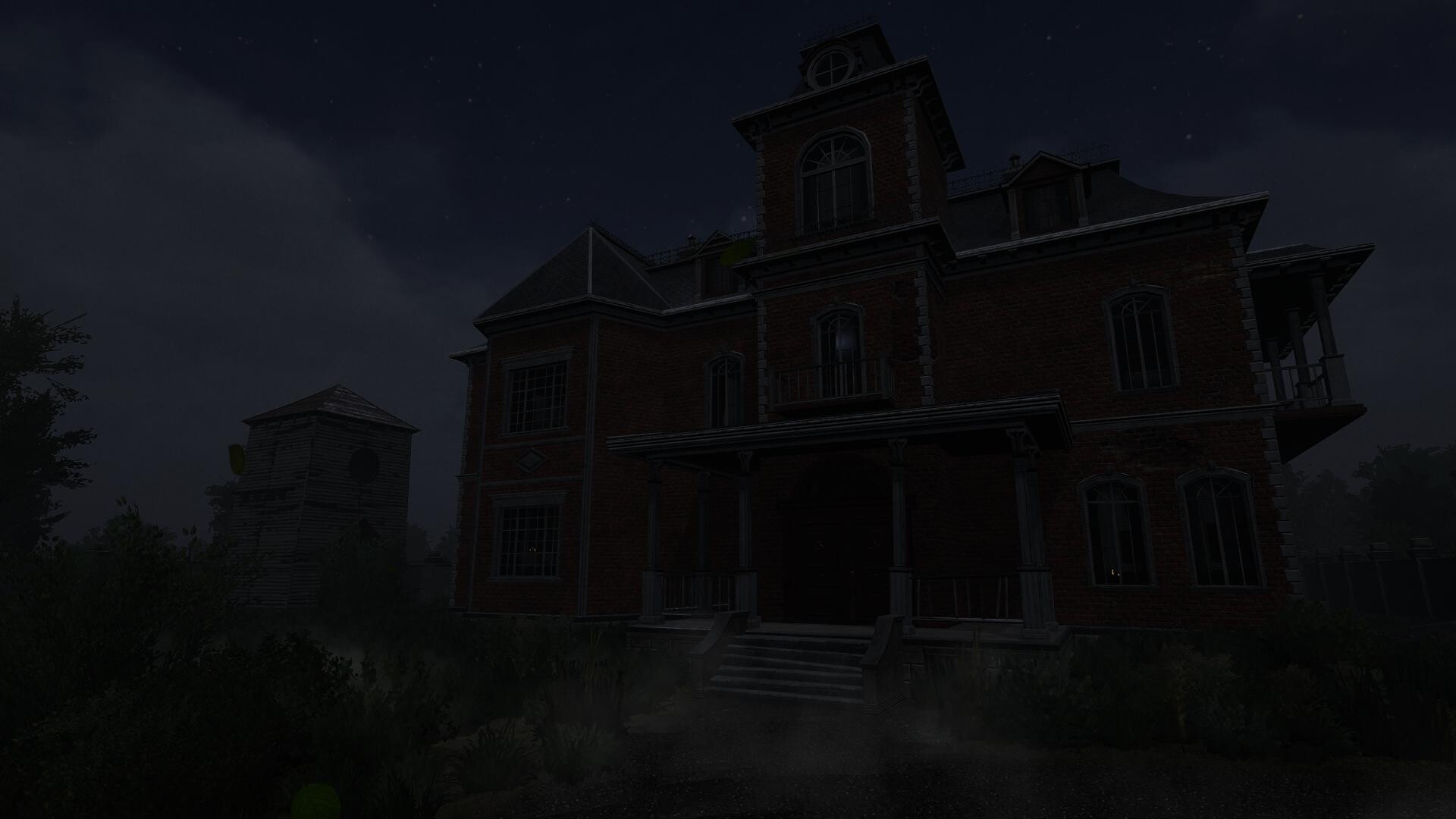
Trace of the Villa drops players into a decaying, deliberately forgotten mansion where Jin searches for his missing sister, piecing together erased identities and financial trails. The game’s slow, clue-driven revelations lean on atmosphere, environmental storytelling, and the oppressive sense that rooms were emptied of names — not bodies.

Quick facts
| Title | Trace of the Villa |
|---|---|
| Steam AppID | 3483660 |
| Release date | 28 May, 2026 |
| Developer / Publisher | Steadyturtle Co., Ltd. |
| Genres | Action, Adventure, Indie |
| Categories | Single-player; Color Alternatives; Custom Volume Controls; Playable without Timed Input; Subtitle Options; Family Sharing |
Who is this for?
Trace of the Villa suits players who prefer slow-burn psychological investigation over adrenaline-driven horror. If you enjoy atmospheric mystery adventure and story-rich exploration — where the tension is built by missing context, erased identities, and the labor of reading the environment — this is aimed at you. It’s also tailored to players who appreciate accessibility options (subtitles, color alternatives, custom volume) and single-player focused, clue-driven pacing.
What the game actually is
Officially described on Steam, the protagonist Jin follows a lead to a remote mansion and recovers manifests and hints suggesting his sister may still be alive. The house “feels less abandoned than erased”: furnished rooms without photographs or names, locked doors, hidden compartments, encrypted documents, and suspicious transfer records. The gameplay emphasis is investigation and reconstruction — restoring power, reactivating systems, unlocking safes, and assembling a timeline from fragments rather than confronting frequent scripted shocks.
When and where
Trace of the Villa is available on Steam for PC, released 28 May, 2026. The Steam page lists developer and publisher as Steadyturtle Co., Ltd., and includes multiple screenshots and a header image on the game’s store listing.
Why the theme matters: unexplained spaces & identity erasure
Games that trade in unexplained spaces turn absence into currency. In Trace of the Villa, the removal of identifying marks — empty photo frames, records that stop — forces players to construct what has been taken away. That thematic focus produces a specific kind of unease: not the spike of a jump scare, but the creeping conviction that something systematic has been applied to people’s lives. When a mansion is staged to hide names, the horror is bureaucratic and architectural — and uniquely effective for players who prefer dread rooted in implication and inference.
How you progress — reading clues and rebuilding a timeline
The Steam description shows progression is investigative: Jin restores power to the estate, secured systems come back online, hidden compartments unlock, safes yield fragments, and encrypted documents surface. Players advance by interacting with systems, solving puzzles tied to physical locks and digital traces, and following financial and identity clues through the mansion’s spaces. The emphasis is on piecing together a larger operation from small artifacts rather than confronting repeated enemy encounters.

Who should wishlist it — three player scenarios
- The methodical detective: You like cataloguing clues, decrypting documents, and letting a timeline emerge from objects. The game’s focus on manifests, safes, and false identities fits a patient, forensic playstyle.
- The atmosphere-first player: You want a sustained sense of place where silence and absence do the heavy lifting. If you prefer unsettling, unanswered spaces to overt enemies, Trace of the Villa aligns with that taste.
- The narrative puzzle fan: You enjoy environmental storytelling tied to puzzles that unlock contextual reveals — restoring power, unlocking systems, and revealing financial threads rather than frequent combat or timed action.
How it compares to nearby titles
Below is an editorial comparison on lawful criteria — tone, pacing, exploration and puzzle focus — using public descriptions of other psychological and mystery-focused games.
| Title | Core focus | Tone / Pacing | Exploration & Puzzle Style |
|---|---|---|---|
| Trace of the Villa | Atmospheric mystery adventure; clue-driven investigation of erased identities | Slow-burn, investigative, tension through absence | Restore systems, unlock compartments, assemble timeline from manifests and documents |
| Amnesia: The Dark Descent | First-person survival/immersion horror | Claustrophobic, dread-heavy with intense moments of terror | Environmental exploration with survival mechanics and sanity systems |
| SOMA | Sci-fi horror focused on existential themes | Slow, contemplative with a sustained sense of unease | Exploration and narrative puzzles, emphasis on story and philosophical questions |
| Layers of Fear (2016) | Psychological horror centered on a shifting Victorian mansion | Surreal, story-driven, strongly atmospheric | Puzzle and exploration with changing environments to reflect character madness |
| Poppy Playtime | Horror/puzzle adventure in an abandoned toy factory | Playful-yet-threatening, more overt threats and set-piece scares | Puzzle-solving with unique tools (e.g., GrabPack) and scripted encounters |
Deciding if it fits your shelf
Choose Trace of the Villa if you prize atmosphere, meticulous environmental storytelling, and the slow accumulation of implication over repeated shocks. If you want frequent combat or jump-scare pacing, other titles in the comparison table lean more heavily in those directions. The Steam listing’s accessibility options and single-player focus make it approachable for players who value a controlled, contemplative pacing.
YouTube discovery
Search for trailers and gameplay videos here (useful for assessing pacing and visual tone): YouTube — Trace of the Villa trailer & gameplay search.
View Trace of the Villa on Steam
Disclaimer: Referenced titles and trademarks belong to their respective owners. Comparisons above are editorial discovery only and not endorsements.
Leave a Reply