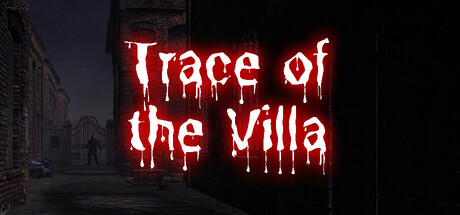
Trace of the Villa — a slow-burn mansion mystery built around missing-person stakes
Trace of the Villa casts you as Jin, a searcher whose years-long hunt for a missing sister finally leads to a remote, decaying mansion full of erased lives and financial traces. The game promises atmospheric mystery adventure focused on piecing together manifests, encrypted documents, and locked-room evidence to decide whether the trail ends in hope or something darker.

Quick facts
| Title | Trace of the Villa |
|---|---|
| Steam AppID | 3483660 |
| Release date | 28 May, 2026 |
| Developer / Publisher | Steadyturtle Co., Ltd. |
| Genres | Action, Adventure, Indie |
| Key Steam categories | Single-player; Color Alternatives; Custom Volume Controls; Playable without Timed Input; Subtitle Options; Family Sharing |
| Store | Trace of the Villa on Steam |
Who should wishlist this
If you prize narrative curiosity over spectacle, Trace of the Villa is aimed at players who want personal stakes to anchor environmental investigation. The premise is explicitly missing-person driven: Jin has hunted for his sister for years and follows a lead to a cut-off mansion where manifests and hints suggest she may still be alive. Players who enjoy slow-burn suspense, character motivation that fuels exploration, and puzzle-forward story structure will likely get the most out of this one.
What the game is — atmosphere and structure
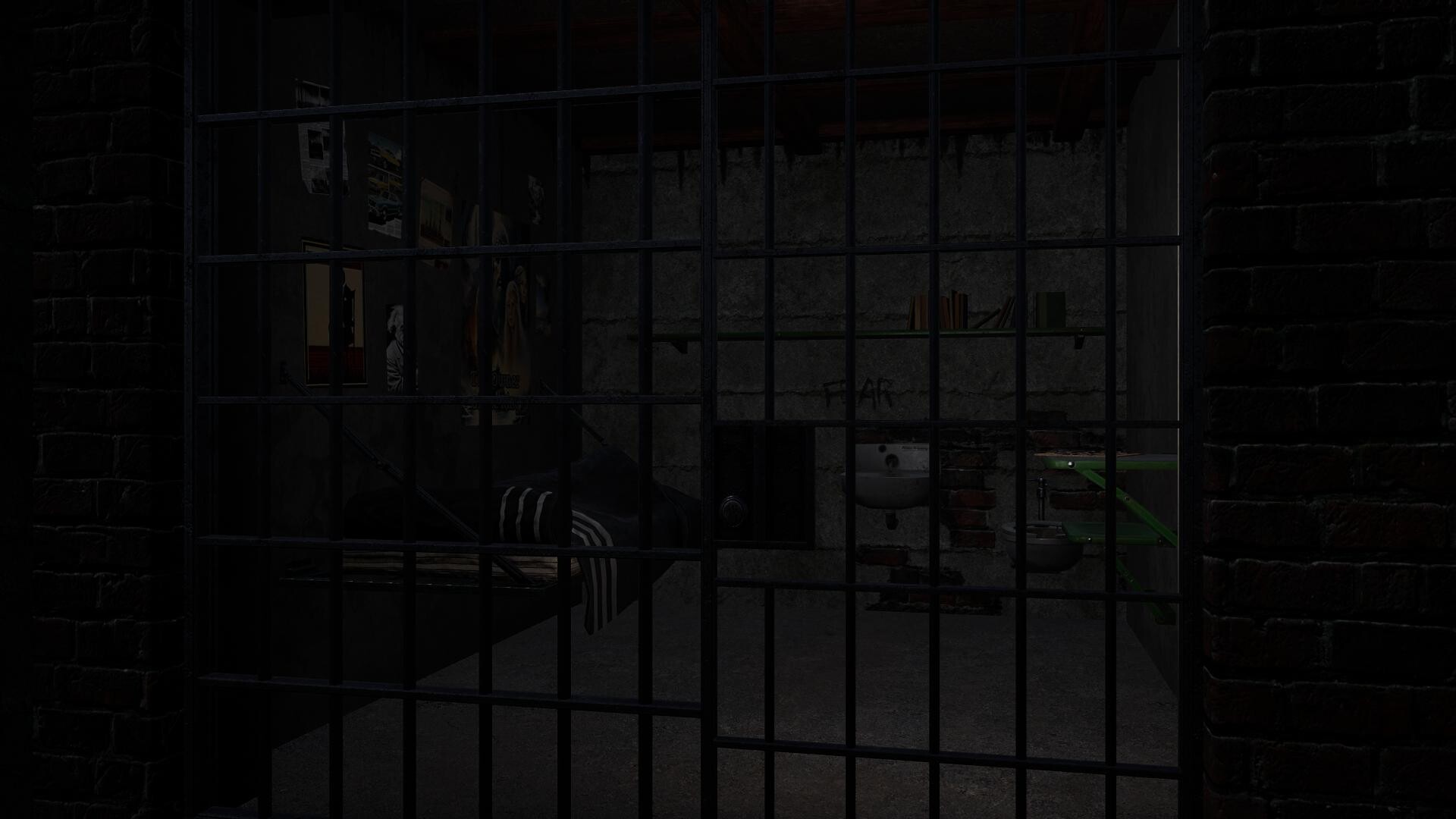
Official Steam materials frame Trace of the Villa as an atmospheric mystery adventure built around investigative beats. The mansion is “less abandoned than erased”: rooms frozen mid-routine, identities removed, locked doors and secured systems. When Jin restores power, secured systems come back online, hidden compartments unlock, and safes yield fragments of encrypted documents and suspicious transfer records. Each recovered item and solved puzzle apparently peels back another layer of a concealed operation rather than offering clean answers.

When and where — Steam details
Trace of the Villa launched on 28 May, 2026 and is published and developed by Steadyturtle Co., Ltd. It appears on Steam as an Action / Adventure / Indie title with single-player and accessibility-oriented categories such as subtitle options and color alternatives.
Why the theme matters — missing-person stakes and character motivation
The game’s emotional engine is plain in the official description: Jin’s search is personal, and what begins as an investigation quickly becomes personal. That means exploration is motivated by character stakes rather than abstract curiosity. Where many exploration puzzlers trade on mystery for atmosphere alone, Trace of the Villa connects each recovered manifest and encrypted fragment to Jin’s obsession—so every clue you uncover should feel like a step toward a human answer, not just a scenic reveal.
How you progress — reading clues and unfolding the backstory
Progression is described through investigative actions rather than combat milestones: restore estate power, reactivate secured systems, open hidden compartments, and decode fragments from safes and transfer records. The official text emphasizes encrypted documents, falsified identities, and financial trails that lead nowhere—so expect clue-driven exploration where piecing together timelines and motives is the primary mechanic for moving the narrative forward.
Player scenarios — when you’ll be in your element
- You’re a narrative-first player who enjoys reconstructing lives from objects and documents, and you tolerate a slow-burn pace in favor of a tight emotional payoff.
- You prefer exploration games where environmental storytelling and artifact analysis replace combat-heavy progression; the categories indicate playable without timed input and subtitle options, which helps maintain a contemplative pace.
- You enjoy mansion mysteries where financial and identity-based puzzles reveal a larger operation rather than a single supernatural cause.
How it compares — neighboring mystery / puzzle titles
Below is a focused editorial comparison to help decide whether Trace of the Villa fits your tastes. Criteria: tone/atmosphere, puzzle/exploration focus, pacing, and player fit.
| Game | Tone / Atmosphere | Puzzle / Exploration | Pacing | Player fit |
|---|---|---|---|---|
| Trace of the Villa | Mansion mystery, erased identities, slow-burn suspense (official description) | Clue-driven: manifests, encrypted docs, hidden compartments; environmental investigation | Deliberate; narrative pieces unlock as systems/reactivations reveal layers | Players who want character-motivated investigation and narrative puzzle design |
| Inscryption | Inky, psychological, horror-leaning (card‑based odyssey) | Mixes card-based mechanics with escape-room puzzles and meta secrets | Variable; often tense and surprising | Players who like genre-blending mechanics with psychological twists |
| Outer Wilds | Curious, cosmic, exploratory (open-world mystery) | Exploration and environmental puzzles across a solar-system loop | Measured; player-led discovery over long-form unraveling | Players who enjoy expansive, systemic mystery and patient piecing together |
| Journey | Evocative, minimalist, emotional exploration | Traversal-focused discovery with visual storytelling rather than documents/puzzles | Flowing and meditative | Players seeking lyrical, non-literal storytelling and atmosphere |
| The Forgotten City | Philosophical, time-loop mystery (ancient city) | Dialogue and consequence-driven puzzles with moral weight | Paced around revelation and experimentation | Players who like moral puzzle mechanics and narrative consequences |
| The Medium | Psychological horror, dual-reality investigation | Puzzles that use two overlapping realms to reveal secrets | Steady with horror beats | Players who like dark, psychological themes and dual-world mechanics |
YouTube discovery
Looking for trailers or gameplay? Use this YouTube search path to find videos and community coverage (search results may include trailers and player uploads): Trace of the Villa trailer & gameplay (YouTube search).
View Trace of the Villa on Steam
Disclaimer: Referenced titles and trademarks belong to their respective owners; comparisons above are editorial discovery
Leave a Reply