
Trace of the Villa — a locked-mansion mystery built around power, access, and evidence
Jin has spent years searching for his missing sister, following a trail that leads to a remote, decaying mansion where recovered manifests and hints suggest she might still be alive. Trace of the Villa (Steadyturtle Co., Ltd., released 28 May, 2026) structures its investigation around restoring power, reopening locked spaces, and reconstructing fragmented records to reveal what the estate was used for.

Who should consider Trace of the Villa?
If you prize atmospheric mystery adventure and clue-driven exploration over combat-heavy pacing, this is aimed squarely at you. Players who enjoy environmental storytelling, slow-burn suspense, and narrative puzzle design—those who like to read a scene for inconsistencies, power up a dead house, and methodically follow a chain of evidence—are the best fit.
What the game is (in practical terms)
Trace of the Villa is an Action/Adventure indie released on Steam by Steadyturtle Co., Ltd. The premise is specific and character-led: Jin investigates a property “cut off from the grid and deliberately forgotten,” discovering rooms that feel erased rather than simply abandoned. The gameplay loop described on Steam emphasizes restoring power to bring systems back online, unlocking secured compartments and safes, and assembling documents, manifests, and suspicious transfer records into a timeline.

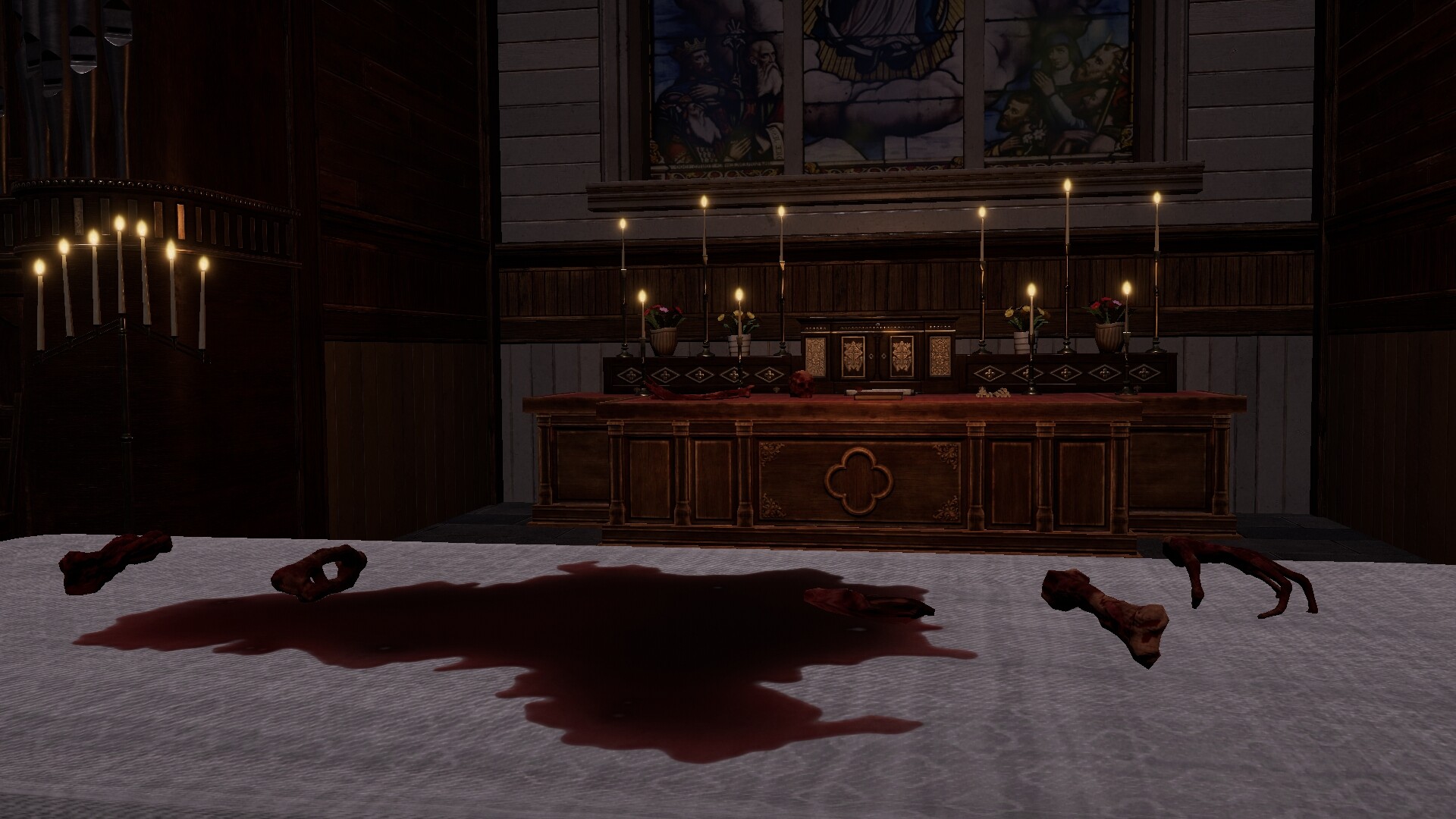
When and where
Trace of the Villa launched on 28 May, 2026 on Steam. It is a single-player PC title published and developed by Steadyturtle Co., Ltd. The Steam store page lists the game under Action, Adventure, Indie and includes accessibility categories such as Color Alternatives, Custom Volume Controls, Subtitle Options, and Family Sharing.
Why the power-and-access loop matters
Many escape-room–style and mystery games center on isolated puzzles; Trace of the Villa frames puzzles as investigative infrastructure. Restoring power is not just a mechanical gate — it reactivates systems that reveal new evidence and change the environment. That architectural approach makes the player’s actions feel forensic: turning a breaker back on can illuminate a corridor, cause a locked door to release, or power devices that decrypt fragments. Thematically, it ties discovery to agency: the estate literally needs the player to bring it back into operation so it can disclose its past.
How progression and clue chains work
The Steam description outlines a clear sequence players will encounter. Jin recovers manifests and hints, then restores power across the estate to reactivate secured systems. Safes and hidden compartments yield encrypted documents and transfer records; solving puzzles and piecing fragments together reconstructs a timeline of arrivals, departures, falsified identities, and financial trails that lead to larger, concealed operations. In short: observe, restore, unlock, decrypt, and connect. The game leans on environmental reading—interpreting staged rooms and missing personal markers—as much as on mechanical puzzles.
Compact facts
| Title | Trace of the Villa |
|---|---|
| Steam appid | 3483660 |
| Release date | 28 May, 2026 |
| Developer | Steadyturtle Co., Ltd. |
| Publisher | Steadyturtle Co., Ltd. |
| Genres | Action, Adventure, Indie |
| Categories | Single-player; Color Alternatives; Custom Volume Controls; Playable without Timed Input; Subtitle Options; Family Sharing |
| Short premise (official) | Jin has spent years searching for his missing sister, pursuing leads that took him to a remote, decaying mansion where he recovered manifests and hints that indicate his sister may still be alive. |
How Trace of the Villa compares to nearby mystery and puzzle titles
Below is a focused editorial comparison on structure and player fit—not a ranking. These comparisons use lawful editorial criteria: genre, atmosphere, puzzle focus, exploration style, story tone, and pacing.
| Title | Core puzzle focus | Atmosphere & pacing | Player fit / Why you might prefer it |
|---|---|---|---|
| Trace of the Villa | Restoring power, unlocking secured systems, reconstructing manifests and financial/identity traces. | Slow-burn mansion mystery with forensic, environmental storytelling. | Players who like clue chains, investigative pacing, and narrative puzzles tied to architecture. |
| The Room | Tactile puzzle-boxes—manipulation of ornate safes and mechanisms. | Claustrophobic, puzzle-driven; tight single-room focus. | Fans of intricate mechanical puzzles and tactile object exploration. |
| The Room Two | Expanded puzzle-box mechanics with episodic locations and layered devices. | Similar intimate mood to The Room, more variety in locales and set-pieces. | Players wanting mechanical nuance across varied, mysterious locations. |
| Escape Simulator | Highly interactive escape-room design with physical object interaction and community rooms. | Varied tones depending on room; often playful or handcrafted puzzle scenarios. | Those who enjoy sandboxed escape rooms, heavy object interaction, and community-made content. |
| Hi‑Fi RUSH | Beat-driven action with rhythm-synced combat and traversal (included as a contrast). | Fast-paced, energetic, rhythm-based rather than contemplative. | Players who prefer action and music-driven systems over investigation and slow exploration. |
Player scenarios — who will enjoy Trace of the Villa (specific examples)
- Investigator type: You like cataloguing a room—what’s missing, what’s staged, what’s been erased—and converting those frictions into leads. You’ll appreciate the manifesto-and-transfer-record chain mechanics.
- Escape-room fan who prefers atmosphere: You enjoy unlocking a sequence of doors and rooms where each access reveals a new puzzle or a new clerical fragment to interpret.
- Slow-burn storyteller: You value tone, pacing, and implication—discovering a pattern of falsified identities and controlled movements matters more than constant action.
- Not for you if: you expect large-scale combat, arcade reflex challenges, or highly social/competitive puzzle modes—Trace of the Villa is described as a single-player, narrative investigation.
YouTube / trailer discovery
If you want to see footage or trailers, use this YouTube search link to find trailers and gameplay impressions: Search Trace of the Villa on YouTube. This is provided as a discovery path; specific videos should be verified for official status on a case-by-case basis.
Want to wishlist or view the Steam page? Open Trace of the Villa on Steam
Referenced titles and trademarks belong to their respective owners. Comparisons above are editorial discovery only.
Leave a Reply