
Trace of the Villa — why silence, rooms, and slow dread trump jump scares
Trace of the Villa (Steadyturtle Co., Ltd.) is a story-rich, clue-driven detective adventure that dropped on Steam on 28 May, 2026. It foregrounds environmental dread — decaying rooms, missing histories, and a hush that stretches a moment into a threat — rather than cheap shock tactics.

Compact facts
| Title | Key facts |
|---|---|
| Trace of the Villa |
Developer / Publisher: Steadyturtle Co., Ltd. Release date: 28 May, 2026 Steam AppID: 3483660 Genres: Action, Adventure, Indie Steam categories: Single-player; Color Alternatives; Custom Volume Controls; Playable without Timed Input; Subtitle Options; Family Sharing |
What the game is
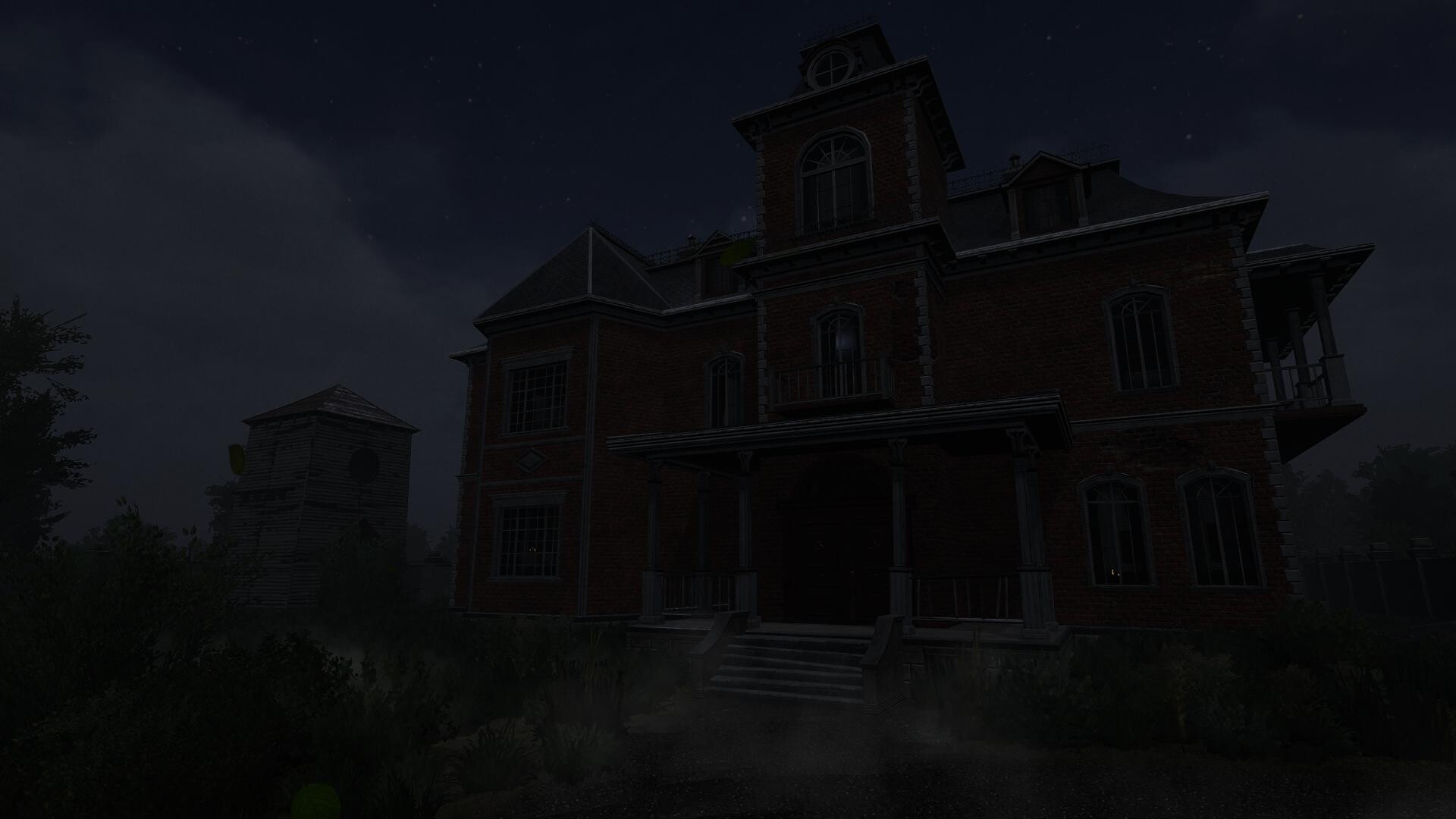
Officially framed as a psychological investigation, Trace of the Villa follows Jin, who has spent years searching for his missing sister and tracks a lead to a remote, decaying mansion. The house is presented as a property cut off from the grid with the appearance of recent occupancy but deliberate erasure: rooms appear as if their occupants vanished mid-routine, personal items remain but photographs and names are removed, and secured systems hide fragments of a larger operation.

When and where
Trace of the Villa is available on Steam with a release date of 28 May, 2026. For readers on PC and Steam, the store page is the canonical source for system requirements and platform details.
Why the quiet tension and uncertainty matter
Quiet tension—the sustained feeling that something is off—relies on environment and implication. Trace of the Villa uses erased identities, rooms frozen mid-activity, and documentation gaps (manifests, encrypted fragments, suspicious transfers) to make the setting itself an antagonist. When a game leans on unsettling room design and withheld context, every small action—restoring power, opening a safe, replaying an audio log—becomes freighted with consequence. That slow-burn uncertainty invites analytical engagement: you look closer, infer patterns, and feel dread grow from information rather than from one-off shocks.
How you progress — reading the house
The official description states that Jin recovers manifests and hints that his sister may still be alive, and that restoring power to the estate triggers hidden systems. Mechanically, Trace of the Villa layers investigation and puzzle solving: when power returns, secured systems come back online, hidden compartments unlock, safes can yield fragments of encrypted documents and suspicious transfer records. Each solved puzzle reveals another layer of a carefully concealed operation and a timeline of arrivals and departures masked by falsified identities. In practice this is a clue-driven exploration loop: observe interior detail, unlock access via environmental or inventory puzzles, and use recovered documents to reconstruct what the mansion hid.
Who this is for (5 player scenarios)
- Slow-burn explorers: you prefer atmospheric mystery and are fine with tension that accumulates over hours instead of adrenaline spikes.
- Environmental storytellers: you enjoy piecing narrative from props, room layouts, and redacted documents rather than explicit cutscenes.
- Puzzle-driven investigators: you like inventory or environment puzzles that gate story beats and reward careful observation.
- Players turned off by timed inputs or frantic reflex tests: Steam categories indicate Trace of the Villa is playable without timed input.
- Accessibility-minded players who need subtitle options, color alternatives, or custom audio controls: several Steam categories are present to support those needs.
How it compares — lawful editorial context
Comparisons are framed by genre, atmosphere, puzzle focus, and pacing rather than claims of superiority. Below is a concise editorial comparison with nearby psychological/mystery titles to help decide fit.
| Title | Release | Genre | Atmosphere / Pacing | Puzzle / Exploration focus | Tone |
|---|---|---|---|---|---|
| Trace of the Villa | 28 May, 2026 | Action / Adventure / Indie | Slow-burn, environmental dread | Clue-driven; power restoration and document puzzles | Mansion mystery, erased identities, investigative |
| Amnesia: The Dark Descent | 8 Sep, 2010 | Action / Adventure / Indie | Immersive, tense—often survival-focused | Exploration with survival mechanics and sanity systems | Nightmare immersion and dread |
| SOMA | 21 Sep, 2015 | Action / Adventure / Indie | Brooding, philosophical, methodical pacing | Exploration with narrative puzzles and audio logs | Sci‑fi psychological, existential |
| Layers of Fear (2016) | 15 Feb, 2016 | Adventure / Indie | Atmospheric and surreal; shifting mansion design | Story and environment puzzles that alter space | Artistic madness and psychological horror |
| Poppy Playtime | 12 Oct, 2021 | Action / Adventure / Indie | Faster, moment-to-moment tension with set-piece encounters | Puzzle mechanics tied to gadgets and mobility | Abandoned-factory horror with toy-inflected threats |
Deciding whether to wishlist
Wishlist Trace of the Villa if you value environmental storytelling, slow-burn suspense built from missing context, and puzzle loops that reward attention to rooms and documents. You might pass if you want constant action, frequent jump scares, or a multiplayer thrill; the
Steam page
View Trace of the Villa on Steam
YouTube discovery
For trailer and gameplay discovery, use YouTube search rather than relying on unverified embeds: Find Trace of the Villa trailer and gameplay searches on YouTube.
Leave a Reply