
Trace of the Villa: how narrative puzzle adventures reward careful clue reading and object logic
Trace of the Villa (Steadyturtle Co., Ltd.) drops players into a decaying mansion where Jin follows manifests and fragments that hint his missing sister might still be alive. Released on 28 May, 2026 for PC via Steam, the game blends environmental storytelling with locked systems, safes and encrypted documents that unfold a slow-burn, clue-driven mystery.

| Title | Trace of the Villa |
|---|---|
| Steam App ID | 3483660 |
| Release date | 28 May, 2026 |
| Developer | Steadyturtle Co., Ltd. |
| Publisher | Steadyturtle Co., Ltd. |
| Genres | Action, Adventure, Indie |
| Steam categories | Single-player; Color Alternatives; Custom Volume Controls; Playable without Timed Input; Subtitle Options; Family Sharing |
| Premise (official) | Jin searches for his missing sister in a remote, decaying mansion where manifests and hints indicate she may still be alive. |
What the game is — atmosphere and structure
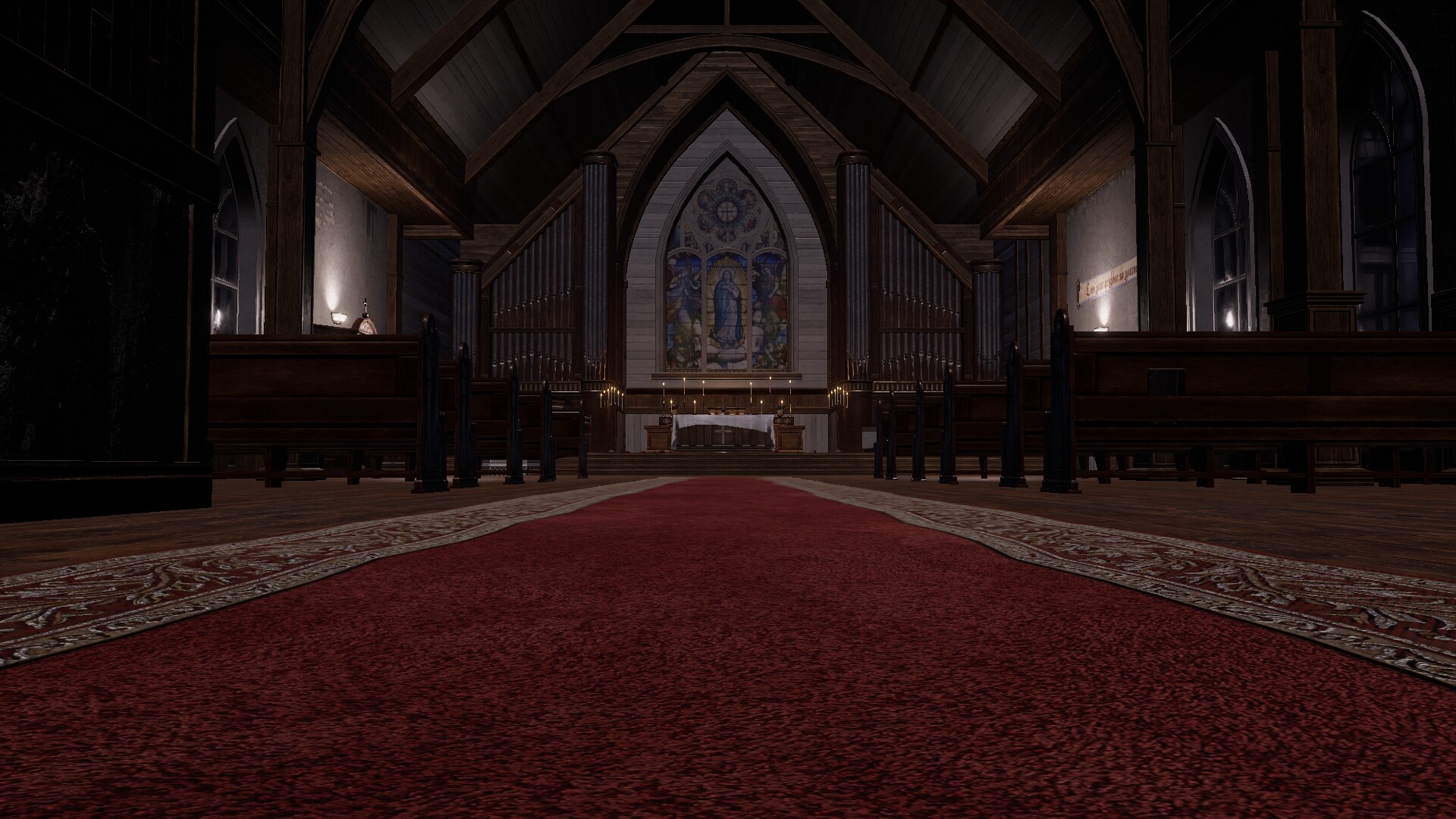
Trace of the Villa is positioned as an atmospheric mystery adventure on Steam where exploration is investigative and systemic rather than purely action-forward. According to the official Steam description, the mansion is “less abandoned than erased”: rooms look lived-in but lack personal markers, and restoring power triggers secured systems, hidden compartments and fragments of encrypted records. The tone is psychological investigation and slow-burn suspense rather than nonstop scares.
Who this is for
- Players who prefer story-first puzzle adventures where clues are discovered through objects and systems rather than combat.
- Fans of environmental storytelling who like assembling timelines from manifests, documents and hidden logs.
- Those who value accessibility options listed on Steam (color alternatives, subtitles, custom volume controls, no timed input).
- Anyone who wants a measured pacing — steady investigation and gradual revelations rather than frantic puzzles.
When and where — Steam context
Trace of the Villa launched on Steam on 28 May, 2026. It’s presented as a single-player PC experience on the Steam store page (Steam App ID 3483660). The store page includes the developer/publisher listing (Steadyturtle Co., Ltd.) and visual assets such as header images and a series of screenshots for in-game atmosphere and interface clues.
How you progress — clue reading, object logic and story puzzles
The official description gives the clearest picture of the loops you’ll use: Jin recovers manifests, restores power, and uses unlocked systems to access hidden compartments and safes which yield encrypted documents and suspicious transfer records. That sequence outlines three interlocking puzzle types that define player progression:
- Clue reading: Manifests and recovered documents act as the narrative backbone. Players must interpret fragmentary text and ledger entries to redraw timelines and identify discrepancies.
- Object logic: Physical interactions — restoring power, opening safes, locating hidden panels — act as mechanical puzzles that gate narrative beats. The way items relate to systems matters more than trial-and-error item spamming.
- Story puzzles: Solving one locked system reveals another layer of evidence (falsified identities, transfer records) that reframes previous clues. Narrative understanding is both the reward and the tool for solving later puzzles.
If you like piecing together a story from disparate artifacts and feel rewarded when an environmental detail clicks into place, Trace of the Villa is designed around that feedback loop.

Specific player scenarios — deciding if it fits your taste
- You enjoy slow, meticulous puzzle work: Expect to spend time cross-referencing manifests and records. If you like piecing timelines together from found documents, this will suit you.
- You prefer system-based unlocking: If turning on a power grid to reveal a locked cabinet sounds appealing, the game’s restoration-and-reveal design is aligned to that sensibility.
- You dislike opaque gating: The Steam page highlights accessibility and non-timed input, which suggests a design that favors thought over reflex — a plus if you don’t want pressure-based puzzles.
- You want immediate narrative closure: If you need frequent, explicit narrative payoffs, be prepared for a slow-burn approach where revelations accumulate across multiple puzzle layers.
How it compares — nearby narrative puzzle adventure approaches
| Title | Genre / Focus | Atmosphere / Story Tone | Puzzle focus | Exploration style | Player fit |
|---|---|---|---|---|---|
| Trace of the Villa | Action, Adventure, Indie | Mansion mystery; psychological investigation; slow-burn | Clue reading, object/system logic, encrypted documents | Single-player, methodical room-to-room investigation | Players who like narrative-driven, systemic reveals and accessibility options |
| The Room | Adventure, Indie | Mystical, solitary puzzle atmosphere | Mechanical safe-and-box puzzles, tactile object logic | Focused, single-chamber puzzle progression | Players who enjoy tactile, object-centric puzzles in contained spaces |
| The Room Two | Adventure, Indie | Darker cryptic tone extending the original’s mystery | Layered mechanical puzzles across interconnected scenes | Multi-scene exploration with staged reveals | Those who liked the first game and want broader scope and atmosphere |
| Escape Simulator | Adventure, Casual, Indie, Simulation | Bright, interactive escape-room design (varied themes) | Highly interactive objects and physics-driven problem solving | Room-based, often multiplayer or community rooms | Players who prioritize interaction, physics and community-made puzzles |
| Unpacking | Casual, Indie, Simulation | Zen, domestic,
Steam pageView Trace of the Villa on Steam YouTube discoveryFor trailer and gameplay discovery, use YouTube search rather than relying on unverified embeds: Find Trace of the Villa trailer and gameplay searches on YouTube. CommentsMore posts |
Leave a Reply