
Trace of the Villa — why quiet tension and unanswered questions matter more than cheap shocks
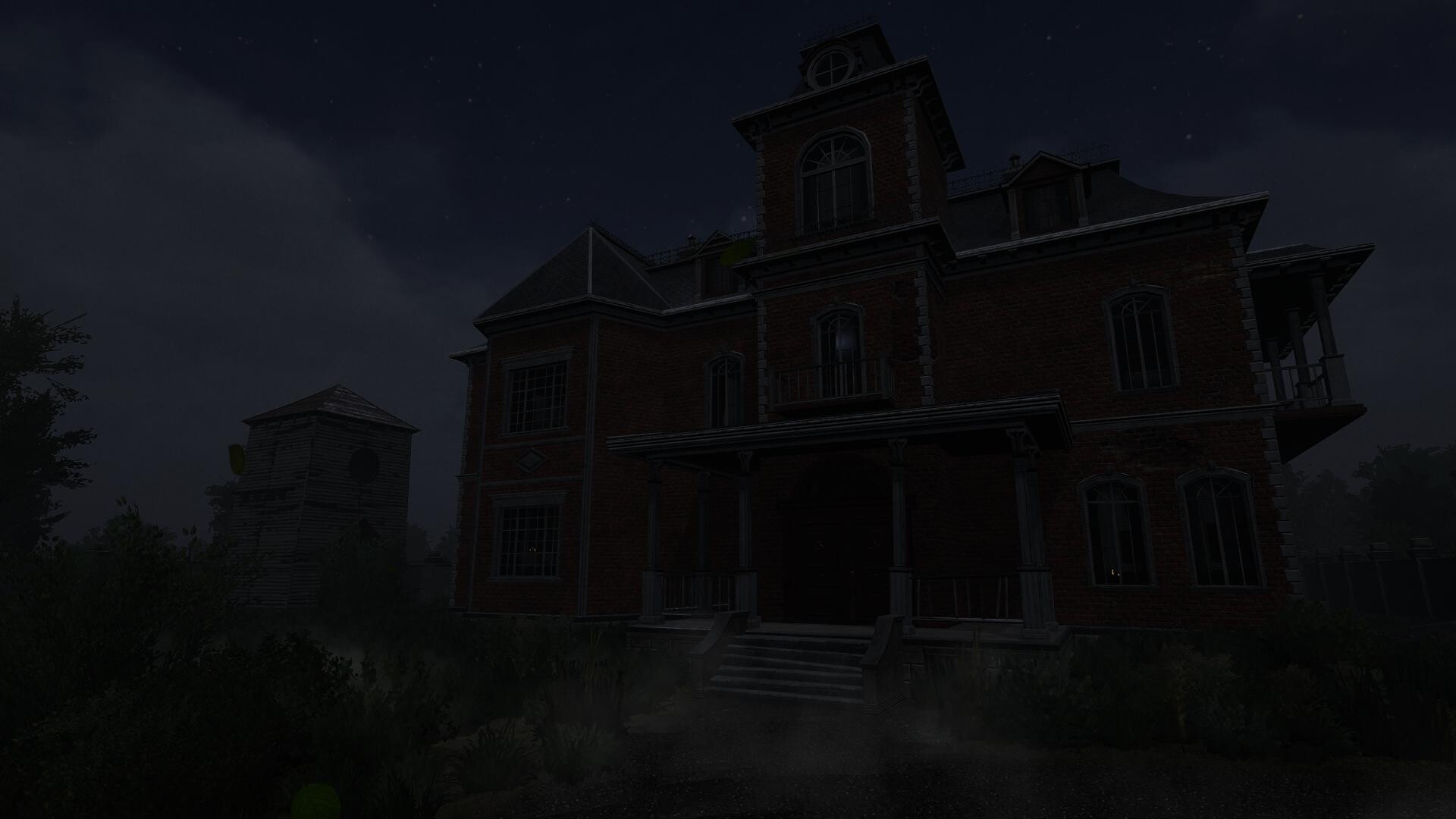
Trace of the Villa places you in a deliberately forgotten mansion as Jin, a man who has spent years searching for his missing sister. The game leans on environmental storytelling and slow-burn investigation: restore power, unlock secured systems, and let the house reveal a trail of erased identities rather than delivering loud moments of terror.

Facts at a glance
| Title | Trace of the Villa |
|---|---|
| Steam AppID | 3483660 |
| Release Date | 28 May, 2026 |
| Developer / Publisher | Steadyturtle Co., Ltd. |
| Genres | Action, Adventure, Indie |
| Notable Steam Categories | Single-player, Color Alternatives, Custom Volume Controls, Playable without Timed Input, Subtitle Options, Family Sharing |
| Store page | Trace of the Villa on Steam |
Who this is for
If you prefer atmospheric mystery adventure over adrenaline-driven jump-scares, Trace of the Villa is pitched at you. The game suits players who want narrative puzzle design, clue-driven exploration, and a slow-burn suspense that builds from quiet wrongness: investigators who enjoy reading objects, piecing together financial trails and falsified identities, and players who value mood and implication above explicit horror set-pieces.
What the game is
Officially described on Steam, Trace of the Villa follows Jin as he follows a lead to a remote, decaying mansion where manifests and hints suggest his sister may still be alive. The estate appears deliberately erased — rooms furnished but emptied of identifiers — and when Jin restores power, locked systems, safes and encrypted documents begin to reveal a carefully concealed operation of falsified identities and unexplained arrivals and departures.
When and where
Trace of the Villa released on 28 May, 2026 on Steam. The Steam page lists the game’s genre tags and categories and includes subtitle options and controls that make the experience accessible to single‑player PC players.
Why quiet tension and uncertainty matter here
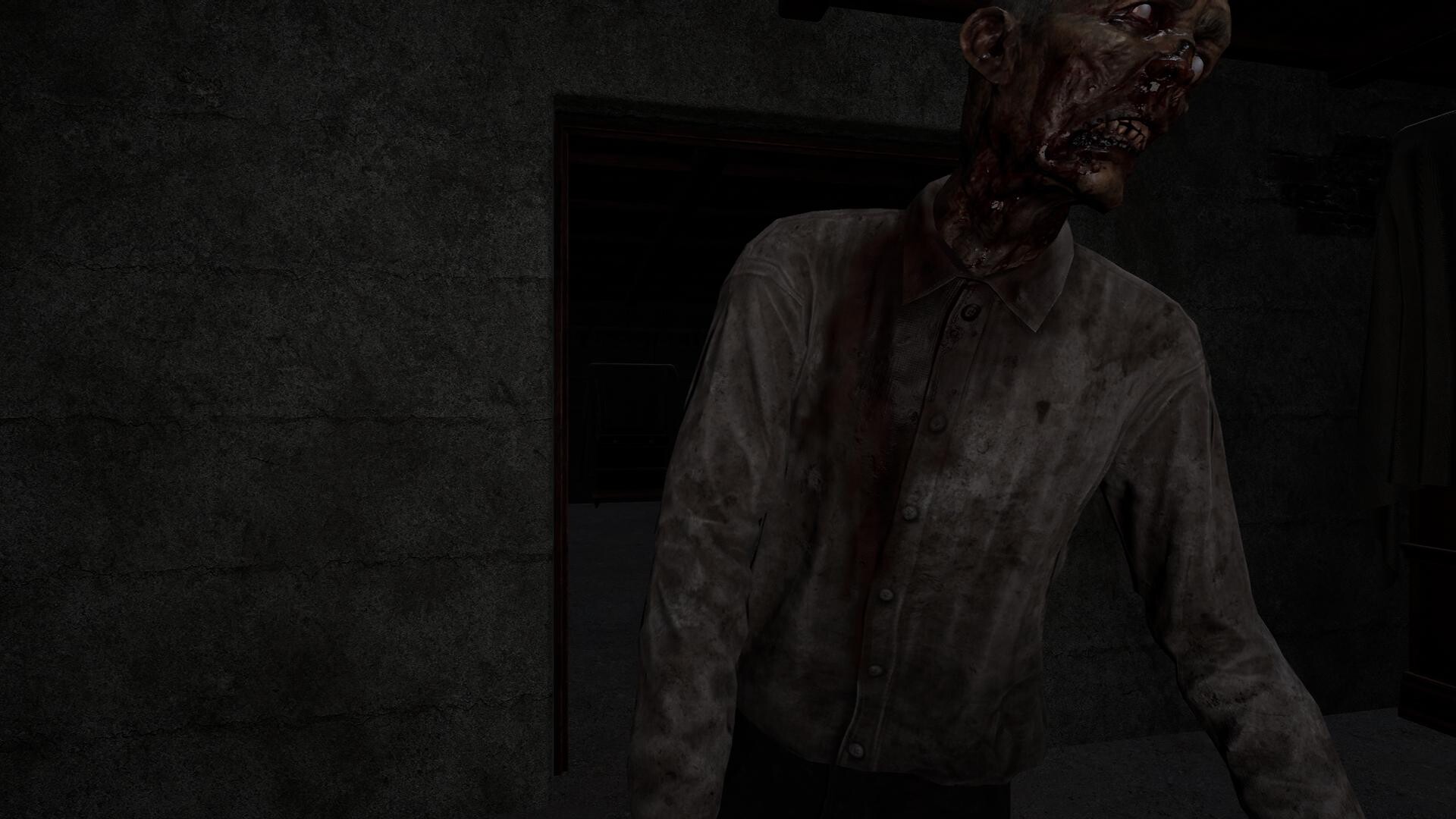
Psychological horror often splits into two tactics: startling the player and unsettling them. Trace of the Villa, per its store description and imagery, chooses the latter. When a game removes obvious names and memories from its locations, it forces the player to become an interpreter of absence. That interpretive work—sifting through manifests, restoring power, decrypting fragments—creates a persistent cognitive tension that lasts between moments, not just during them. For many players, that sustained unease is more affecting than repeated shocks because it engages curiosity, dread, and the fear of unknown motives over time.
How you progress — the core loop
Progress in Trace of the Villa is driven by environmental investigation and puzzle progression. The Steam description highlights restoring power to the estate, which brings secured systems back online, unlocks hidden compartments, and exposes financial and identity-related traces. Players advance by solving puzzles, opening safes or sealed areas, and assembling the timeline from fragmented documents and system logs. This is less about reflexes and more about methodical reading of place and evidence.
Player scenarios — who should wishlist it
- Investigative players: You enjoy reconstructing timelines from documents, logs, and environmental hints rather than chase sequences.
- Mood-first horror fans: If you prefer sustained dread and ambiguous reveals to jump-scares, this pacing and tone will fit.
- Puzzle-oriented explorers: Players who like narrative puzzles that unlock story threads—safes, encrypted fragments, and hidden compartments—will appreciate the loop.
- Atmosphere seekers on PC: The Steam page lists subtitle and accessibility categories that help players who want a controlled, contemplative session.
How Trace of the Villa compares to nearby titles
| Title | Genre / Atmosphere | Exploration & Pacing | Puzzle / Focus | Player fit |
|---|---|---|---|---|
| Trace of the Villa | Action / Adventure / Indie — mansion mystery, erased identities | Slow, clue-driven; environmental systems restored to reveal narrative | Document and system-based puzzles, safes and encrypted fragments | Players who prefer mood-led investigation over reflex horror |
| Amnesia: The Dark Descent | Action / Adventure / Indie — immersive survival horror | Intense, often claustrophobic pacing with steady tension | Light puzzle elements; emphasis on immersion and survival mechanics | Players who want immersion and dread with survival elements |
| SOMA | Action / Adventure / Indie — sci‑fi horror, existential tone | Exploratory and narrative-driven, often contemplative | Puzzle and story interplay; atmosphere and questions about existence | Players drawn to philosophical horror and slow narrative reveals |
| Layers of Fear (2016) | Adventure / Indie — first-person psychological horror, shifting mansion | Variable pacing with an emphasis on disorientation and narrative beats | Environmental puzzles and story-driven sequence design | Fans of painterly, psychological storytelling and shifting spaces |
| Poppy Playtime | Action / Adventure / Indie — horror/puzzle with unique tools | More tense set-piece encounters mixed with exploration | Gadget-based puzzles (e.g., GrabPack) and set-piece challenges | Players who like puzzle tools and tense encounters in an unsettling setting |
YouTube & trailer discovery
If you want to preview gameplay or trailers, search results for “Trace of the Villa trailer gameplay” can
YouTube discovery
For trailer and gameplay discovery, use YouTube search rather than relying on unverified embeds: Find Trace of the Villa trailer and gameplay searches on YouTube.
Leave a Reply