
Trace of the Villa — a mansion mystery tailored for methodical investigators
Trace of the Villa drops you into a remote, decaying mansion as Jin, a protagonist chasing leads that may finally answer what happened to his missing sister. Released on 28 May, 2026 by Steadyturtle Co., Ltd., the Steam page points to clue-driven exploration, environmental storytelling, and a puzzle-forward approach to narrative discovery.

Who should wishlist this on Steam
If you prefer slow-burn suspense built from investigation rather than jump scares, Trace of the Villa is positioned for you. The Steam categories and accessibility options — Single-player, Playable without Timed Input, Subtitle Options, Color Alternatives, and Custom Volume Controls — suggest a mystery designed around careful observation, reading documents or manifests, and solving puzzles that unlock the next piece of the story. Wishlist it if you value atmosphere, environmental storytelling, and methodical clue work over reflex-driven action.
What the game is (official Steam facts)
Trace of the Villa is listed on Steam as an Action / Adventure / Indie title developed and published by Steadyturtle Co., Ltd. The official short description: “Jin has spent years searching for his missing sister, pursuing leads that took him to a remote, decaying mansion where he recovered manifests and hints that indicate his sister may still be alive, somewhere at the end of the trail he is about to follow.” The fuller Steam description details restoring power to the estate, returning systems online, and uncovering encrypted documents and hidden compartments as core means of uncovering the narrative.
When and where — Steam availability
Trace of the Villa released on 28 May, 2026 and is available on Steam. Use the Steam store page to wishlist, follow updates, and check system requirements: Trace of the Villa on Steam.
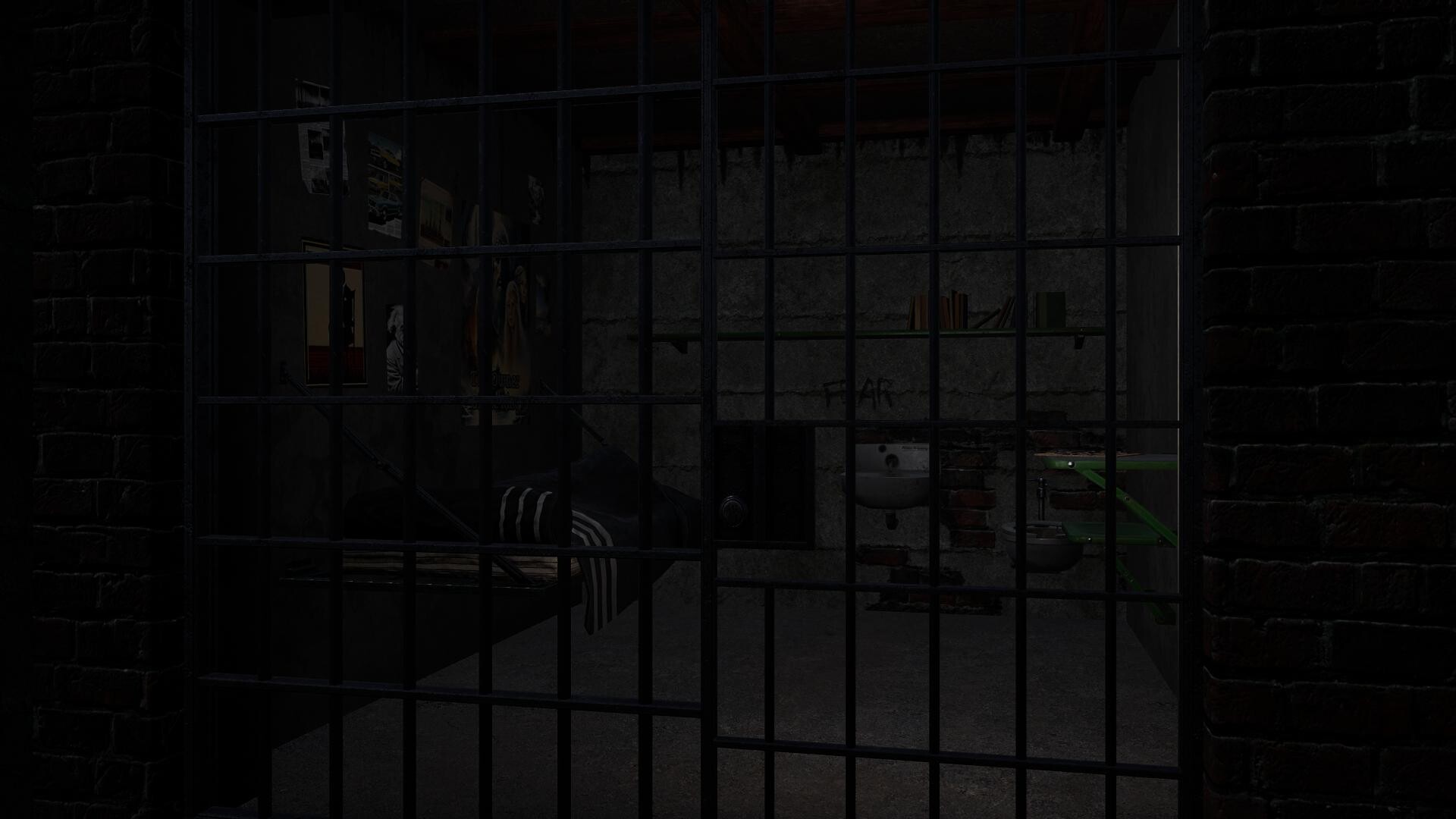

Why the mansion-mystery theme matters here
The Steam description frames the mansion not as an abandoned house but as a place that has been “erased” — rooms left mid‑routine, identities removed, and systems intentionally secured. That framing matters because it shapes the investigation: you are not merely navigating spooky set pieces but piecing together a constructed operation. Narrative clues come from documents, encrypted files and the estate’s infrastructure — meaning the storytelling is embedded in things you reactivate and examine rather than delivered only through scripted scenes.
How progression and clues work (from the Steam description)
- Restoring power and bringing systems back online is explicitly mentioned as a trigger for new information and unlocked content.
- Hidden compartments, safes, and encrypted documents are cited as primary sources of evidence; solving puzzles yields fragments of the larger operation.
- Evidence described on the store page includes manifests, suspicious transfer records, falsified identities, and movement patterns; progression appears to be assembled by collecting and interpreting these items.
On Steam, the listed categories also indicate design choices that affect play: no timed input is required for core interactions (Playable without Timed Input), subtitles are available, and there are color and audio control options — useful considerations when deciding whether to wishlist.
Quick facts — Trace of the Villa
| Title | Trace of the Villa |
|---|---|
| Steam AppID | 3483660 |
| Release date | 28 May, 2026 |
| Developer | Steadyturtle Co., Ltd. |
| Publisher | Steadyturtle Co., Ltd. |
| Genres | Action, Adventure, Indie |
| Steam categories / features | Single-player; Color Alternatives; Custom Volume Controls; Playable without Timed Input; Subtitle Options; Family Sharing |
| Official short description | Jin has spent years searching for his missing sister, pursuing leads that took him to a remote, decaying mansion where he recovered manifests and hints that indicate his sister may still be alive, somewhere at the end of the trail he is about to follow. |
How this fits compared with nearby mystery/puzzle titles
Below is an editorial comparison focused on design emphasis (genre, atmosphere, puzzle vs. action, exploration style, and pacing). These comparisons use public Steam descriptors and the supplied topic research; they are intended to help readers decide which style suits them, not to rank quality.
| Title | Genre | Atmosphere / Focus | Puzzle vs Action | Exploration & Pacing |
|---|---|---|---|---|
| Trace of the Villa | Action / Adventure / Indie | Mansion mystery; evidence-based investigation and environmental storytelling | Puzzle-forward (hidden compartments, encrypted documents) with some action classification | Methodical, clue-driven progression; restoring systems reveals new content |
| Rusty Lake Hotel | Adventure / Indie | Dark, eerie puzzle vignette; surreal point‑and‑click mood | Primarily puzzle, point‑and‑click inventory and logic puzzles | Short, self-contained episodes with tight, puzzle-focused pacing |
| The Medium | Adventure | Psychological horror; dual-reality exploration (real world & spirit realm) | Exploration and story with some puzzle elements; higher production narrative pacing | Slower, cinematic pacing with emphasis on atmosphere and storytelling |
| Layers of Fear | Adventure | First-person psychological horror centered on artistic obsession | Exploration-focused with psychological puzzle elements | Slow-burn, corridor-based exploration and narrative reveals |
| Hi-Fi RUSH | Action | Rhythm-synced action; bright, beat-driven combat and pacing | Action-heavy with timing and combat; not puzzle-centered | Fast, arcade-like pacing — very different from investigation-driven mysteries |
Player scenarios — would you wishlist this?
- The patient investigator: You enjoy reading documents, piecing together financial and identity threads, and following gradual reveals. Trace of
YouTube discovery
For trailer and gameplay discovery, use YouTube search rather than relying on unverified embeds: Find Trace of the Villa trailer and gameplay searches on YouTube.
Leave a Reply