Trace of the Villa: why soft dread and slow-burn uncertainty beat cheap shocks
Trace of the Villa pitches a quiet, investigative kind of horror—Jin following clues through a decaying mansion to find a missing sister—and it leans on mood, architecture and puzzle-driven discovery rather than jump scares. Released on Steam on 28 May, 2026 from Steadyturtle Co., Ltd., this Action/Adventure/Indie title is built around environmental storytelling and measured suspense that rewards patient players.

Quick facts
| Title | Trace of the Villa |
|---|---|
| Release date | 28 May, 2026 |
| Developer / Publisher | Steadyturtle Co., Ltd. |
| Genres | Action, Adventure, Indie |
| Steam categories | Single-player; Color Alternatives; Custom Volume Controls; Playable without Timed Input; Subtitle Options; Family Sharing |
| Steam page | Trace of the Villa on Steam |
| Steam reviews (public) | No user reviews |
Who is this for?
Trace of the Villa is for players who prefer slow-burn suspense and clue-driven exploration over twitch reflexes and jump-scare loops. If you like atmospheric mystery adventure, narrative puzzle design and environmental storytelling—following breadcrumbs, restoring systems, and reading manifests rather than constant combat—this is aimed at you. The game’s Steam categories (single-player, subtitles, no timed input) underline a thoughtful, accessible pace.
What the game is
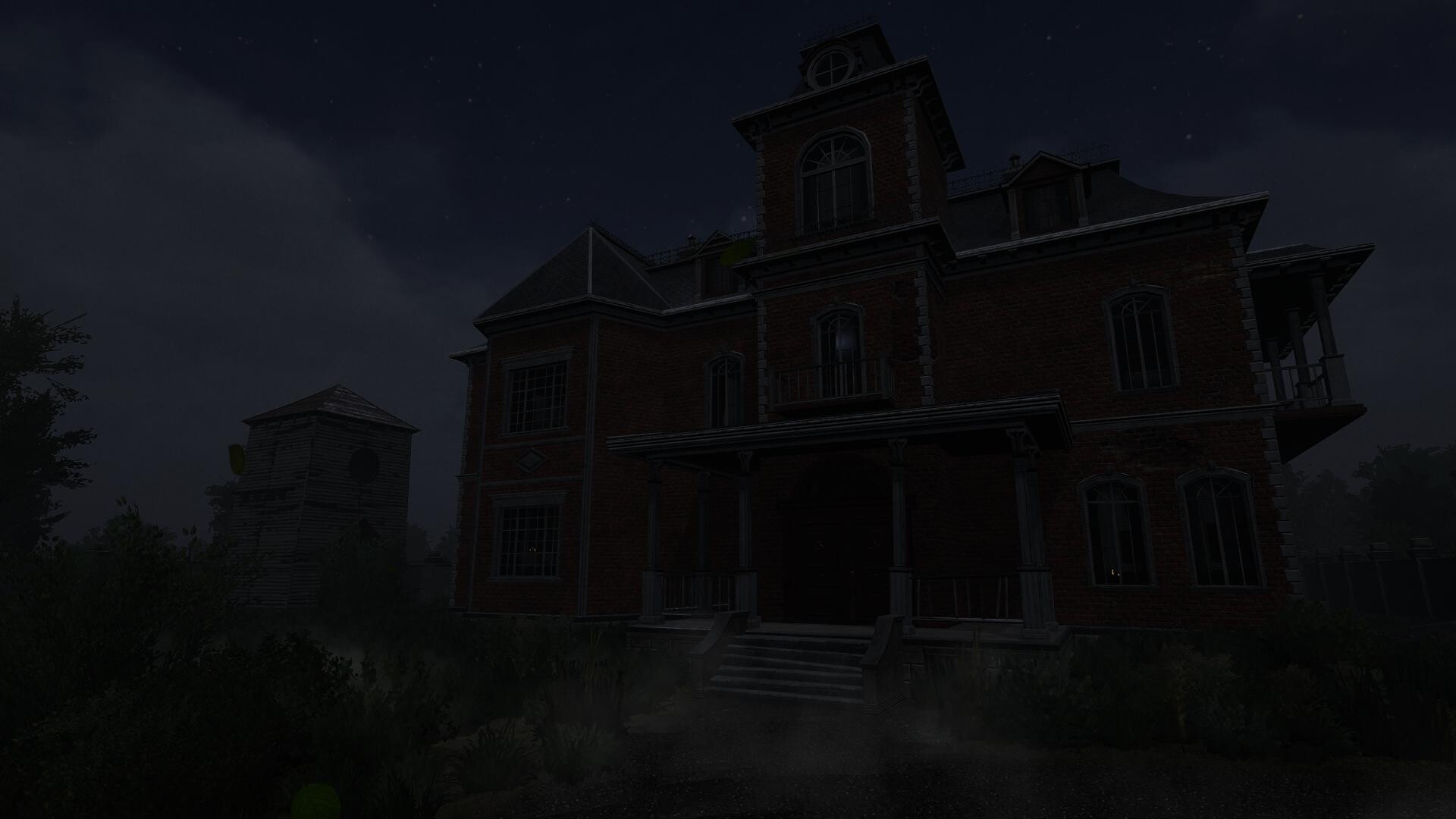
According to the official Steam description, you play Jin, a searcher who follows a lead to a remote, deliberately forgotten mansion where manifests and hints suggest his missing sister may still be alive. The estate’s rooms feel “erased,” with personal effects present but identities stripped; restoring power and unlocking safes reveals encrypted documents and suspicious transfer records. That official premise frames Trace of the Villa as a psychological investigation set inside a mansion mystery—part atmosphere, part forensic puzzle work.

When and where you can play it
Trace of the Villa launched on Steam on 28 May, 2026. The Steam store page lists the developer and publisher as Steadyturtle Co., Ltd. and the game’s categories indicate PC-friendly accessibility options like subtitle support and no timed input—useful flags for players who prefer a slower investigative rhythm.
Why quiet tension and uncertainty matter more than shock claims
Psychological horror built around restraint trades the adrenaline of instant scares for a longer-lasting unease. When a mansion’s rooms feel like paused lives and puzzles peel back layers of obfuscation—false identities, encrypted transfers, systems coming back online—the player’s imagination becomes the engine of dread. That persistent uncertainty keeps attention on narrative detail and environmental cues: a knocked-over chair, a missing photograph, a safe that opens into ambiguity. In Trace of the Villa the payoff is cumulative: the longer you stay alert, the more the house rewards patient reading of clues rather than startling you once and moving on.
How progression and discovery work
The official description outlines a progression loop built on restoration and investigation: restore power, bring systems back online, unlock hidden compartments, and piece together manifests and encrypted documents. That suggests a mechanically grounded mystery—players advance by solving environmental puzzles and following documentary threads rather than relying on scripted scare beats. The presence of subtitle options, custom volume controls and “playable without timed input” in the Steam categories reinforces the design emphasis on careful inspection and deliberation.
Player scenarios — who should wishlist this
- Prefer slow, story-first horror: You like installations that build atmosphere across hours rather than spike with shocks. Wishlist it.
- Enjoy forensic puzzlework: If you savor inventory puzzles, codes, and reading documents to reconstruct events, this fits your taste.
- Accessibility-minded players: Subtitles, no timed input, and custom volume controls make it a better fit for those who need pacing or presentation options.
- Not for you if you want constant jump-scares or high-action combat: The game’s pacing and narrative puzzle focus de-emphasize twitch gameplay.
How it compares to nearby titles
Below is an editorial comparison focused on atmosphere, pacing, puzzle focus and player fit—not on sales, reviews or endorsements.
| Title | Genre / Tone | Pacing | Puzzle & Exploration Focus | Player fit |
|---|---|---|---|---|
| Trace of the Villa | Action / Adventure / Indie — mansion mystery, investigative | Slow-burn, methodical | Environmental puzzles, systems restoration, document clues | Players who prefer mood-driven, clue-based investigations |
| Amnesia: The Dark Descent | Action / Adventure / Indie — immersion and survival horror | Intense with sustained dread | Exploration with stealth and sanity mechanics | Players seeking immersive survival tension and physical vulnerability |
| SOMA | Action / Adventure / Indie — sci-fi existential horror | Measured but tense, narrative-driven | Environmental puzzles in a confined setting, philosophical narrative | Players who want story-led horror with uncomfortable questions |
| Layers of Fear (2016) | Adventure / Indie — psychological mansion horror | Atmospheric and shifting, sometimes surreal | Exploration that reshapes spaces and reveals narrative fragments | Players drawn to artful, surreal atmosphere and unreliable reality |
| Poppy Playtime | Action / Adventure / Indie — horror-puzzle with set-piece encounters | Faster tempo, encounter-driven | Puzzle tools plus scripted threats and set-pieces | Players who want puzzle solving with regular gameplay tension spikes |
YouTube discovery
For trailers and gameplay clips search YouTube (useful for judging pacing and tone): Trace of the Villa trailer & gameplay on YouTube. This search link is intended as a discovery path; it does not imply any particular video is official.
Leave a Reply