
Trace of the Villa — a mansion mystery built for clue-first players
Trace of the Villa is a slow-burn, story-first mystery that drops you into a decaying, deliberately forgotten mansion where every recovered manifest and powered-on system nudges a personal investigation forward. Released on 28 May, 2026 by Steadyturtle Co., Ltd., it asks players to read absence as evidence and follow scattered traces toward an unsettling backstory about erased identities and controlled movements.

Who should wishlist this on Steam?
If you prefer narrative mystery over twitch reflexes, this is for you. Players who enjoy atmospheric mystery adventure games that reward careful observation—those who like reconstructing timelines from receipts, logs, and locked compartments—will find the core loop satisfying. The Steam page lists Trace of the Villa under Action, Adventure, and Indie and flags single-player accessibility options such as subtitle options, custom volume controls, and playability without timed input, making it a fit for players who want a measured, clue-driven pace rather than high-pressure gameplay.
What the game is — the set-up and tone
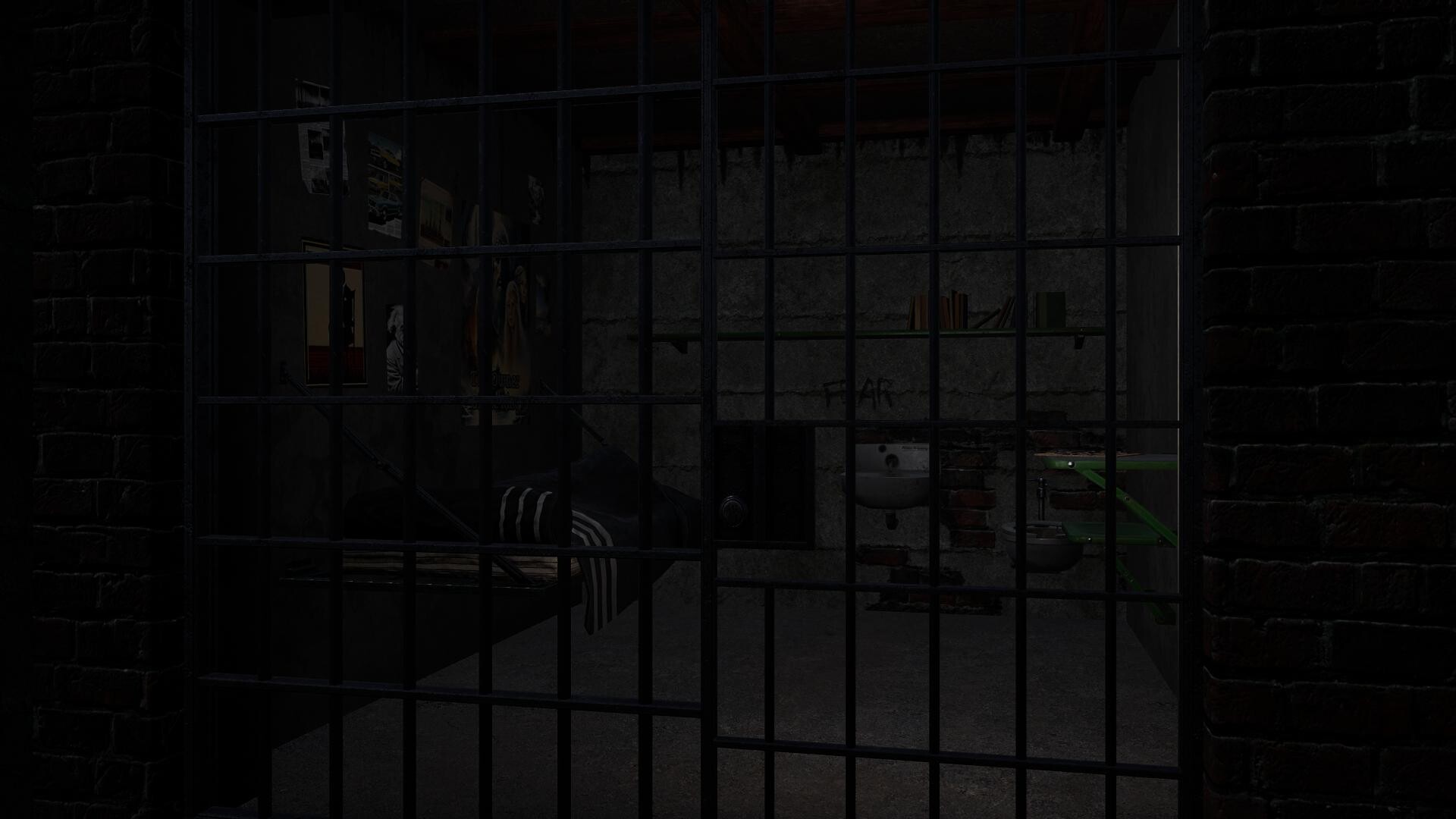
Official Steam text frames the protagonist Jin as someone who has spent years searching for his missing sister; lead evidence points to a remote mansion where manifests and hints indicate she may still be alive. Inside, rooms feel “less abandoned than erased”: furnishings remain, but photographs and names are missing. Restoring power becomes a core action — it brings secured systems back online, unlocks hidden compartments, and reveals fragments of encrypted documents and suspicious transfer records. The tone is investigative and gradually unsettling rather than overtly jump-scare horror.

When and where — Steam availability
Trace of the Villa launched on Steam on 28 May, 2026. The developer and publisher listed on the Steam page are both Steadyturtle Co., Ltd. You can view the store page directly on Steam: Trace of the Villa on Steam.
How the investigation plays out — design and player reading
The game’s mystery design is clue-first: you don’t get a tidy exposition dump. Instead, Jin’s act of restoring systems and opening secured spaces is the primary tool for eliciting story. Environmental storytelling is foregrounded — staged rooms with missing names, encrypted documents, suspicious transfers and falsified identities form a breadcrumb trail. Progress is less about beating an opponent and more about assembling a timeline and discerning who had agency inside the mansion. The Steam listing emphasizes puzzles that unlock new material; expect a slow revelation model where each solved lock or revived terminal reframes previous assumptions.
Why this narrative approach matters
Games that remove explicit identifiers—names, photographs, clear records—turn absence into a mechanical device: silence becomes a clue. That design encourages a different kind of curiosity. Rather than relying on jump scares or overt supernatural reveals, Trace of the Villa makes interpretation itself the reward: every recovered manifest, every decrypted fragment, nudges you to hypothesize who passed through this property and why identities were scrubbed. For players who enjoy feeling like a detective mapping motives and logistics, that slow construction of meaning is the central appeal.
Player scenarios — who will enjoy the experience
- Close reader: You linger in rooms, inspect drawers, and re-check documents after each new clue. You want narrative payoff through piecing together timeline and motive.
- Puzzle-economist: You prefer puzzles that unlock story rather than stop progress. If you like environmental locks and encrypted fragments as narrative levers, this fits.
- Atmosphere-first player: You value tone, lighting, and the slow reveal of a house that feels “erased.” The game’s staging rewards notes about what’s missing as much as what’s present.
- Accessibility-minded player: Steam categories note subtitle options, color alternatives, and playability without timed input—features that make a narrative investigation more approachable.
Compact facts — Trace of the Villa
| Title | Trace of the Villa |
|---|---|
| Steam AppID | 3483660 |
| Release date | 28 May, 2026 |
| Developer / Publisher | Steadyturtle Co., Ltd. |
| Genres | Action, Adventure, Indie |
| Key Steam categories | Single-player; Color Alternatives; Custom Volume Controls; Playable without Timed Input; Subtitle Options; Family Sharing |
| Official short premise | Jin searches for his missing sister; manifests and hints in a remote, decaying mansion indicate she may still be alive. |
| Steam review status | No user reviews |
How it compares — short editorial comparison
Below is a concise comparison on lawful editorial criteria: genre, atmosphere, puzzle focus, exploration style, story tone, and pacing.
| Title | Genre & Atmosphere | Puzzle / Exploration Focus | Story Tone & Pacing | Player fit |
|---|---|---|---|---|
| Trace of the Villa | Action/Adventure/Indie — mansion, erased identities, slow-burn suspense | Clue-driven, power restoration unlocks documents and compartments | Personal investigation, methodical reveal, investigative tension | Players who value environmental storytelling and gradual narrative assembly |
| Inscryption (reference) | Adventure/Indie/Strategy — inky, card-based horror atmosphere | Puzzles embedded in card mechanics and meta-escape-room systems | Psychological, increasingly meta; twists that recontextualize earlier events | Players who enjoy mechanical surprises and layered meta-narrative |
| Outer Wilds (reference) | Action/Adventure — open, exploratory cosmic mystery | Exploration-driven puzzles across an open system; discovery by traversal | Meditative and emergent pacing with systemic revelations | Players who prefer open-world curiosity and nonlinear timeline assembly |
| The Medium (reference) | Adventure — psychological, dual-realm atmosphere | Environmental puzzles that alternate between real and spirit realms | Psychological horror tone, focused narrative beats | Players who like third-person investigative horror with story beats |
| The Forgotten City (reference) | Adventure/Indie/RPG — mystery with rule-driven time mechanics | Narrative puzzles exploiting time mechanics and player choice | Curiosity-driven, moral stakes, puzzle-led revelations | Players who like narrative puzzles with systemic constraints |
YouTube discovery
If you want to see trailers or early gameplay captures, search YouTube directly for “Trace of the Villa trailer gameplay”: YouTube search for Trace of the Villa. Note: this search URL is a discovery path; individual videos should be verified separately if you require official trailers.
Final notes and recommendation
If you enjoy reading absence as evidence and prefer an investigation that rewards patient interpretation, add Trace of the Villa to your Steam wishlist. Its focus on staged interiors, locked systems, and encrypted fragments places it toward the investigative end of the spectrum rather than action-first horror.
Steam store page: https://store.steampowered.com/app/3483660/Trace_of_the_Villa/
Disclaimer: Referenced titles and trademarks belong to their respective owners. Comparisons are editorial discovery only, based on genre, atmosphere, puzzle focus, exploration style, story tone, and pacing.
Leave a Reply