
Trace of the Villa: rooms as puzzle spaces and story containers
Trace of the Villa places you in a decaying mansion where careful reading of clues, object-first logic, and story puzzles determine whether Jin finds a trace of his missing sister. Released on 28 May, 2026 by Steadyturtle Co., Ltd., the game leans into atmospheric mystery adventure and slow-burn suspense built room by room.

The 5W1H — concise guide
Who is it for?
Players who prefer story-rich adventure with environmental storytelling, deliberate pacing, and puzzles that reward careful observation rather than twitch reflexes. If you enjoy detective-style piecing together of manifests, encrypted documents, and household objects that reveal a timeline, this fits your taste.
What is the game?
Trace of the Villa is an action-adventure/indie title on Steam that centers on Jin’s investigation into a remote, deliberately abandoned mansion. As power is restored and secured systems come back online, players unlock hidden compartments and safes to assemble a disturbing narrative suggested by manifests, transfer records, and falsified identities.
When and where is it available?
Trace of the Villa launched on Steam on 28 May, 2026. It’s listed on the Steam store with standard PC discovery metadata and visual assets on the store page.
Why does the mansion setting matter?
Rooms function as both mechanical puzzle spaces and containers of story. The mansion’s staged, “erased” domestic scenes—furnished but missing names or photos—make each room an argument: objects are evidence and props for inference. That structural choice pushes players to treat cabinets, safes, and consoles as narrative sources, not just lock-and-key gatekeepers.
How do you progress?
Progression is clue-driven. You restore systems (power, locks, safe mechanisms), collect fragments from encrypted documents and transfer manifests, and interpret environmental details. The game’s categories include options useful for a patient puzzler—subtitle options, custom volume controls, color alternatives, and no timed input—so the emphasis is on mental decoding over speed.
Compact facts: Trace of the Villa
| Title | Trace of the Villa |
|---|---|
| Steam AppID | 3483660 |
| Developer / Publisher | Steadyturtle Co., Ltd. |
| Release date | 28 May, 2026 |
| Genres | Action, Adventure, Indie |
| Key categories / accessibility | Single-player, Color Alternatives, Custom Volume Controls, Playable without Timed Input, Subtitle Options, Family Sharing |
Rooms as puzzle spaces — design takeaways
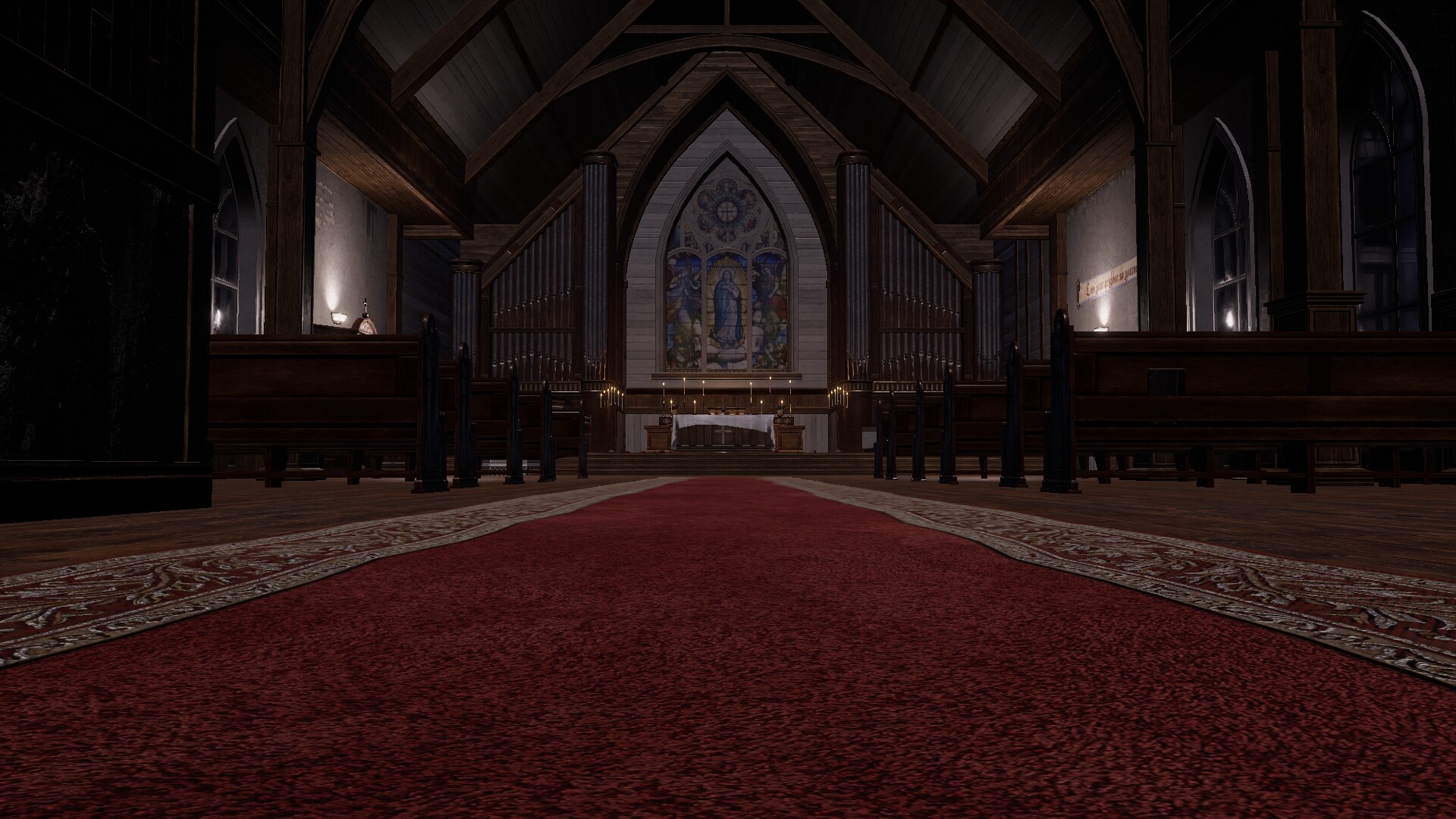
Trace of the Villa treats each room like a dossier. Puzzle solutions typically come from correlating object detail (a ledger entry, a label on a canister) with environmental cues (a powered console, a displaced rug, a locked cabinet). That coupling of object logic and narrative fragments builds a slow reveal: solving a mechanical puzzle unlocks documentary evidence that reframes earlier observations.

Who should wishlist it — player scenarios
Scenario A: The patient investigator
You like methodical, clue-based progress where every opened drawer feels like an evidence bag. You value subtitle options and the ability to play without timed inputs. Trace of the Villa’s emphasis on manifests and encrypted documents rewards a careful note-taker and deductive player.
Scenario B: The story-first explorer
You play for atmosphere and narrative beats over constant action. The mansion’s staged rooms and the slow reveal of falsified identities suit players who treat puzzles as plot engines rather than obstacles—every solved safe should add to the timeline rather than just give a key.
Scenario C: Players who should wait or watch
If you favor fast puzzles, co-op play, or highly replayable room-building tools, this single-player, story-forward experience may not align with your typical preferences.
How Trace of the Villa compares — short table
Comparison here focuses on genre, atmosphere, puzzle focus, and player fit (editorial discovery only).
| Title | Genre / Release | Puzzle focus | Atmosphere / pacing | Player fit |
|---|---|---|---|---|
| Trace of the Villa | Action, Adventure, Indie — 28 May, 2026 | Clue-driven, document/console puzzles, object logic | Slow-burn, mansion mystery, investigative | Players who like narrative puzzle progression and environmental storytelling |
| The Room | Adventure, Indie — 28 Jul, 2014 | Tactile mechanical puzzles with tight focus | Isolated, uncanny, intimate pacing | Players who prefer handcrafted lockbox puzzles and short, dense sequences |
| The Room Two | Adventure, Indie — 5 Jul, 2016 |
Steam pageView Trace of the Villa on Steam YouTube discoveryFor trailer and gameplay discovery, use YouTube search rather than relying on unverified embeds: Find Trace of the Villa trailer and gameplay searches on YouTube. Reader decision checklistUse this checklist before deciding whether Trace of the Villa belongs on your Steam wishlist. The game is most relevant if you enjoy reading environmental evidence, following document trails, inspecting rooms for small inconsistencies, and letting a mystery unfold through objects rather than exposition. It is less about instant spectacle and more about the slow pressure of a place that seems to have been deliberately erased. SEO note for discovery-minded playersPlayers searching for atmospheric mystery adventure, clue-driven exploration, mansion mystery game, story-rich indie adventure, psychological investigation game, or narrative puzzle design are likely looking for the same core appeal: a PC game where the setting is not just a backdrop but the main source of evidence. Trace of the Villa fits that search intent because its official Steam premise centers on Jin, his missing sister, a remote mansion, restored systems, hidden compartments, safes, encrypted documents, and a trail of suspicious records. Final player-fit summaryWishlist Trace of the Villa if you want a slow investigation built around official Steam store elements: a 28 May, 2026 release from Steadyturtle Co., Ltd., a single-player PC/Steam mystery structure, official screenshots showing the mansion atmosphere, and a premise that uses the house itself as a puzzle box. The strongest fit is for players who prefer patience, observation, and narrative reconstruction over fast combat or loud horror beats. Comments |
Leave a Reply